



An experimental once-daily GLP-1 tablet helped adults with obesity or overweight lose as much as 12.1 per cent of their body weight in a mid-stage trial.
An experimental weight-loss pill has shown promising results in a clinical trial, helping adults with obesity or overweight lose up to 12.1 per cent of their body weight over 36 weeks. The drug, called aleniglipron, is a once-daily tablet, and researchers say it could one day offer a simpler alternative to the injectable weight-loss medications now in widespread use.
The findings come from a randomised, double-blind, placebo-controlled phase 2 trial published in the journal Nature Medicine. What sets the drug apart from familiar names such as Ozempic and Wegovy is its form. Rather than an injection, aleniglipron is a small-molecule pill that can be taken orally, once a day, with or without food.
Aleniglipron belongs to a class of medicines known as GLP-1 receptor agonists. These drugs mimic a naturally occurring hormone called glucagon-like peptide-1, which the body produces to help regulate appetite and blood sugar. By imitating that hormone, the medication stimulates insulin secretion, suppresses appetite and increases the feeling of fullness, all of which can contribute to weight loss.
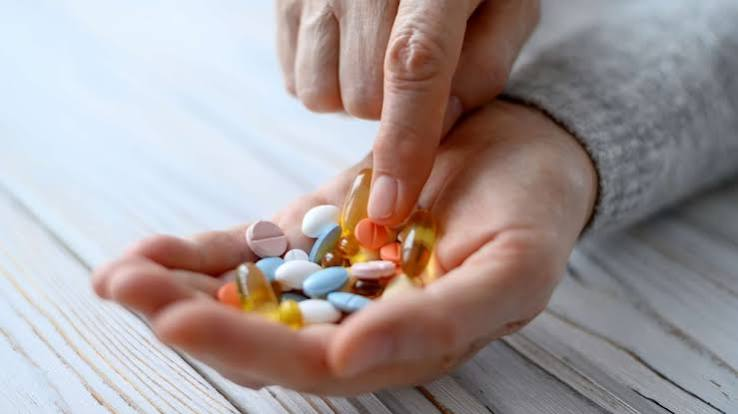
How the Aleniglipron GLP-1 Pill Works and Why It Matters
The GLP-1 approach is already well established through injectable drugs that have reshaped obesity and diabetes care in recent years. But most of those existing medications are peptide-based and must be injected, which can limit how easily they reach patients. The significance of aleniglipron lies in its chemistry. As a small-molecule drug that is chemically synthesised rather than biologically produced, it can be taken as a pill and, according to researchers, could potentially be manufactured, stored and distributed more easily at scale, and even combined with other medications.
The study enrolled 230 adults with obesity or overweight across 38 medical centres in the United States, with an average participant age of around 50. Participants were randomly assigned to receive one of three daily doses of the drug, gradually increased over time, or a placebo, over the 36-week trial period.
By the end of the trial, the results showed a clear separation between the drug and the placebo. Participants taking the medication achieved mean weight reductions of roughly 9.0 per cent, 10.7 per cent and 12.1 per cent across the three ascending dose groups, compared with just 0.5 per cent among those given a placebo. Researchers reported no apparent plateau in weight loss by the end of the study, suggesting the effect had not levelled off, and an ongoing extension of the study indicated continued weight loss beyond the initial period.
On safety, the researchers reported that side effects were mostly gastrointestinal and generally mild to moderate, tending to decline over time. Around one in ten participants discontinued treatment, and the study reported no cases of drug-induced liver injury, findings the authors said support moving the drug into larger phase 3 trials.
Why the Results Come With Important Caveats
It is important to keep the stage of this research in perspective. Aleniglipron is still experimental and remains in development. It has not been approved by regulators such as the US Food and Drug Administration, and phase 2 trials, while encouraging, are an intermediate step. Larger and longer phase 3 studies are typically needed to confirm both effectiveness and safety before any medication can reach the market.
Still, the results add to growing interest in oral GLP-1 treatments, which many see as a potential way to widen access to therapies that have so far largely required injections. The researchers behind the trial framed the data as a foundation for further evaluation rather than a finished product, and the drug’s developers have reported additional data from related studies pointing in a similar direction.
Decisions about weight, health and medication are highly individual, and anyone considering their options should speak with a qualified doctor, who can offer guidance based on their personal circumstances and medical history.
Follow us for more updates and news!