


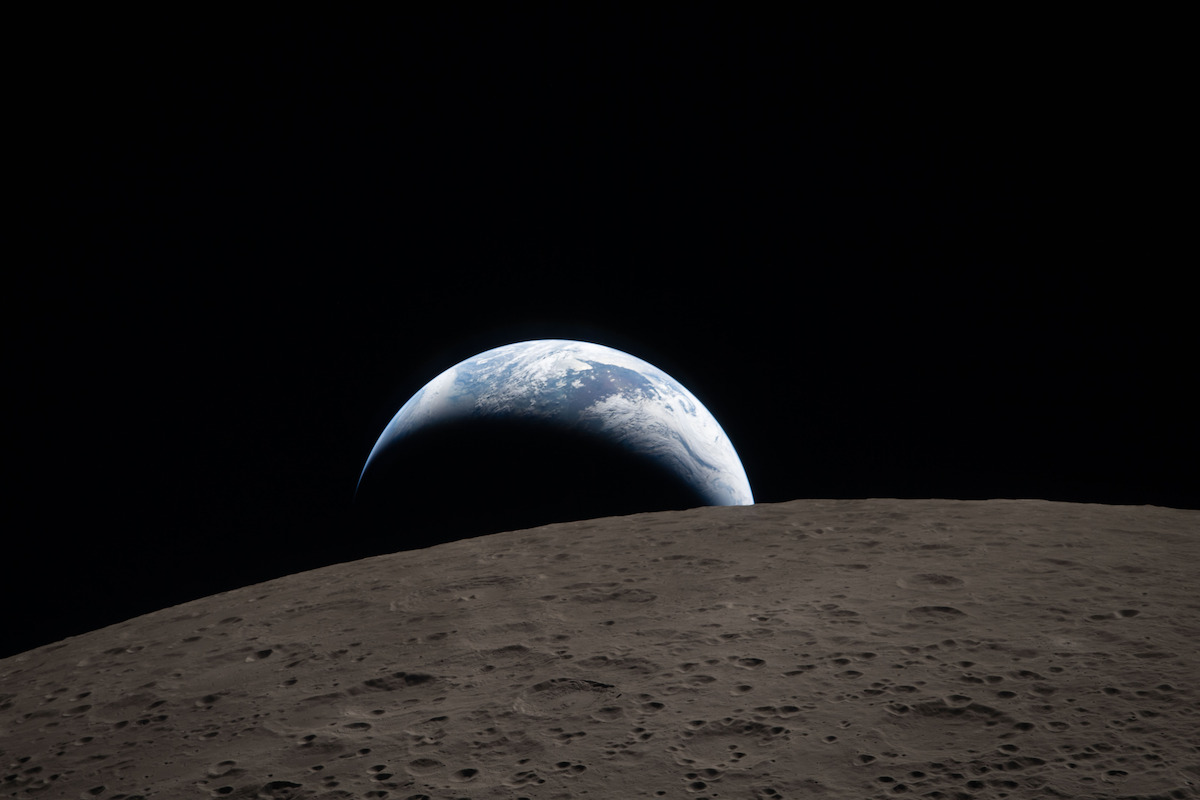

Netflix’s decision to stream key moments of NASA’s Artemis II mission marks a notable development in how space exploration is distributed and consumed globally. The Artemis II mission, part of NASA’s broader Artemis program, is the first crewed lunar mission in more than five decades, following the Apollo era. By bringing portions of this mission to a mainstream streaming platform, access to space-related events has expanded beyond traditional government channels and specialized broadcasts.
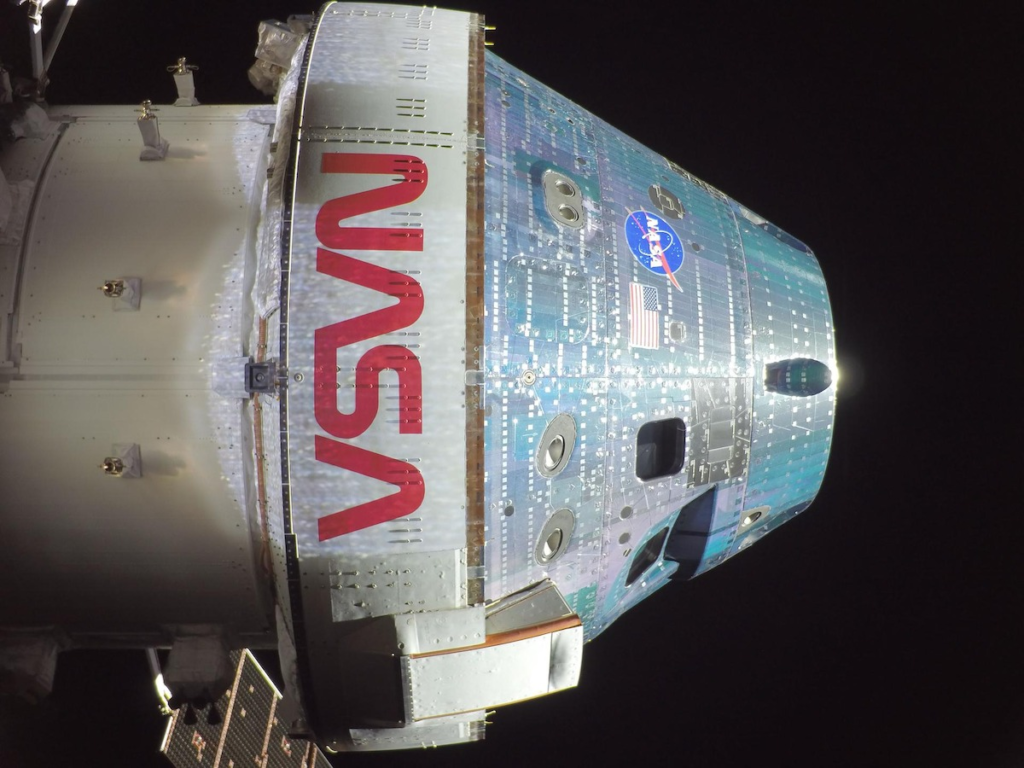
Artemis II is designed as a crewed test flight of NASA’s Space Launch System (SLS) rocket and the Orion spacecraft. Unlike Artemis I, which was an uncrewed mission, Artemis II carries astronauts on a trajectory that takes them around the Moon and back to Earth. The mission aims to test critical life-support systems, onboard operations, and crew performance in deep space conditions. It is a foundational step toward future missions, including Artemis III, which is expected to attempt a crewed lunar landing.
Shift From Traditional Broadcast to Streaming Platforms
Historically, space missions have been broadcast through official platforms such as NASA TV, agency websites, and select news networks. These broadcasts, while publicly accessible, have typically attracted audiences already interested in science, space, or engineering. Netflix’s involvement introduces a different distribution model. With a subscriber base spanning over 190 countries, the platform provides access to a significantly broader and more diverse audience.
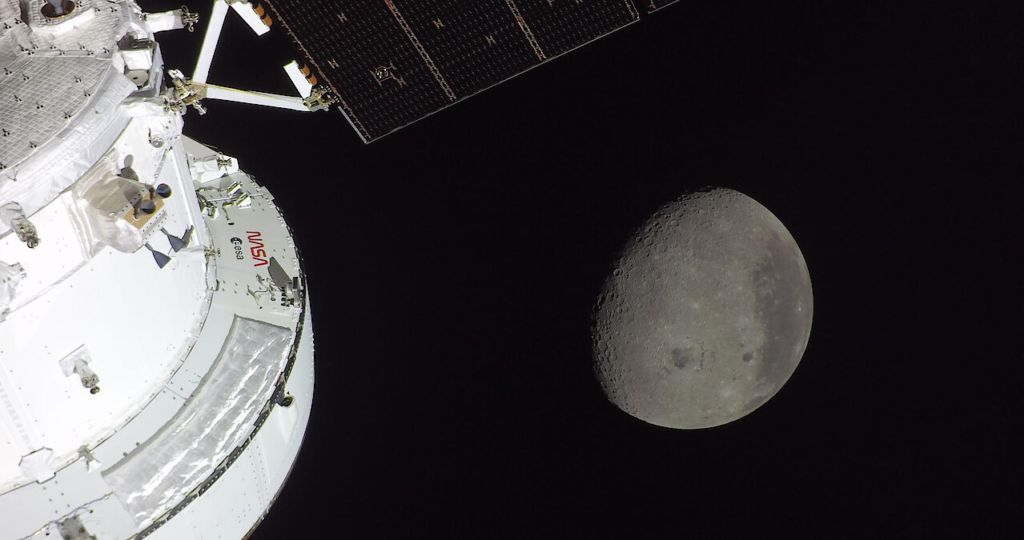
The streaming of Artemis II content on Netflix focused on key mission milestones, including the lunar flyby phase. This segment of the mission is considered one of its most visually and operationally significant stages, as the spacecraft travels thousands of miles beyond the Moon before returning to Earth. By broadcasting this phase, the platform delivered high-resolution visuals and real-time updates to millions of viewers worldwide.
Expanding Global Access to Space Events
This approach reflects a broader shift in how live events are distributed. Streaming platforms have increasingly incorporated real-time programming, including sports events, live shows, and global broadcasts. The inclusion of a space mission within this category demonstrates an expansion of content types traditionally associated with live streaming. It also aligns with efforts by space agencies to increase public engagement and transparency.
The Artemis II stream also coincides with renewed global interest in lunar exploration. Multiple space agencies and private companies are actively developing lunar missions, technologies, and infrastructure. NASA’s Artemis program, in particular, aims to establish a sustainable human presence on the Moon, with long-term goals that include missions to Mars. Public engagement plays a role in maintaining support for these initiatives, and broader accessibility contributes to that engagement.
Features of Streaming Enhance Viewer Experience
In addition to its reach, Netflix provides features that differ from traditional broadcasts. These include multi-device accessibility, on-demand viewing options for recorded segments, and integration with global content libraries. Such features allow users to engage with mission content at their convenience, rather than being limited to scheduled broadcasts.
The collaboration between a space agency and a major streaming service also reflects evolving communication strategies. Space missions involve significant public investment, and agencies have increasingly emphasized the importance of outreach and education. By leveraging widely used digital platforms, mission coverage can reach audiences that may not actively seek out scientific programming.
Complementing, Not Replacing, Official Channels
Artemis II’s presence on Netflix does not replace existing broadcast methods but complements them. NASA and other organizations continue to provide official live streams, technical briefings, and detailed mission data through their own channels. However, the addition of a global entertainment platform introduces an alternative entry point for audiences who may encounter space content alongside other forms of media.
A Milestone Mission With Broader Visibility
The mission itself remains a technical and operational milestone. The Orion spacecraft’s systems, including navigation, communication, and life support, are being tested in conditions beyond low Earth orbit. The crew’s performance and the data collected during the mission will inform subsequent Artemis flights. These objectives are central to the mission’s purpose, regardless of how it is broadcast.
By streaming Artemis II, Netflix has contributed to expanding the visibility of a major space mission. The move reflects changes in both media distribution and public engagement strategies, as well as the increasing intersection of science, technology, and global digital platforms.