
Why Dietitians Call Peanuts a ‘Nutritional Powerhouse’: Benefits and Facts Explained
Peanuts are considered a nutritional powerhouse due to their protein, healthy fats, and essential nutrients, but their calorie density makes portion control important.
Mar 17, 2026
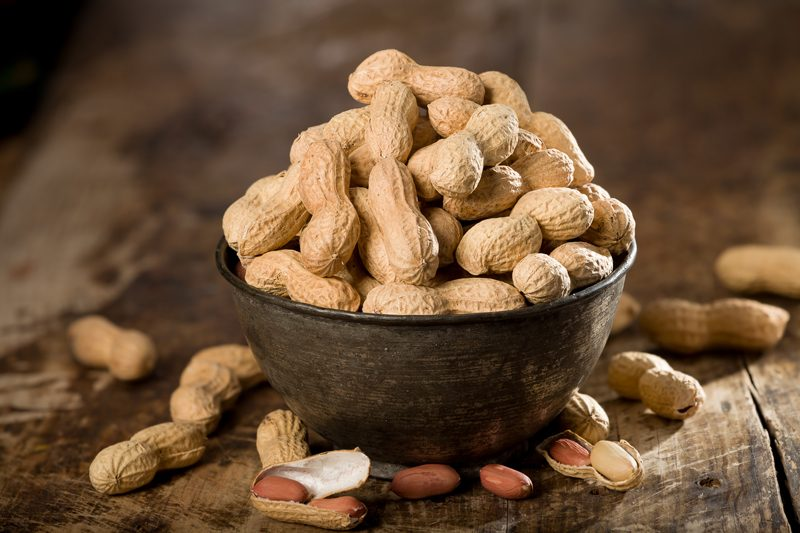
Peanuts are widely recognized in nutrition science as a nutrient-dense food due to their combination of macronutrients and essential micronutrients. Dietitians frequently describe them as a “nutritional powerhouse” because they provide a balance of protein, healthy fats, and dietary fiber in a single, accessible food source. At the same time, their energy density requires careful portion control to align with specific dietary goals.
Peanuts are technically legumes, but their nutritional profile closely resembles that of tree nuts. A standard serving size is approximately 28 grams (about a small handful). According to data from the United States Department of Agriculture (USDA), this serving contains roughly 160–170 calories, 7 grams of protein, 14 grams of fat, and around 2–3 grams of fiber. The fat content is primarily composed of monounsaturated and polyunsaturated fats, which are associated with cardiovascular health.
Protein and Satiety Benefits
Protein is one of the key reasons peanuts are valued in dietary planning. With approximately 7 grams of protein per serving, peanuts can contribute meaningfully to daily protein intake, particularly in plant-based diets. Protein plays a role in maintaining muscle mass, supporting metabolic processes, and promoting satiety.
The combination of protein and fat in peanuts slows digestion, which can help regulate hunger and reduce the likelihood of frequent snacking. This effect is relevant in structured meal planning and dietary strategies aimed at maintaining consistent energy intake throughout the day.
Essential Vitamins and Minerals
In addition to macronutrients, peanuts provide a range of vitamins and minerals that support various bodily functions. They are a notable source of niacin (vitamin B3), which is involved in energy production and nervous system function. Peanuts also contain magnesium, phosphorus, and potassium, minerals that contribute to muscle contraction, bone health, and fluid balance.
Vitamin E is another important component found in peanuts. As an antioxidant, it helps protect cells from oxidative stress, which has been linked to chronic conditions such as cardiovascular disease.
Fiber and Blood Sugar Regulation
The dietary fiber present in peanuts contributes to digestive health and plays a role in stabilizing blood sugar levels. Fiber slows the absorption of carbohydrates, which can help prevent rapid increases in blood glucose after eating.
This property makes peanuts a relevant food choice in dietary patterns aimed at improving glycemic control. The combination of fiber, protein, and fat further enhances this effect by promoting slower digestion and more gradual nutrient absorption.
Calorie Density and Portion Control
Despite their nutritional benefits, peanuts are energy-dense. The relatively high calorie and fat content means that portion size is an important factor in their consumption. While they can be included in balanced diets, consuming large quantities may lead to an increase in overall caloric intake. Research indicates that moderate consumption of nuts, including peanuts, can fit within dietary guidelines. However, individuals with specific dietary goals, such as weight management, may need to monitor serving sizes more closely.
Peanut Butter: A Common Alternative

Peanut butter is one of the most common ways to consume peanuts and retains many of their nutritional properties, including protein and healthy fats. However, the nutritional quality of peanut butter depends on its ingredients. Many commercially available peanut butter products contain added sugars, hydrogenated oils, or palm oil. These additions can alter the nutritional profile and increase the intake of unnecessary ingredients. Products labeled as “natural” may still contain such additives, making it important to examine ingredient lists carefully.
Dietitians recommend choosing peanut butter that contains only peanuts or peanuts with a small amount of salt. Reviewing the ingredient label is considered a more reliable method of assessing product quality than relying on marketing terms on the packaging.
Food Safety and Mold Concerns
Peanuts can sometimes be associated with aflatoxins, which are compounds produced by certain molds. High levels of aflatoxin exposure can pose health risks. However, in countries with strict food safety regulations, peanuts are routinely tested to ensure they meet safety standards. As a result, the risk of contamination in regulated markets is generally low. In contrast, peanuts grown or stored under less controlled conditions may carry a higher risk if proper monitoring and storage practices are not followed.
Versatility and Accessibility
Peanuts are widely available and can be incorporated into a variety of meals and snacks. They can be eaten on their own, added to dishes such as salads and stir-fries, or consumed in the form of spreads like peanut butter. Their relatively low cost compared to many other protein sources contributes to their accessibility and widespread use in different dietary patterns across the world.
Peanuts are considered a “nutritional powerhouse” due to their dense concentration of protein, healthy fats, fiber, vitamins, and minerals. These components support multiple aspects of health, including metabolism, cardiovascular function, and digestion.
However, their high calorie content and the variability in processed forms such as peanut butter highlight the importance of moderation and informed product selection. When consumed in appropriate portions and in minimally processed forms, peanuts can serve as a valuable addition to a balanced diet.