Pumpkin Seed Oil for Hair Loss, Latest Research
Studies suggest pumpkin seed oil may help prevent hair loss and promote growth. Read more below.
Mar 23, 2026
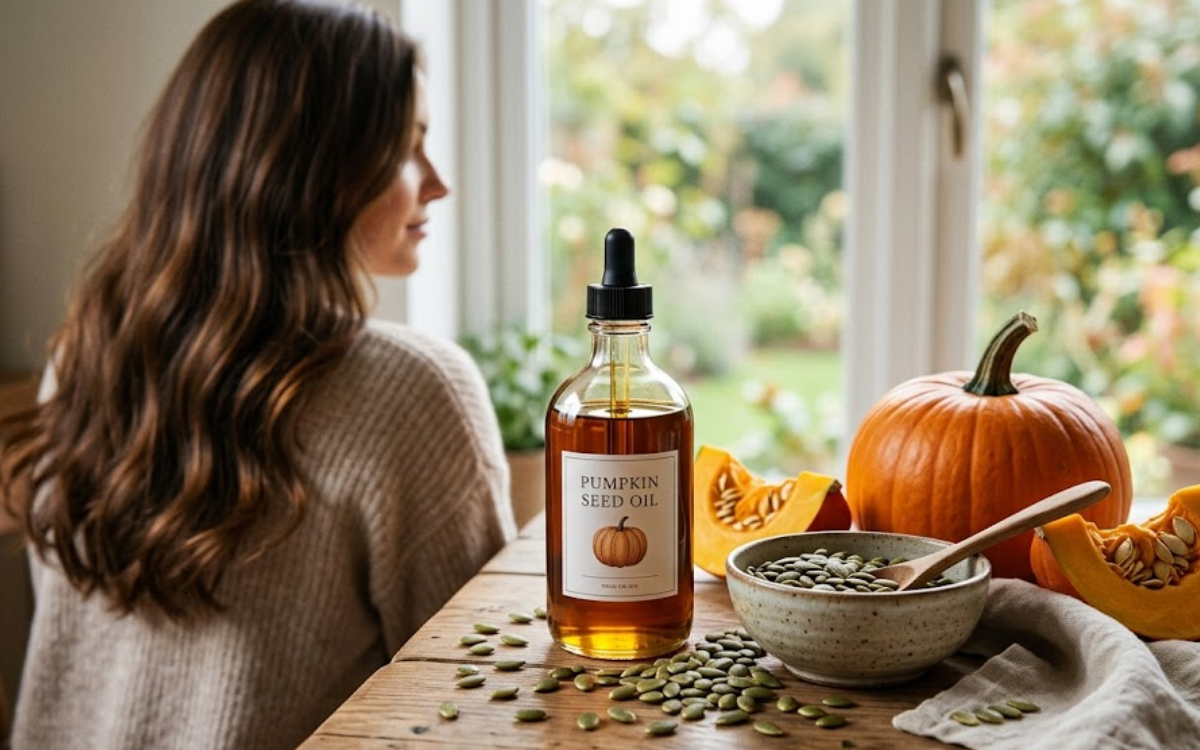
Pumpkin seed oil has been building a reputation in hair care, and the science behind it is more substantial than most natural remedies can claim. Research suggests this nutrient-rich oil may help slow hair loss and support new growth by targeting one of the main biological drivers of the problem.
Pumpkin seed oil is extracted from the seeds of Cucurbita pepo, a variety of pumpkin. It contains phytosterols, vitamin E, omega-3 fatty acids, linoleic acid, zinc, and magnesium. Dermatologist Wilma Bergfeld, MD, of the Cleveland Clinic describes the oil as an antioxidant and anti-inflammatory with properties that are potentially beneficial for hair health.
Most common hair loss, known as androgenetic alopecia or pattern baldness, is driven by a hormone called dihydrotestosterone, or DHT. DHT is produced when an enzyme called 5-alpha reductase converts testosterone. High DHT levels in the scalp cause hair follicles to shrink progressively, producing thinner and shorter hair with each growth cycle until the follicle eventually stops producing visible hair altogether.
The phytosterols in pumpkin seed oil, including beta-sitosterol, appear to inhibit 5-alpha reductase activity. By competing for the enzyme's binding sites, they slow the conversion of testosterone into DHT, helping preserve follicle health over time.
Pumpkin Seed Oil Hair Loss Studies and Clinical Findings
The most cited human study on pumpkin seed oil and hair loss was a randomized, double-blind, placebo-controlled trial published in Evidence-Based Complementary and Alternative Medicine. Researchers gave 76 men with mild to moderate androgenetic alopecia either 400mg of pumpkin seed oil daily or a placebo for 24 weeks. Men in the pumpkin seed oil group saw a 40% increase in hair count, compared to just 10% in the placebo group.
A separate study published in the Journal of Cosmetic Dermatology in 2021 compared topical pumpkin seed oil against minoxidil 5% foam in women with female pattern hair loss over three months. The pumpkin seed oil group showed significant improvements in hair shaft diversity and a reduction in fine vellus hairs, with results comparable to minoxidil and fewer reported side effects.
Animal studies have also found that a 10% topical pumpkin seed oil solution increased the number of hair follicles in the active growth phase, with results comparable to minoxidil.
Dr. Bergfeld places pumpkin seed oil supplements in category two out of four in terms of evidence strength, meaning it has been tested in relatively large-scale studies and shown useful results without damaging effects. Category one is reserved for fully approved medications with extensive clinical trials.
FDA-approved hair loss treatments include finasteride and minoxidil. Finasteride works through the same 5-alpha reductase mechanism as pumpkin seed oil, but carries known side effects including decreased libido, reduced ejaculate volume, and erectile dysfunction. Studies show only around 30% of patients continue finasteride beyond a year, partly due to those side effects. Pumpkin seed oil has not been shown to carry the same risks.
Pumpkin Seed Oil for Hair Growth: Limitations of Current Research
The evidence for pumpkin seed oil and hair growth comes with limitations. The key human trial involved only 76 men, and no large-scale follow-up studies have replicated the findings. Most research has focused on men, meaning women considering pumpkin seed oil for hair loss have less data specific to their situation.
Long-term safety data also remains limited. Pumpkin seed oil is generally well-tolerated, with oral supplements occasionally causing mild digestive upset. No significant adverse effects have been reported in trials to date.
Pumpkin seed oil is available as an oral supplement, a topical oil, and as a dietary ingredient in whole seed form. The human trial showing a 40% increase in hair count used an oral dose of 400mg daily over 24 weeks.