
How to Overcome Childhood Trauma: What the Research Says
A new study confirms early adversity leaves a mark on the body. The good news is healing is possible.
Mar 16, 2026
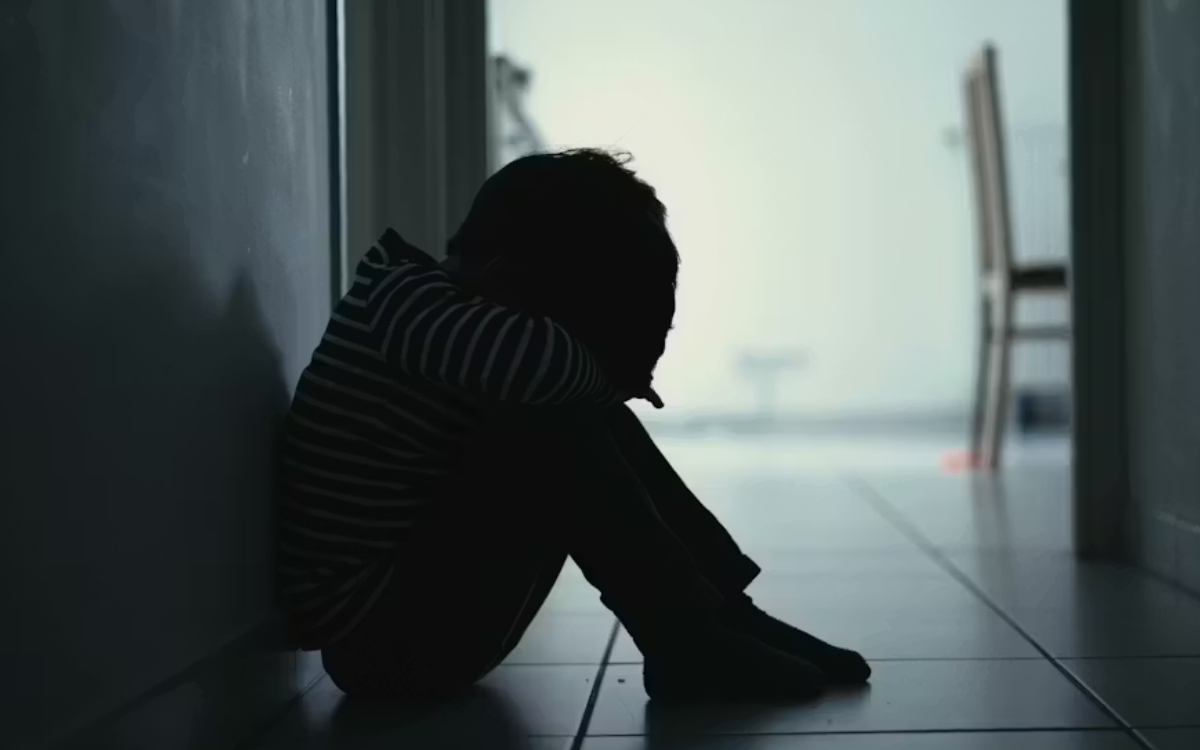
Have you ever experienced a feeling of discomfort visiting an old place, hearing someone shout even when you are not part of the conversation, or maybe just a random thought that surfaces out of nowhere and refuses to leave? An emotion you cannot place right away, and that feels like the exact opposite of nostalgia.
Sometimes the feeling is so intense that it leaves you overwhelmed for the rest of the day. Your mind is in a constant battle of trying to remember and trying to forget until it finally hits you: the memory you buried long ago feels like only yesterday.
A lot of people grow up in homes where things were not okay. A parent who left. Abuse that was never spoken about. A household held together by fear or addiction or silence. And then years later, the body keeps the score in ways nobody warned you about.
A study published this month in Brain, Behavior, and Immunity tracked over 3,700 adolescents in Portugal and found that children exposed to adverse childhood experiences by age 10 showed measurable signs of physiological stress by age 13. Parental separation, household substance abuse, and school difficulties were among the experiences most strongly linked to elevated stress markers. The metabolic and immune systems showed the strongest response. The more adversity accumulated, the higher the biological toll.
In other words, childhood trauma does not just shape how you think or feel. It changes how your body functions. And that matters when it comes to figuring out how to heal.
5 Ways to Overcome Childhood Trauma
1. Trauma-Focused Therapy
Therapy is the most well-researched starting point. Trauma-focused cognitive behavioral therapy, known as TF-CBT, helps people process and reframe the beliefs formed during adverse experiences. EMDR, or eye movement desensitization and reprocessing, works directly with how traumatic memories are stored in the nervous system and has strong clinical evidence behind it. Both approaches go further than simply talking about what happened. They work with the body's stress response directly, which is exactly where the damage shows up.
2. Building Safe Relationships
Research consistently identifies stable, trustworthy relationships as one of the strongest protective factors against the long-term effects of childhood trauma. For adults, this means actively building connections with people who are reliable and safe, whether that is a therapist, a close friend, a partner, or a mentor. The nervous system learns safety through repeated experience of it. One good relationship can begin to shift what years of instability conditioned the body to expect.
3. Body-Based Practices
Because trauma registers physically, approaches that work through the body can reach what talk-based methods sometimes cannot. Yoga, somatic therapy, and breathwork all have research backing their role in reducing physiological stress and calming an overactive nervous system. Even sustained physical movement like walking or swimming helps regulate the body's stress response over time. The goal is not fitness. It is teaching the body that it is no longer in danger.
4. Mindfulness and Nervous System Regulation
Mindfulness-based stress reduction, or MBSR, has a strong evidence base for reducing the kind of chronic stress the Portuguese study measured. Practices that slow the breath and anchor attention to the present moment help interrupt the activation cycle that keeps the body in a state of low-level alert. These are skills, not personality traits. They can be learned gradually and built into daily life without requiring significant time or money.
5. Reducing Ongoing Stressors
The study found that adversity between ages 10 and 13 amplified the biological effects of earlier trauma. The same pattern applies across adulthood. Chronic stress from unstable housing, financial pressure, or unsafe relationships keeps reactivating the original wound. Where it is possible to reduce ongoing stressors, doing so directly lowers the body's burden. This is not about eliminating all difficulty. It is about removing unnecessary pressure so the body has space to recover.
To Each Their Own
Everyone's history is different, and so is everyone's way through it. What works for one person may not work for another. Some people heal through therapy. Others through community, movement, faith, or creative work. The research points to directions, not prescriptions.
What the science is clear on is this: healing is biological as well as emotional. The body that learned to carry stress can also learn to release it. And starting, at any point in life, is worth it.