President Donald Trump announced Thursday that the ceasefire between Israel and Lebanon will be extended by three weeks, following a second round of talks at the White House with senior US officials and ambassadors from both countries.
The initial 10-day ceasefire, which had been set to expire Sunday, was brokered last week in what marked the first high-level contact between Israel and Lebanon in decades. Lebanon had requested the extension. Trump confirmed the outcome on Truth Social, writing that the meeting went very well and that the US would work with Lebanon to help it protect itself from Hezbollah.
The Oval Office meeting included Vice President JD Vance, Secretary of State Marco Rubio, US Ambassador to Israel Mike Huckabee, and US Ambassador to Lebanon Michel Issa. The talks were led by Rubio and State Department Counselor Michael Needham, with both countries represented by their ambassadors to the US.
Israel-Lebanon Ceasefire Talks: What Was Agreed at the White House
Trump told reporters after the meeting that he hopes to host Israeli Prime Minister Benjamin Netanyahu and Lebanese President Joseph Aoun at the White House during the three-week window. He also pledged that Washington would help Beirut protect itself from Hezbollah, and said Israel would have to defend itself if attacked during the ceasefire but must do so carefully.
The extension was welcomed by Lebanon, which is pushing for a full Israeli military withdrawal from the south of the country. Israeli forces are still occupying roughly 6% of Lebanese territory, and Lebanese officials have said a trilateral meeting is unlikely as long as those troops remain and strikes continue.
Hezbollah was not part of the talks. The Iran-backed militant group quickly dismissed the extended ceasefire, calling it meaningless. A senior Hezbollah official said it would not accept any deal emerging from the negotiations. Hours before Thursday’s White House meeting, Hezbollah fired rockets at northern Israeli villages, and the Israel Defense Forces struck the launchers in response.
Hezbollah Rockets and Israeli Strikes Continue Despite Ceasefire Extension
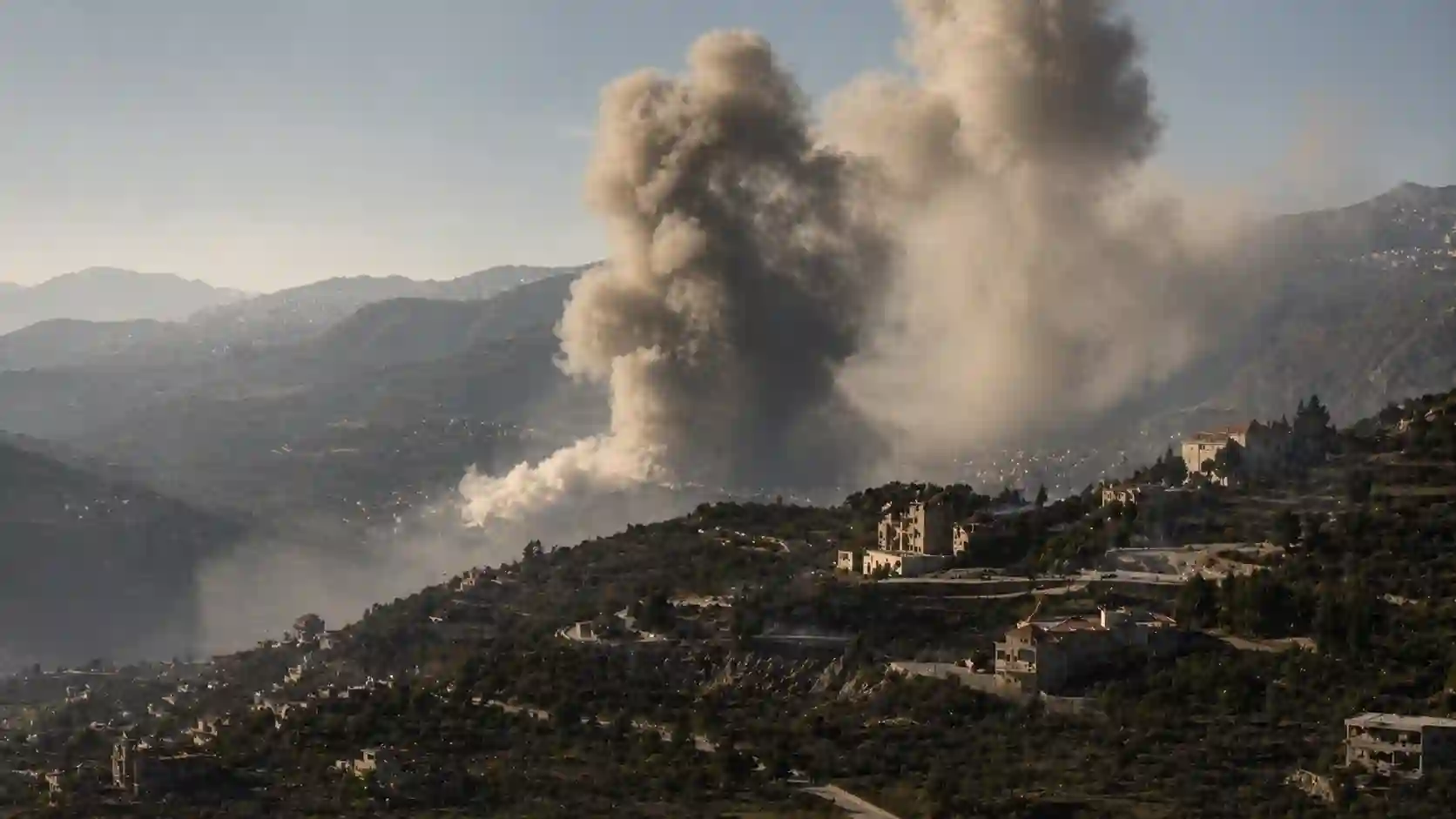
Despite the announcement, fighting did not stop. On Friday, Israeli strikes across southern Lebanon killed at least six people and injured two more, according to the Lebanese Health Ministry. The IDF said it targeted Hezbollah rocket launchers in the southern towns of Yater and Kafra that posed a threat to soldiers and civilians. Hezbollah said it struck an Israeli armored personnel carrier in Ramyah in response to Israel’s destruction of homes in the south.
Netanyahu has said Israel will continue striking any threat in Lebanon. The ceasefire terms allow Israel to take what are described as all necessary measures in self-defense.
The Lebanon ceasefire is tied to the broader US effort to manage a separate truce with Iran. Earlier this week, Trump extended a ceasefire with Iran indefinitely, hours before it was set to expire. Iran dismissed that extension as meaningless too, saying the continued US naval blockade on Iranian ports violates the agreement. Iranian negotiators say they will not return to the table until the blockade is lifted.
Tensions in the Strait of Hormuz are also rising. The US military seized a tanker carrying Iranian oil in the Indian Ocean Thursday, a day after Iran took control of two commercial ships in the strait. Brent crude was trading above $105 a barrel as the standoff disrupted shipping through one of the world’s most critical energy chokepoints.
The ceasefire extension gives diplomats more time to work toward a longer-term arrangement. But with Hezbollah refusing to recognize the deal and strikes continuing on both sides, the fragility of the truce is hard to ignore.