

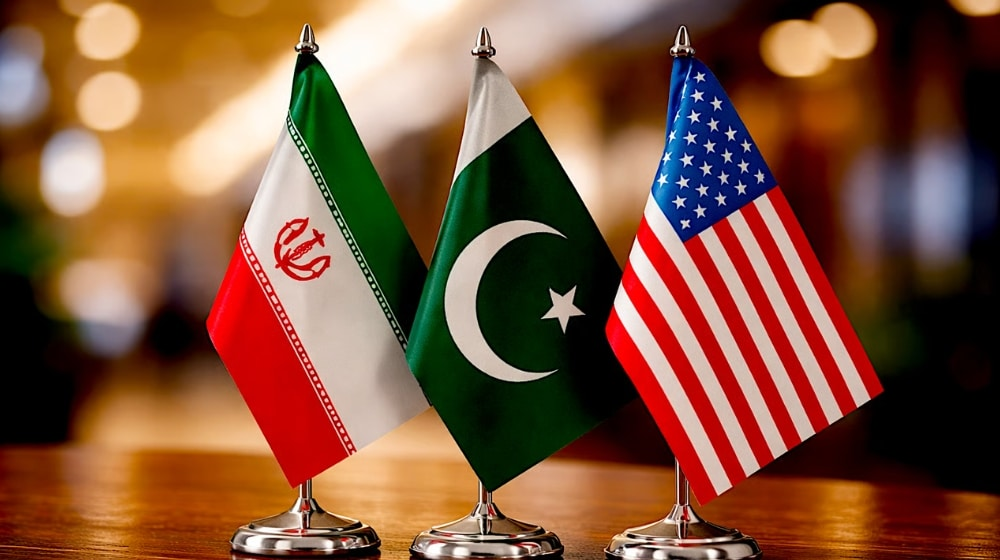
The United States and Iran have agreed to a two-week ceasefire, with face-to-face peace talks set to begin on Friday, April 10, in Islamabad. The breakthrough, brokered by Pakistan, came just 90 minutes before a deadline set by US President Donald Trump, who had earlier threatened devastating strikes on Iranian civilian infrastructure. These will be the first in-person US-Iran negotiations since the war began on February 28.
Pakistan’s Ceasefire Diplomacy Averts Major Escalation
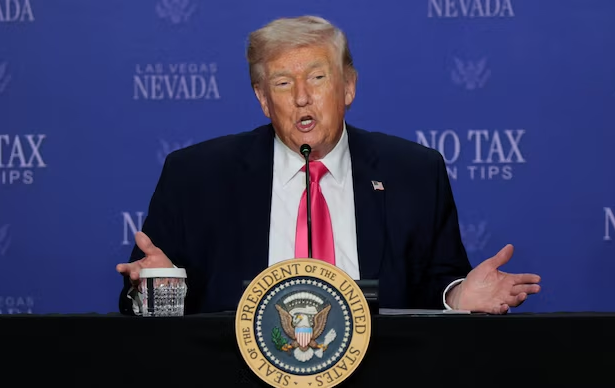
The deal marks a dramatic reversal from Trump’s earlier threat that “a whole civilization will die tonight” if Iran failed to reach a deal by his 8 pm ET Tuesday deadline. He had warned of massive strikes on bridges, power plants and water treatment facilities.
The ceasefire came together after intense behind-the-scenes mediation by Pakistani Prime Minister Shehbaz Sharif and Army Chief Field Marshal Asim Munir. Sharif proposed the two-week ceasefire framework earlier on Tuesday, publicly urging Trump to extend his deadline and requesting that Iran reopen the Strait of Hormuz as a goodwill gesture.
Trump credited his conversations with Sharif and Munir in his Truth Social announcement, saying they had asked him to hold off on the planned strikes. He said Washington had received a 10-point proposal from Iran that he described as a workable basis for negotiation, claiming nearly all past points of contention had been resolved.
Iranian Foreign Minister Abbas Araghchi confirmed Tehran’s acceptance shortly after, stating that Iran’s armed forces would cease defensive operations if attacks were halted. On the Strait of Hormuz, Araghchi said safe passage would be possible for two weeks through coordination with Iran’s military, though he referenced unspecified “technical limitations.” Iran’s Supreme National Security Council separately confirmed the ceasefire and hinted it could be extended if talks go well, while warning that Tehran’s military remains on standby.
Strait of Hormuz Reopening and Unresolved Demands
The Strait of Hormuz has been at the heart of the crisis. Before the war, more than 100 ships a day passed through the waterway under a long-standing traffic system with no restrictions. Iran’s partial blockade since the conflict began has sent global oil prices soaring and disrupted energy supplies worldwide.
Iran’s reference to “technical limitations” in its reopening commitment has raised questions about whether Tehran plans to fully restore shipping access or allow only selective, monitored passage during the ceasefire window.
Significant gaps also remain on broader terms. Among Iran’s demands are the easing of US sanctions, compensation for war damages and the withdrawal of American combat forces from all bases in the region. The US has maintained a major military footprint across the Gulf for decades, making that demand especially contentious.
Israel has agreed to the temporary ceasefire and will suspend strikes on Iran, according to White House officials. However, Israel’s government said the truce does not extend to Lebanon, where military operations against Hezbollah continue.
Islamabad Talks: US-Iran Peace Negotiations Begin Friday
Vice President JD Vance is expected to lead the US delegation at the Islamabad talks, having built a working relationship with Field Marshal Munir through weeks of back-channel diplomacy. White House envoy Steve Witkoff, who has led the Iran diplomatic track throughout the war, may take a supporting role during the in-person round.
Sharif formally invited both delegations, expressing hope that the “Islamabad Talks” will produce a conclusive settlement. Pakistan has been central to mediation efforts since late March, when it first offered to host negotiations. On March 31, Pakistan and China jointly announced a five-point peace proposal calling for a ceasefire and restored navigation through the strait. A four-nation ministerial meeting in Islamabad involving Pakistan, Saudi Arabia, Turkiye and Egypt further bolstered the regional push for de-escalation.
Oil prices dropped sharply after the ceasefire announcement, with US crude falling roughly 8 percent to around $103 per barrel after trading as high as $117 earlier on Tuesday. Stock futures also surged as markets responded with cautious optimism.
The war has caused enormous economic and humanitarian strain across the Middle East and South Asia since it began with joint US-Israeli strikes on Iran in late February. Whether two weeks will be enough to bridge the deep distrust between Washington and Tehran is uncertain, but for now, the fighting has paused and diplomacy has a window to work.