



A look at popular houseplants known for supporting indoor air and lifting the mood at home.
Houseplants have become a fixture in homes around the world, and part of their appeal comes from the idea that they clean the air we breathe. That reputation traces back to a NASA study from 1989, when scientist Bill Wolverton sealed common houseplants inside test chambers and found they could remove pollutants such as formaldehyde, benzene, and trichloroethylene from the air.
The findings were real, and later research confirmed that plants can absorb some of these common indoor pollutants. It is worth knowing, though, how the study is often misread. The tests took place in small sealed chambers, and researchers have since pointed out that a typical home would need far more plants than most people own to match those results. In everyday spaces, opening windows and improving ventilation does most of the heavy lifting for air quality.
Even so, houseplants earn their place for reasons that are well supported. They add a modest amount of humidity to a room, since plants release water vapor as they photosynthesize. They soften and green a living space. And the mental health benefits are consistent across studies, with plant care linked to lower stress and a better mood, particularly during darker months.
The plants below are among the most popular choices for the home. Several featured in the original NASA research, and all of them are easy to keep, hardy, and pleasant to have around. One note before you start: if you share your home with cats or dogs, check each plant carefully, as some on this list are toxic to pets.
1. Snake Plant
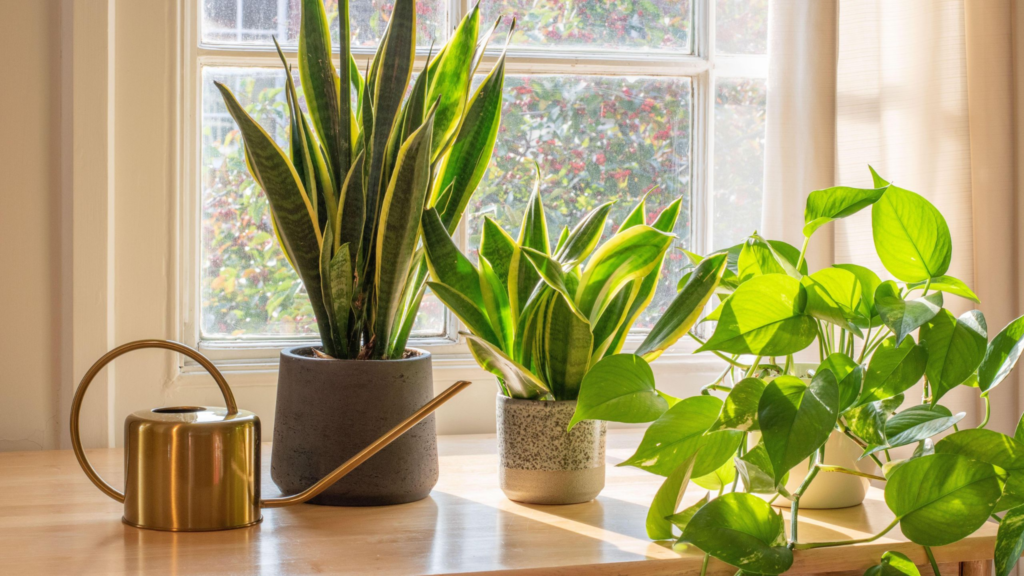
The snake plant, also known as mother-in-law’s tongue, is one of the most forgiving houseplants you can own. It tolerates low light, needs watering only occasionally, and thrives on neglect. It was among the plants NASA studied for removing pollutants, and it continues to be a favorite for bedrooms because it releases oxygen at night. Its tall, upright leaves also make it a striking corner piece. Note that it is toxic to cats and dogs if eaten.
2. Peace Lily
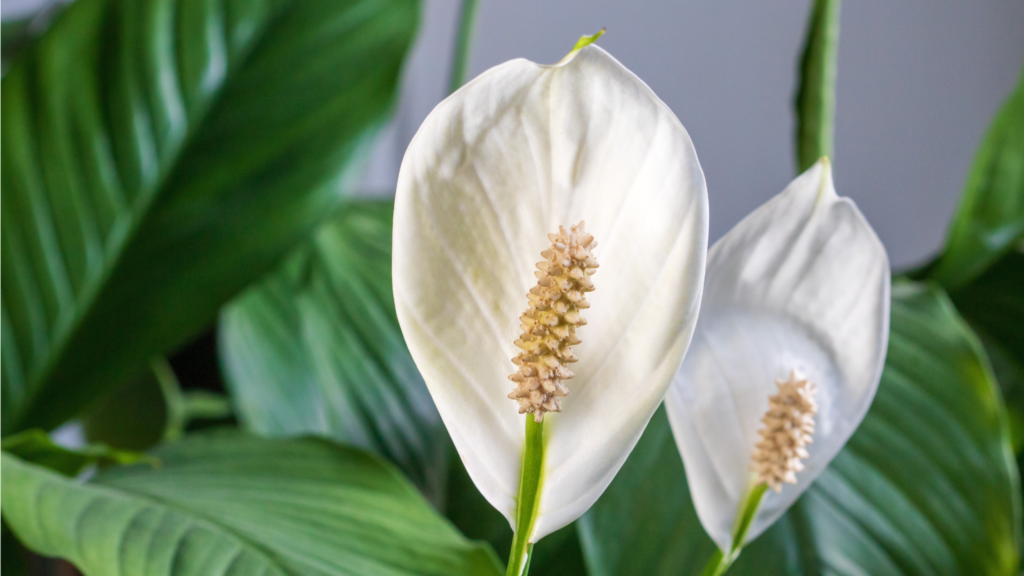
The peace lily is valued for both its glossy green leaves and its elegant white blooms. It featured in the NASA research and is often recommended for its ability to handle low light and higher humidity, which makes it well suited to bathrooms. It signals clearly when it needs water by drooping, then perks back up after a drink. The peace lily is toxic to pets and to humans if ingested, so it is best kept out of reach of children and animals.
3. Spider Plant
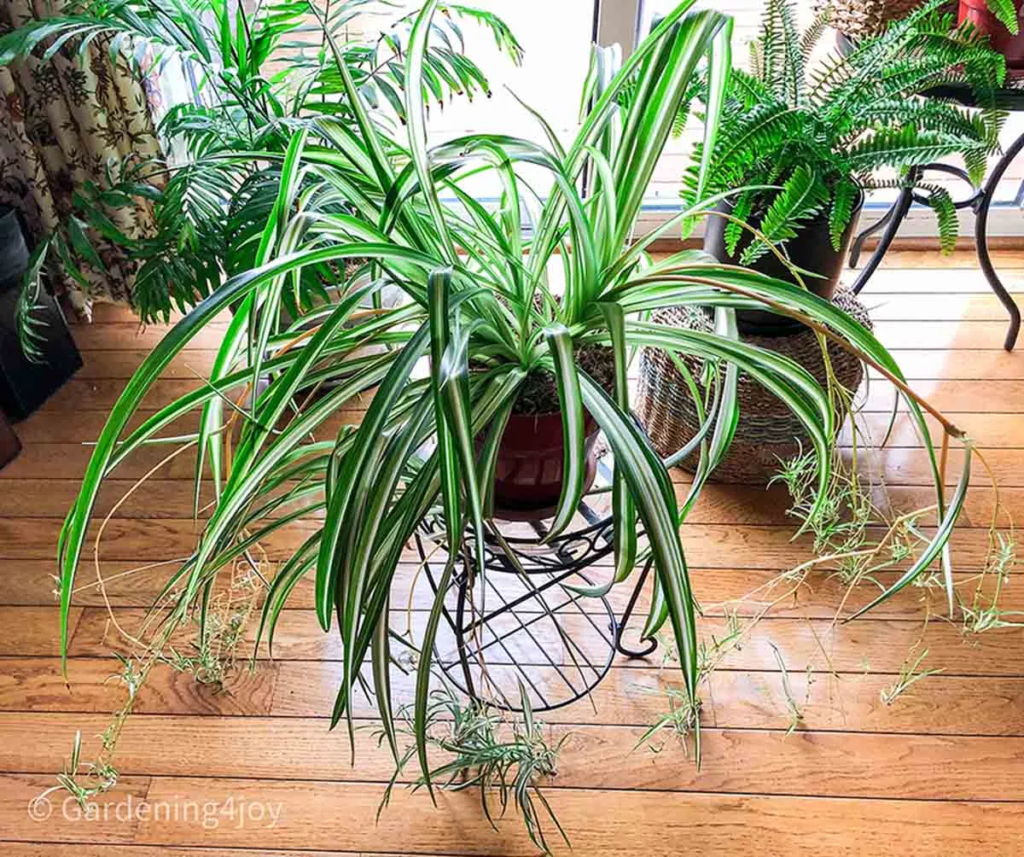
The spider plant is a reliable starter plant, quick to grow and hard to kill. It produces long, arching leaves and sends out small offshoots, or “spiderettes,” that can be repotted to grow new plants. It was one of the species tested by NASA and is popular in hanging baskets. It is also one of the safer choices for households with pets, as it is considered non-toxic to cats and dogs.
4. Pothos
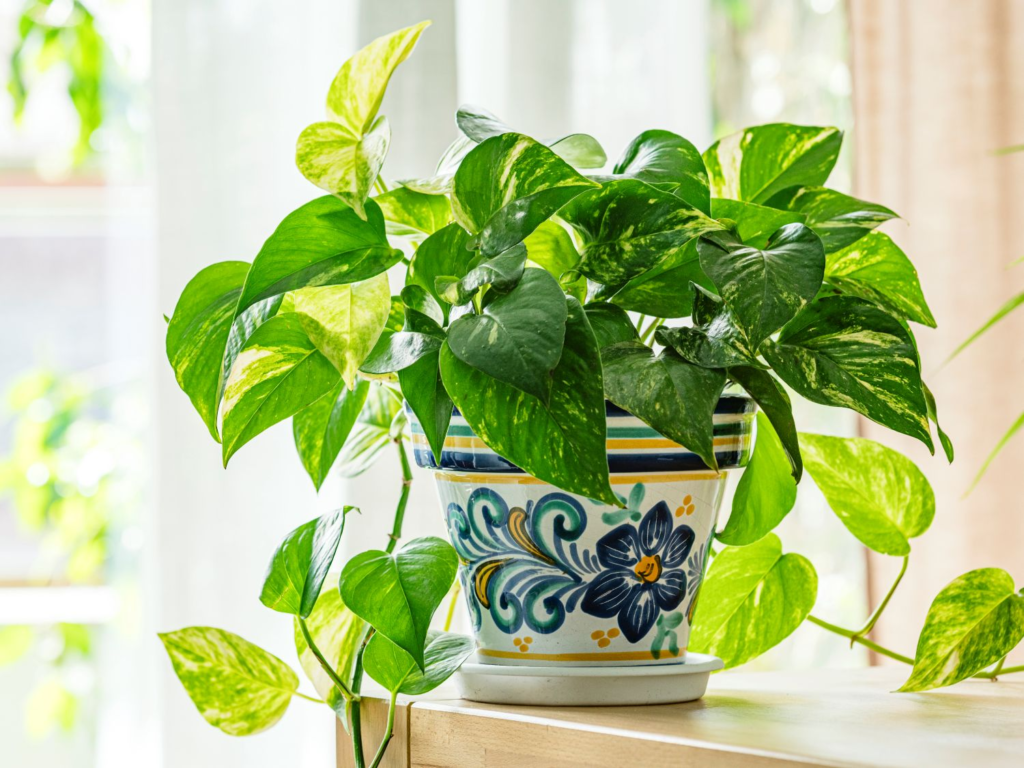
Pothos, sometimes called devil’s ivy, is a trailing vine that grows happily in a range of conditions, from bright rooms to dim corners. It is among the easiest plants to propagate, needing only a cutting in water to grow roots. Its cascading vines suit shelves and hanging pots. Pothos featured in air-quality research, but like several on this list, it is toxic to cats and dogs.
5. Aloe Vera
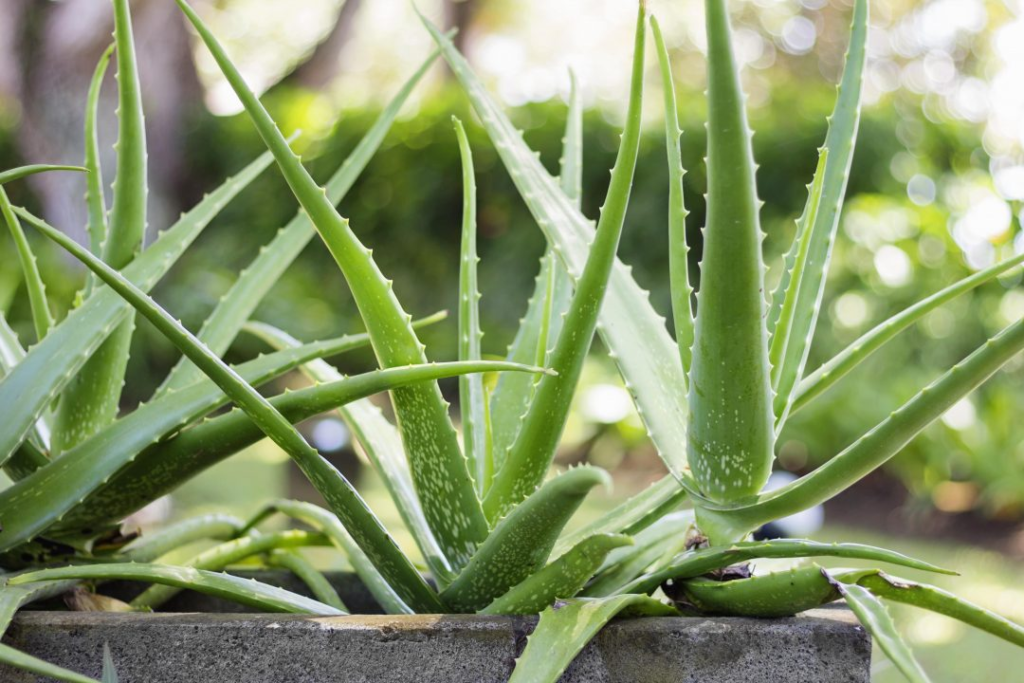
Aloe vera is a succulent that does double duty in the home. It needs bright light and little water, storing moisture in its thick leaves, and the gel inside those leaves has long been used to soothe minor burns and skin irritation. It suits a sunny kitchen windowsill. As with several others here, aloe is toxic to pets if eaten.
6. Bamboo Palm
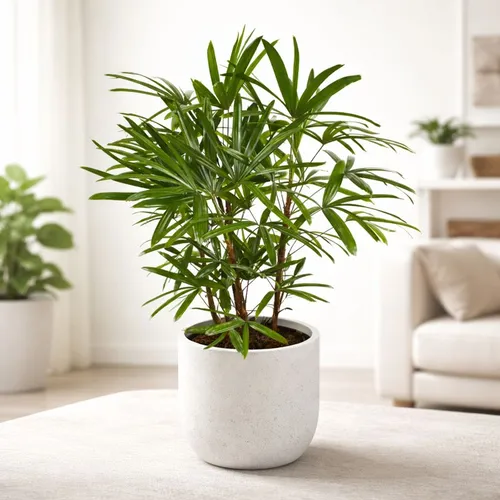
The bamboo palm brings a leafy, tropical feel to a room and was noted in the NASA study for its filtering qualities. It prefers indirect light and slightly moist soil, and it can grow into an impressive floor plant over time. It also adds gentle humidity to the air. For pet owners, the bamboo palm is a strong option, as it is considered non-toxic to cats and dogs.
Getting the Most From Your Houseplants
Houseplants are best thought of as one part of a healthy home rather than a replacement for fresh air. To keep indoor air genuinely clean, the most effective steps are simple: open windows regularly, reduce sources of pollution such as synthetic air fresheners and high-VOC paints, and keep any ventilation or air-conditioning filters clean.
Within that picture, plants make a real contribution to how a home feels. They bring greenery indoors, support a calmer state of mind, and reward a little care with steady growth. Chosen with your space and household in mind, including any pets, a few well-kept plants can make a home feel more comfortable and alive throughout the year.
Follow us for more interesting tips and updates!


