

Seven places across Lahore, Karachi and Peshawar where the events of the 1930s and 40s actually happened.
Pakistan’s founding history isn’t roped off. The buildings where the arguments were made, the votes were taken and the resolutions were signed are still standing, still in use, and in several cases you can walk into them on a Tuesday afternoon for the price of a parking ticket.
That accessibility comes with a strange side effect. When a place is that familiar, it stops registering as historic. Minar-e-Pakistan becomes the spot where your school bus dropped you off. The Sindh Assembly becomes a building you drive past on Court Road without looking up. Wazir Mansion becomes a name on a road sign in Kharadar.
So here are seven of them, with what actually happened inside. Some you have definitely been to. At least two you probably haven’t.
1. Minar-e-Pakistan, Lahore
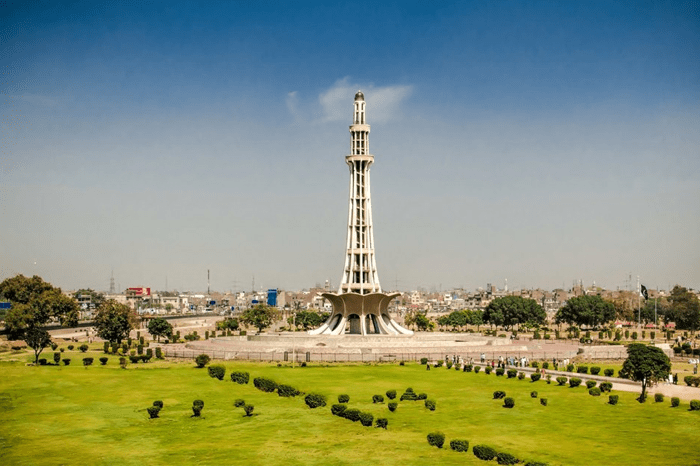
When you hear Minar-e-Pakistan, the first thing that comes to mind is probably a school trip. Or a family outing during the holidays. Or the place you end up at if you’re in Lahore for a vacation, or for anything else.
The park is busy all year. You go for an evening walk and you will bump into at least one child running full speed in the wrong direction, and honestly that’s part of the appeal. It’s a monument that people actually use.
Rewind to March 1940 and the scene is very different.
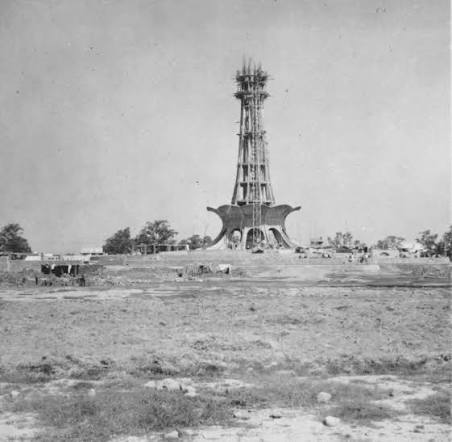
The grounds were called Minto Park then. The All India Muslim League held its annual session here from March 22 to 24, and on the second day the gathering adopted the resolution that would come to be known as the Lahore Resolution. It was moved by A.K. Fazlul Haq, then chief minister of Bengal, and seconded by leaders representing Punjab, Sindh, Balochistan, the North West Frontier Province and the United Provinces. It called for Muslim-majority regions in the northwest and northeast of British India to be constituted as independent states.
The tower came much later. The foundation stone was laid on March 23, 1960, by Akhter Husain, then governor of West Pakistan, and it took until 1968 to finish. The architect was Nasreddin Murat-Khan.
If you climb it, that’s 324 steps. The marble plaques at the base carry the text of the resolution in Urdu, Bengali and English, along with Quranic verses and lines from Iqbal, whose 1930 Allahabad address is generally read as the earliest clear articulation of the idea the League formalized ten years later. The park was renamed after him. Which is fitting, if you think about it.
2. Sindh Assembly Building, Karachi
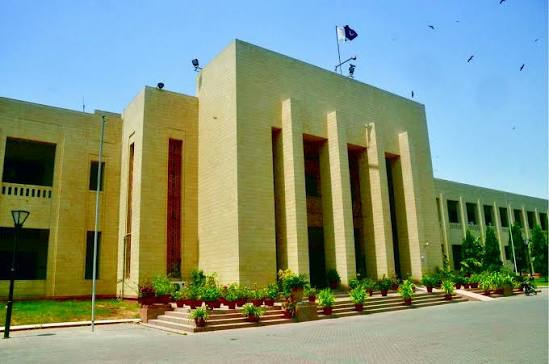
This one you have almost certainly driven past without a second glance.
Court Road, Saddar. A two-story Art Deco building that looks like a mid-century civic office because that is exactly what it is. There’s no monument outside. No ticketing booth. It’s a working government facility, currently housing the camp office of the Sindh chief minister and a stack of secretariat departments.
It is also, arguably, the most historically loaded building in the country.
On March 3, 1943, the Sindh Legislative Assembly passed a resolution in favor of the creation of Pakistan. It was the first legislature anywhere in British India to do so, three years before any other province followed. The resolution was presented by G.M. Syed.
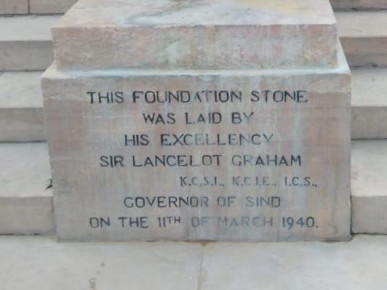
The timing is worth noting. Sir Lancelot Graham, then governor of Sindh, had laid the foundation stone on March 11, 1940, and the building was formally opened by Sir Hugh Dow on March 4, 1943. Which means the vote happened one day before the inauguration. The paint was barely dry.
It didn’t stop there. After 1947 the building housed the Constituent Assembly of Pakistan until 1956, then the National Assembly until 1958. Jinnah was sworn in here as the first Governor-General. And on August 11, 1947, Liaquat Ali Khan presented the national flag to the Constituent Assembly in this chamber, three days before independence.
3. Wazir Mansion, Kharadar, Karachi
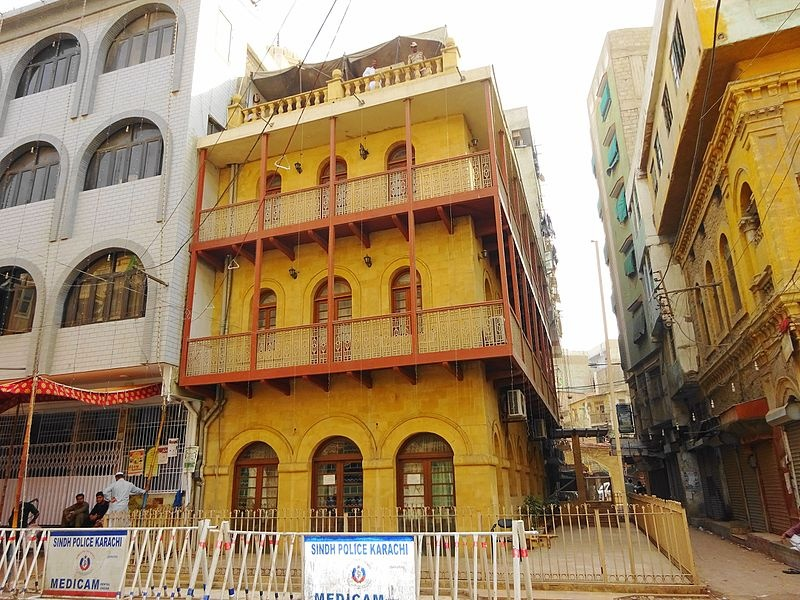
Narrow street, old city, three floors, easy to miss.
Jinnah was born here. The building was completed in 1866 and his father, Jinnahbhai Poonja, rented it in 1874 after moving to Karachi for business, buying it outright some three decades later.
It’s a federal museum now, restored in 2008 and administered by the Sindh government since 2011. Entry is free. The rooms are sparse, which is the point.
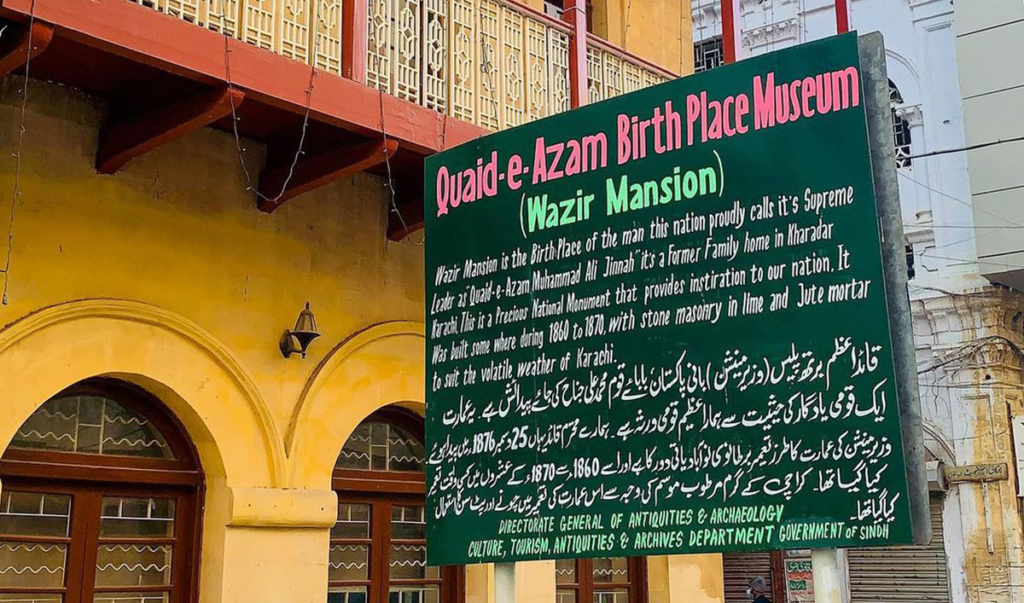
What makes the location interesting is the walk. Kharadar in the 1870s was a working merchant quarter, and much of that street grid is intact. You get a reasonably honest sense of the neighborhood a man grew up in before any of the rest of it happened.
4. Sindh Madressatul Islam, Karachi
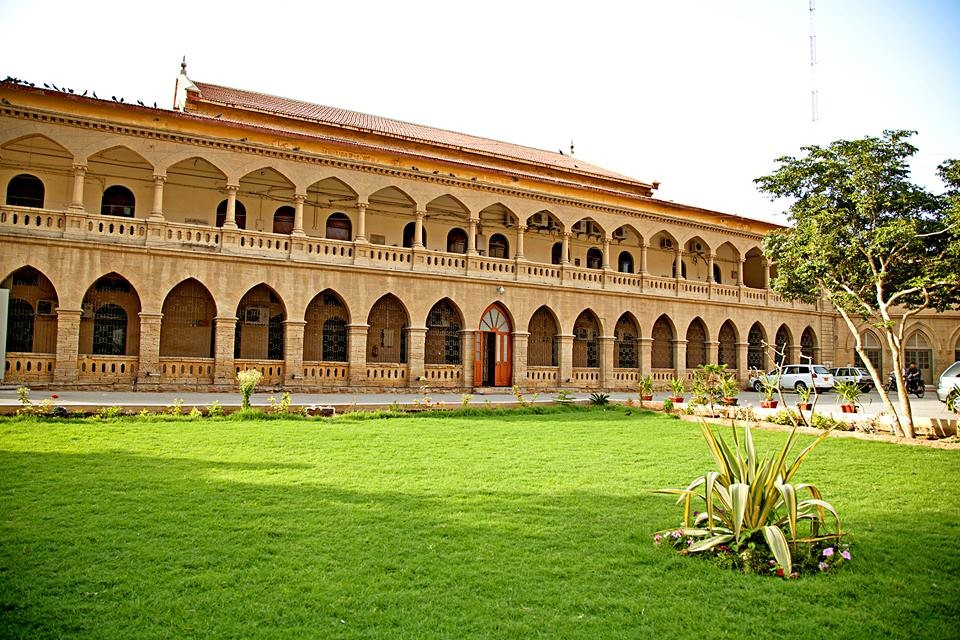
A short walk from Wazir Mansion. This was Jinnah’s school, and he was here longer than anywhere else in his education, from 1887 to 1892.
It was founded on September 1, 1885, by Khan Bahadur Hassanally Effendi, modeled on the Aligarh school. Jinnah kept the connection all his life. He presided over the ceremony that elevated it from secondary school to college status on June 21, 1943, and left it a third of his residuary estate in his will.
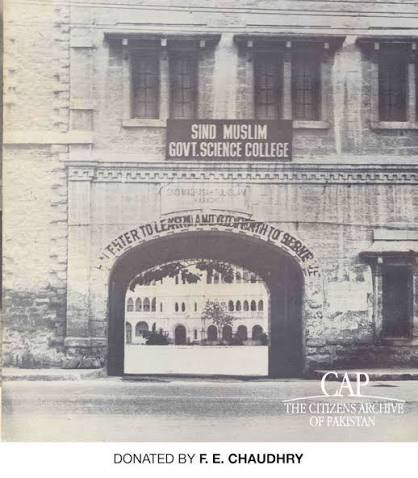
It’s a chartered university now. That continuity is the whole appeal. It isn’t preserved as a memorial. Students still show up for class in an institution that has been teaching for a hundred and forty years.
Worth pairing with Wazir Mansion in one morning, since they’re minutes apart.
5. Quaid-e-Azam House, Karachi
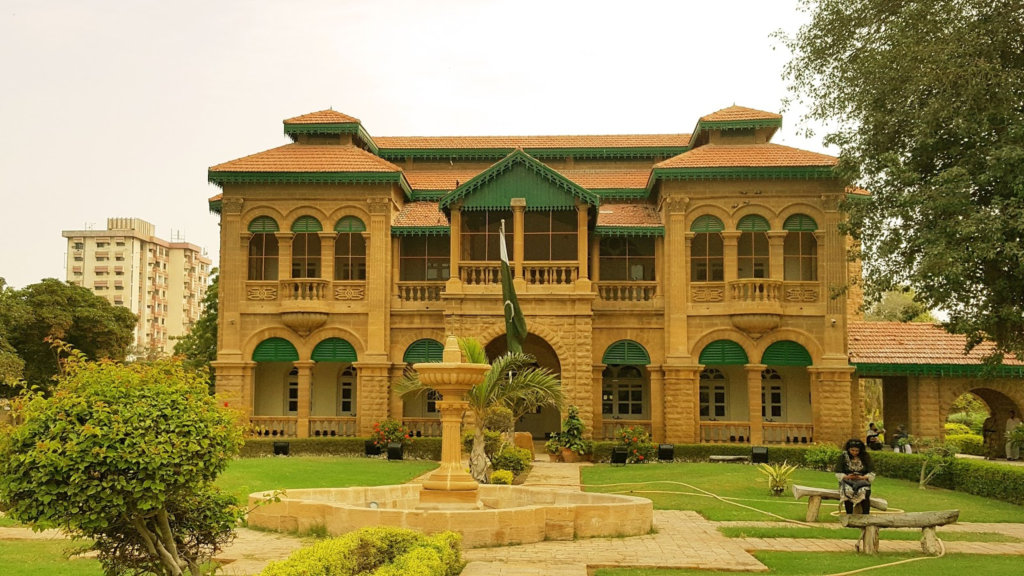
Also called Flagstaff House. Corner of Shahrah-e-Faisal and Fatima Jinnah Road, set back behind a garden.
Jinnah bought it in 1943 from a former mayor of Karachi and moved in the following year. He lived here through the closing stretch of the independence movement and the first year of the new state, until his death in 1948. Fatima Jinnah stayed on until 1964.
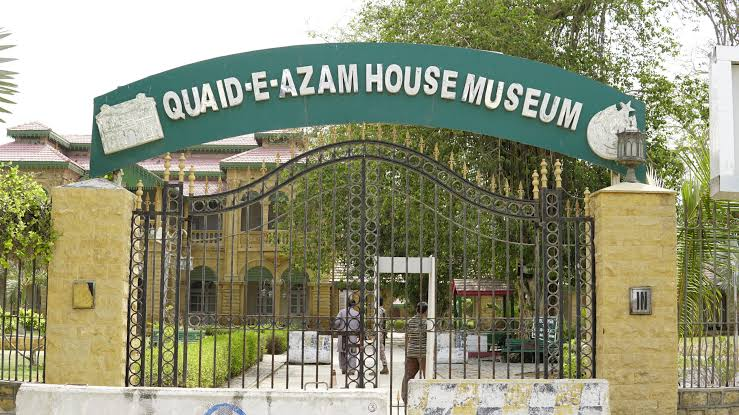
It opened as a museum in the mid-1980s. What’s inside is domestic rather than ceremonial: furniture, clothing, personal effects, the ordinary objects of a household. Upstairs, both bedrooms are preserved. It reads less like a national monument and more like someone’s home, which changes how the history lands.
6. Mohatta Palace, Clifton, Karachi
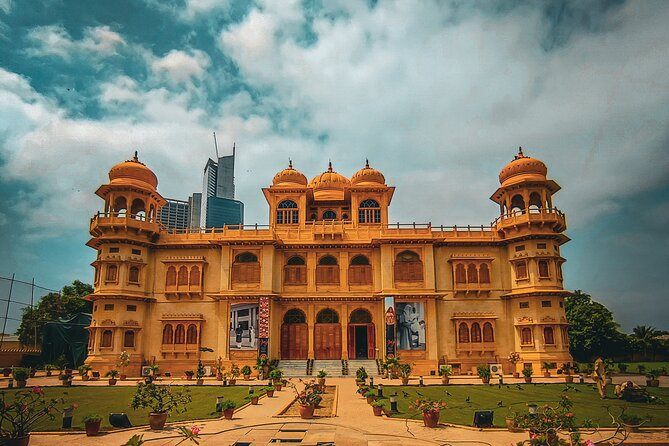
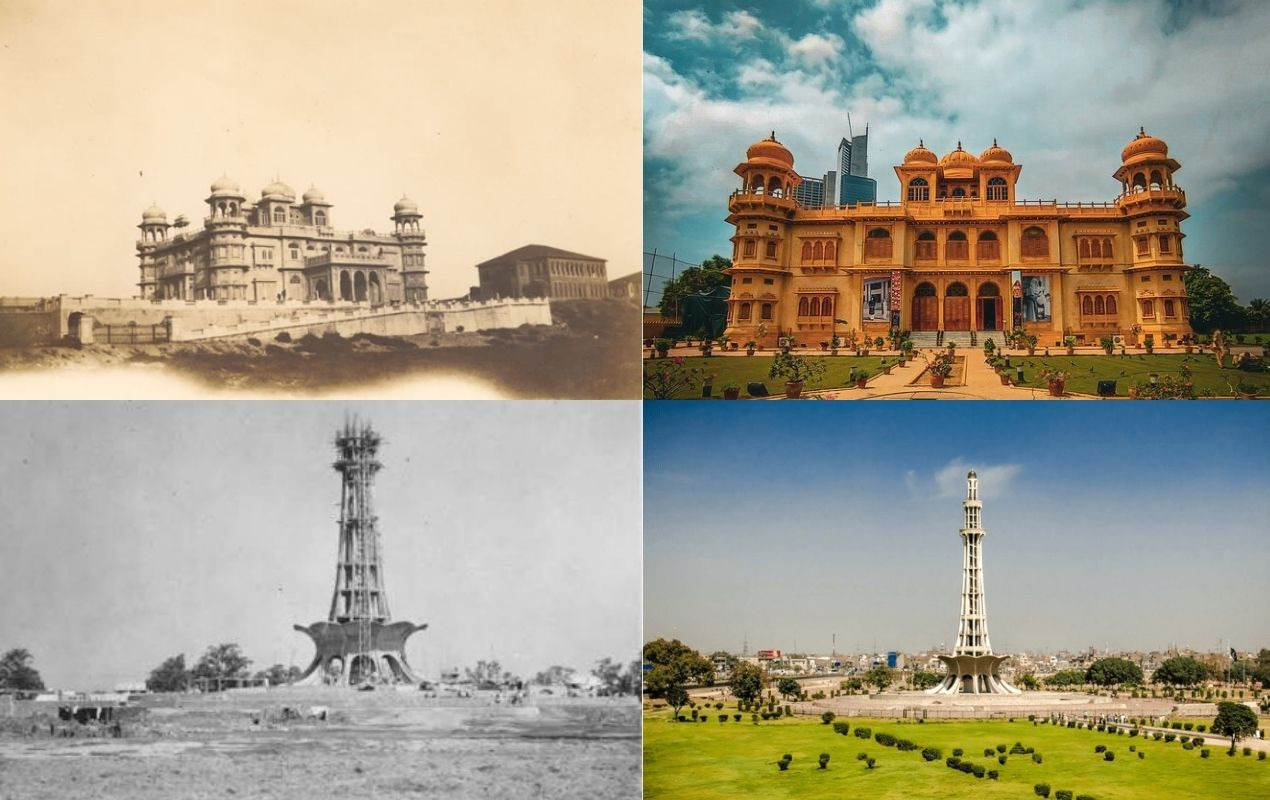
Pink Jodhpur stone, Gizri limestone, peacock motifs on the stonework, nine domes. You have seen it on a hundred wedding photographers’ Instagram grids.
It was built in 1927 as a seaside residence for the businessman Shivratan Chandraratan Mohatta, and the government acquired it in 1947 to house the Ministry of Foreign Affairs. When the Foreign Office moved to Islamabad in 1964, the palace was handed to Fatima Jinnah.
That’s the part worth knowing. This building became the base for her presidential campaign against Ayub Khan. Political meetings, gatherings, campaign work, all run out of a house in Clifton. It came to be known as Qasr-e-Fatima.
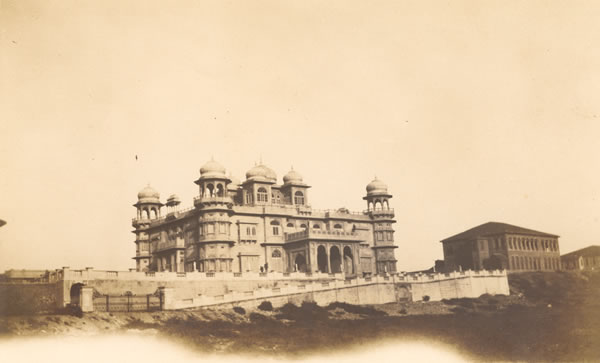
She died in 1967. Her sister Shireen lived on the ground floor until her own death in 1980, after which the property went into litigation and stayed sealed. The Sindh government purchased it in 1995 and opened it to the public as a museum on September 15, 1999.
Cameras and phones are not allowed inside the galleries, so plan accordingly.
7. Islamia College, Peshawar
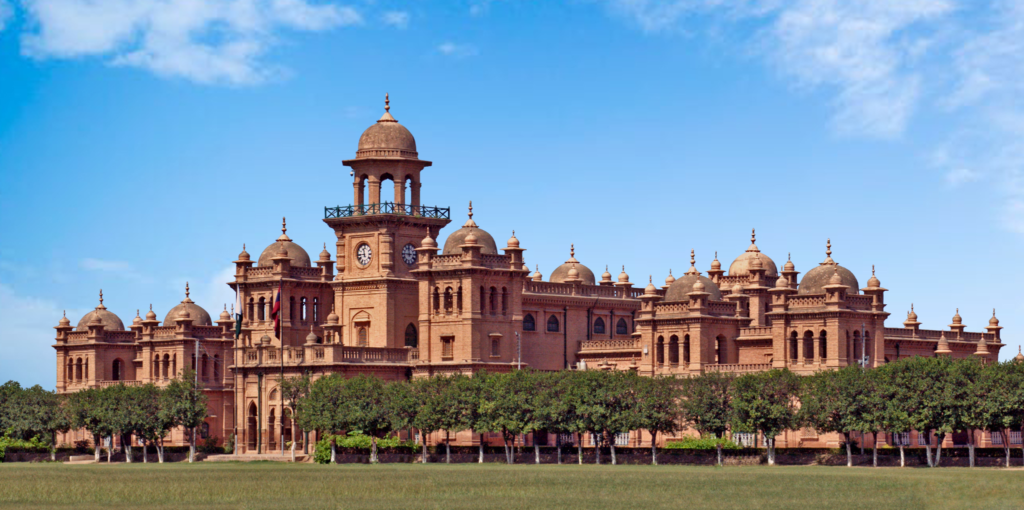
The one nobody outside Khyber Pakhtunkhwa talks about enough.
Founded in 1913 by Sahibzada Abdul Qayyum and Sir George Roos-Keppel, the college was built along the lines of the educational reform movement then centered at Aligarh, and it became the training ground for much of the political leadership of the North West Frontier Province. Khan Abdul Ghaffar Khan and Abdul Rab Nishtar both passed through it.
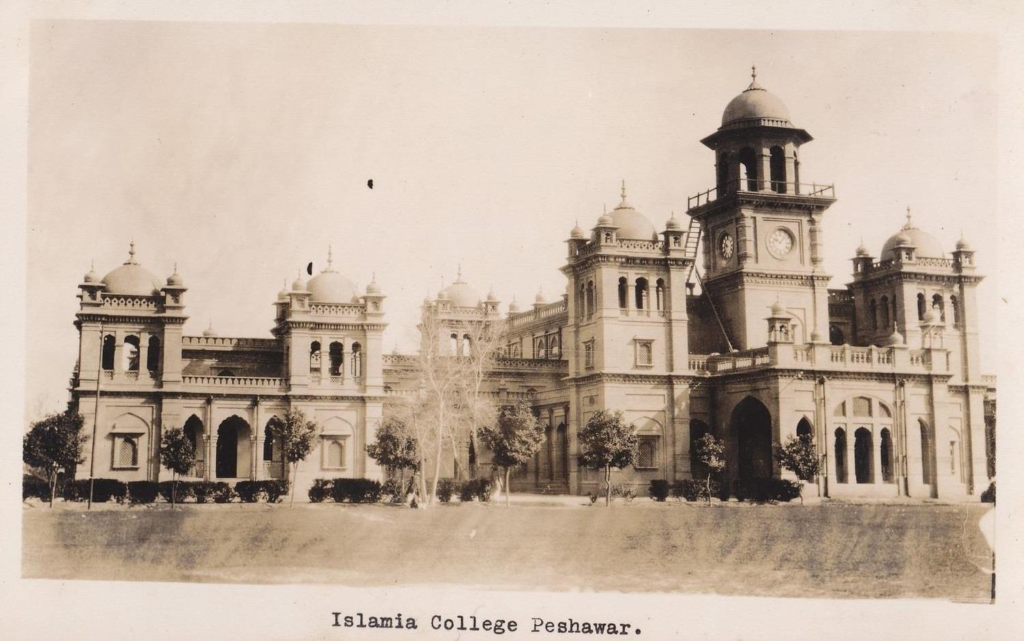
Jinnah visited in 1936, 1945 and 1948, and became a lifelong honorary member of the college’s Khyber Union on the first of those trips. His will, written in Bombay on May 30, 1939, divided his residuary estate three ways: one part to Aligarh, one to Islamia College Peshawar, one to Sindh Madressatul Islam. The college publishes the clause on its own website.
It’s Islamia College University now, and the original building, with its arches and cricket ground, is one of the more photographed campuses in the country.
The five Karachi sites can be done in a day, though Wazir Mansion and the Sindh Assembly sit in older parts of the city where traffic will decide your schedule for you. Museums keep standard hours and close on public holidays. The Sindh Assembly needs prior arrangement.
Lahore and Peshawar are separate trips. Both worth it.
Follow us for more interesting updates!