


Deadly floods have killed more than 1,000 people in 2026, while dozens of volcanoes remain active, and scientists say the two trends have different causes.
A series of deadly floods and a steady run of volcanic eruptions have marked 2026, prompting questions about whether such disasters are becoming more common. Scientists and monitoring bodies give a mixed answer. Flooding is increasing in frequency and severity, driven largely by a warming climate, while the number of active volcanoes remains within its normal long-term range.
The most severe recent disaster struck along the Nepal-China border in late August. A glacial collapse on August 26 sent rock, ice and meltwater into the valleys below, triggering powerful floods and landslides that killed more than a thousand people across the region. It ranks among the deadliest natural disasters of the year.
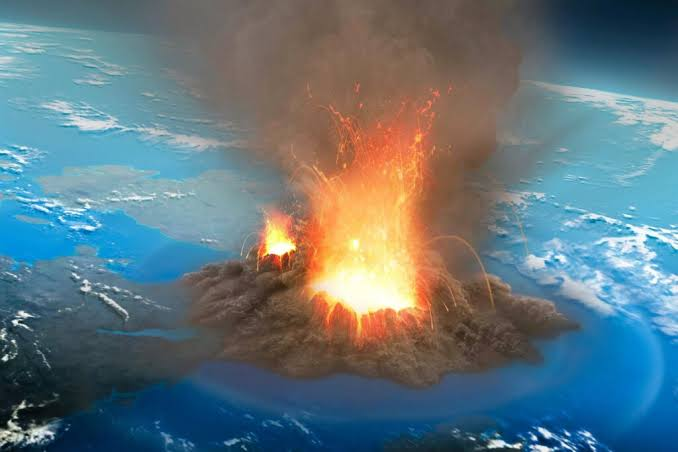
Volcanic activity has also drawn attention, with multiple eruptions reported worldwide in recent weeks. Monitoring agencies say the totals fall within expected ranges, and that greater media coverage, rather than a rise in geological activity, accounts for much of the perceived increase.
Latest Floods in 2026 and the Damage Caused
The 2026 Nepal and China floods caused heavy loss of life and widespread destruction. According to figures reported in early September, the disaster left more than a thousand dead and thousands missing, with rescue operations continuing across the affected area.
Key figures from the Nepal and China floods included:
- A combined death toll of 1,019, with 1,003 deaths in Nepal and 16 in China
- More than 4,400 people reported missing, including hundreds of foreign nationals
- Over 11,000 people rescued across the affected region
- 279 workers rescued from hydropower project tunnels
- At least 250 homes destroyed in Dhunge village alone
- More than 42 million dollars in aid pledged to Nepal
The trigger was identified by scientists as the failure of bedrock beneath a glacier, which sent a surge of debris and water downstream. Road networks were damaged across affected districts, and power and communication lines were cut before being restored in some areas.
The disaster followed a pattern of severe flooding in other parts of the world during the year, with communities across Africa and Asia affected by heavy rainfall and rising water. Researchers have linked the broader increase in flood risk to specific, measurable factors.
Why Floods Are Increasing, According to Scientists
According to the Environmental Defense Fund, a warming atmosphere is central to heavier rainfall. The science points to a clear set of drivers behind the rising flood risk:
- The atmosphere can hold about 7 percent more water vapor for every additional degree of warming, feeding heavier downpours
- The most extreme precipitation days have intensified across major regions
- Melting ice sheets and glaciers, along with the expansion of warming seawater, are raising sea levels and pushing tides farther inland
- Higher seas intensify storm surges during tropical cyclones
- The rate of building in flood-prone zones is increasing worldwide, according to a 2023 study in the journal Nature
The number of people exposed is also climbing. NASA research found that the proportion of people living in flood-prone areas rose by 20 to 24 percent between 2000 and 2015. A 2025 study in Nature Communications estimated that 1.9 billion people could be more exposed to severe floods by 2100.
Why Volcanic Activity Is Not Actually Rising
While volcanic eruptions have featured prominently in coverage, monitoring bodies say the underlying rate has not increased. The Smithsonian Institution’s Global Volcanism Program has found no evidence of an actual rise in eruptions, describing apparent trends as overshadowed by reporting factors.
The baseline level of activity is higher than many assume. Recent monitoring data illustrates the point:
- Around 40 to 60 volcanoes erupt each year on average
- Roughly a dozen volcanoes are actively erupting at any given time
- In a single week from late August to early September 2026, monitoring agencies reported new activity at 5 volcanoes and ongoing activity at 17
- Volcanoes active during that period included Etna in Italy, Kilauea in the United States, Klyuchevskoy in Russia, and several across Indonesia, Japan and the Philippines
Experts attribute the sense of a spike to reporting rather than geology. Christopher Kilburn, a professor of volcanology at University College London, said there may be an unusual increase in the number of reports circulating in the media, especially when a volcano is near a populated area. Volcanologist Jenni Barclay said it is very normal for a few tens of volcanoes to be erupting worldwide at any one time.
The distinction carries practical weight. Scientists say flood risk is rising in a measurable way and call for stronger flood defenses, drainage and land-use planning, while volcanic risk remains tied to the specific hazard around each active volcano rather than to any global increase. Monitoring of both hazards continues, with observatories and climate researchers publishing regular data on eruptions, rainfall extremes and exposure.
Stay tuned for more updates and news!