
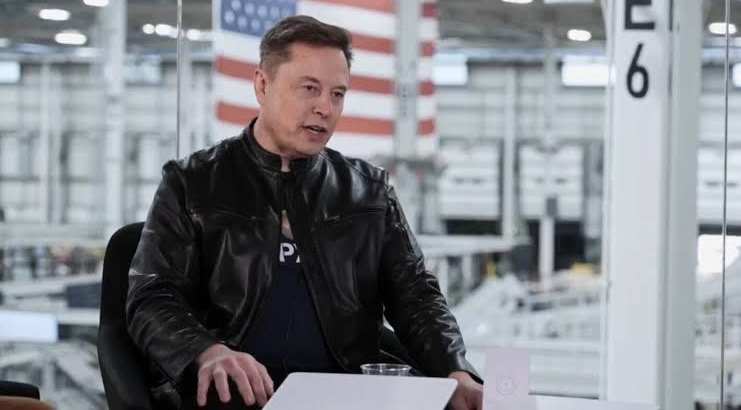
Elon Musk has backed the idea of merging SpaceX and Tesla, potentially creating one of the world’s most valuable companies by combining electric vehicles, space exploration, satellite communications, artificial intelligence (AI) and robotics under a single corporate structure.
On October 20, 2026, Musk confirmed that both companies had established special committees of independent directors to explore a possible merger. Speaking during SpaceX’s third-quarter earnings call, he described the proposal as a good idea but cautioned that a deal was not guaranteed.
The potential merger could create a combined company valued at approximately $3.5 trillion, according to Reuters. However, the companies have not agreed on transaction terms, and shareholder approval would be required.
Musk’s interest in merging the businesses reflects the growing overlap between their technological ambitions. Tesla, known for its electric vehicles, is expanding into autonomous driving, energy storage and humanoid robots. SpaceX operates rockets and the Starlink satellite internet network while expanding its investments in AI computing infrastructure.
Musk said combining the companies could strengthen cooperation in AI software, chip design, robotics, satellite connectivity and advanced manufacturing.
A merger could also simplify coordination between projects that currently operate across separate corporate structures. Management could potentially allocate capital, engineering expertise and infrastructure across the businesses more directly.
Artificial intelligence is a major factor behind the proposed combination. Both companies require substantial computing capacity and advanced semiconductors to support their long-term plans.
Tesla’s autonomous driving systems and Optimus humanoid robots require advanced computing hardware, while SpaceX is investing in computing infrastructure to support its expanding AI operations.
The companies are already collaborating through Terafab, a planned semiconductor manufacturing initiative. Musk said the project aims to produce its first test chip around May or June 2027, with volume production targeted for the third quarter of 2028.
Combining the businesses could help coordinate semiconductor development and manufacturing investment across their respective operations. However, the project’s production targets remain future milestones rather than completed achievements.
SpaceX’s Starlink network could potentially support connectivity for Tesla’s autonomous vehicles, robotaxis and other connected technologies. Satellite communications could be particularly useful in areas where conventional mobile networks offer limited coverage.
Tesla’s battery and energy-storage technology could also help meet the electricity demands of SpaceX’s expanding computing infrastructure.
The companies could explore further cooperation in factory automation, robotics and advanced manufacturing. Tesla’s experience in large-scale vehicle production could complement SpaceX’s efforts to manufacture rockets and other space technology at scale.
These potential synergies are central to the merger proposal, although their financial benefits have not yet been established.
A combined company would bring together Tesla’s automotive, energy-storage and robotics operations with SpaceX’s launch services, satellite communications and space-related businesses.
Tesla shareholders could gain exposure to SpaceX’s operations, while SpaceX investors could gain exposure to Tesla’s vehicle and energy businesses. Supporters of the proposal may view this as an opportunity to participate in several technology sectors through a single investment.
However, investors would also face a broader range of risks, including the substantial costs of developing AI infrastructure, autonomous vehicles, humanoid robots and next-generation spacecraft.
Musk’s ownership stakes in both companies also raise questions about transaction valuation, governance and the allocation of control within the combined business.
The merger faces significant challenges. Musk acknowledged that he has a conflict of interest and would not participate in the special committees’ discussions.
Both companies must evaluate the proposal, and shareholders would need to approve a transaction. Regulatory scrutiny could also be substantial because SpaceX works with US government agencies, while Tesla has significant manufacturing operations in China.
Musk cautioned investors against assuming that a merger would definitely happen, noting that the independent committees had not agreed on terms.
For now, the proposal remains under consideration. If completed, it could unite two major technology businesses and reshape Musk’s corporate empire. Its eventual outcome will depend on the companies’ negotiations, shareholder support and the resolution of regulatory and governance concerns.