

A new Ebola outbreak has been declared a global health emergency. Here is what we know so far!
The World Health Organization declared the 2026 Ebola outbreak in the Democratic Republic of the Congo a public health emergency of international concern on May 17. It is caused by the Bundibugyo virus, a strain with no approved vaccine or specific treatment.
Ebola Outbreak 2026: Latest Updates
The DRC confirmed the outbreak in Ituri Province on May 15, 2026.
What we know so far:
- The DRC reported 125 confirmed cases, including 17 deaths, in figures published by the DRC Ministry of Health on May 28 and reported by the European Centre for Disease Prevention and Control.
- The DRC also reported 906 suspected cases, including 223 suspected deaths, across Ituri, North Kivu, and South Kivu, according to the ECDC.
- Uganda reported nine confirmed cases, including one death, with at least three linked to travel from the DRC.
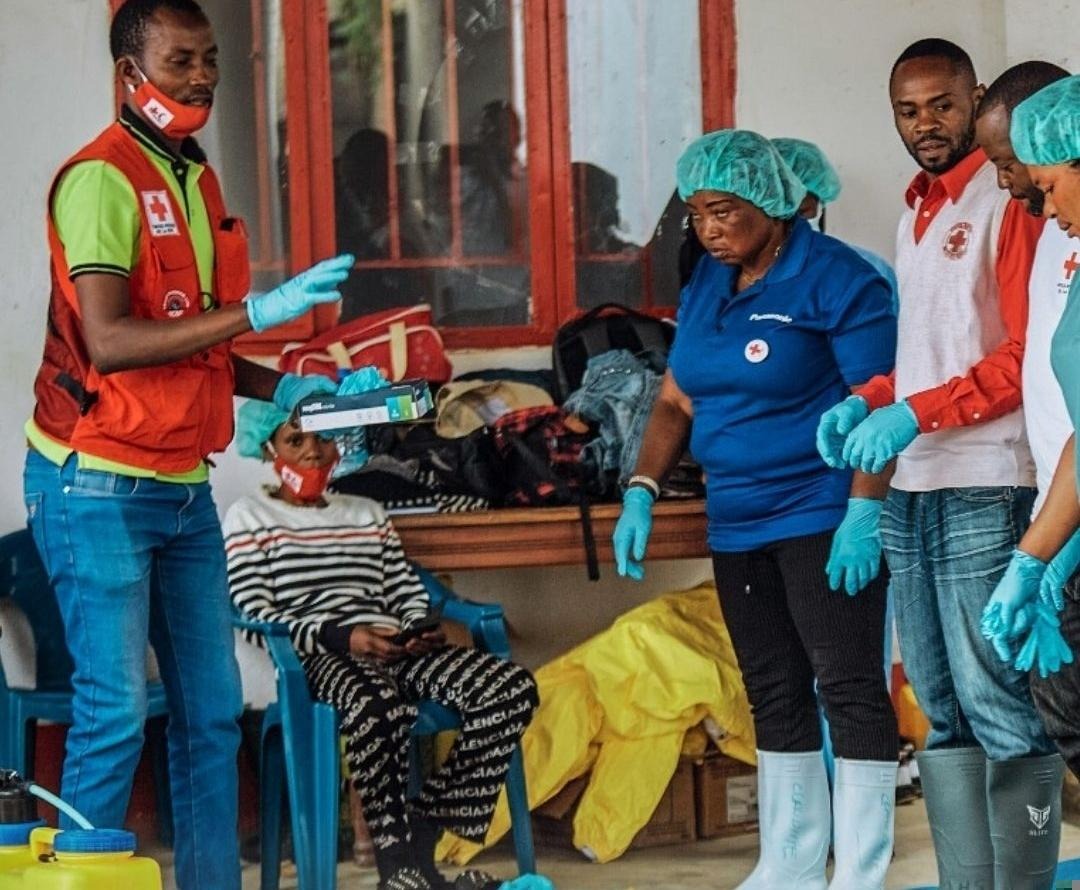
WHO Director-General Tedros Adhanom Ghebreyesus said insecurity and attacks on health facilities are making it nearly impossible to trace contacts and isolate cases. UN figures cited by the WHO show nearly 10 million people across eastern DRC facing acute hunger in the first half of 2026, which raises vulnerability to infection.
A Brief History of Ebola Outbreaks
Ebola was first identified in 1976 near the Ebola River in what is now the DRC.
The background:
- The first outbreaks were detected in 1976 in two simultaneous events in Sudan and Zaire, according to the WHO.
- The 2014 to 2016 West Africa outbreak was the deadliest, with more cases and deaths than all previous outbreaks combined.
- This is the 17th recorded outbreak in the DRC since 1976, according to the WHO and Doctors Without Borders.
- The Bundibugyo virus was first identified in western Uganda in 2007, and this is only the third recorded outbreak caused by it.
What Is Ebola and What Causes It
Ebola disease is a severe and often fatal illness affecting humans and other primates. The WHO says it is caused by a group of viruses called orthoebolaviruses, found mainly in sub-Saharan Africa.
The basics:
- The WHO says six species exist, and three of them, Bundibugyo, Sudan, and Zaire, have caused large outbreaks before.
- Experts believe African fruit bats are the natural reservoir of the virus.
- The case fatality rate averages around 50 percent but has ranged from 25 percent to 90 percent across past outbreaks, according to the WHO.
Ebola Virus Symptoms to Watch For
Symptoms can come on suddenly, and early signs are easy to mistake for malaria, typhoid, and other illnesses. The WHO says laboratory testing is needed to confirm the disease.
The early signs include fever, fatigue, muscle pain, headache, and sore throat. As the disease progresses, the WHO says patients may develop vomiting, diarrhea, rash, and signs of impaired kidney and liver function. In some cases, internal and external bleeding occurs, such as oozing from the gums or blood in the stool.
How Ebola Spreads: Transmission Explained
Ebola does not spread through the air like the flu. The WHO says it requires direct contact, which limits how easily it moves through a population.
How it moves:
- The virus first enters people through contact with infected wild animals such as fruit bats and non-human primates.
- It then spreads between people through direct contact with the blood, secretions, or other bodily fluids of an infected person.
- It can also spread through bedding or clothing contaminated with those fluids.
- Health workers, family caregivers, and those handling the bodies of the deceased face the highest risk.
Ebola Treatment and Vaccine Status in 2026
There is no approved vaccine or specific treatment for the Bundibugyo strain. The WHO has convened an expert group to advise on candidates still being tested.
Where things stand:
- An FDA-approved Ebola vaccine exists, but it targets the Zaire strain, not Bundibugyo.
- There is no specific cure for the current strain, so early supportive care is the key factor in survival.
- The WHO says rehydration and treatment of symptoms significantly improve a patient’s chances, and the earlier the care, the better the outcome.
Ebola Prevention and Travel Risk
The UAE has issued its own travel guidance in response to the outbreak. The Ministry of Foreign Affairs has advised UAE nationals and residents against travel to Uganda, the Democratic Republic of the Congo, and South Sudan unless absolutely necessary. The ministry urged UAE nationals already in these countries to exercise the utmost caution, follow health and safety instructions from local authorities, register in the Twajudi service, and contact the ministry in case of emergencies.
Prevention focuses on breaking the chain of transmission, and the risk outside the affected region remains low.
How to stay safe:
- Avoid contact with the bodily fluids of sick or deceased people.
- Follow strict infection control in healthcare settings and ensure safe burials.
- The US CDC reports no confirmed cases in the United States, and the ECDC assesses the risk in Europe as very low.
- The CDC announced enhanced travel screening on May 18 as a precaution.
Stay safe and take precautionary measures. Stay tuned for more updates and news!