


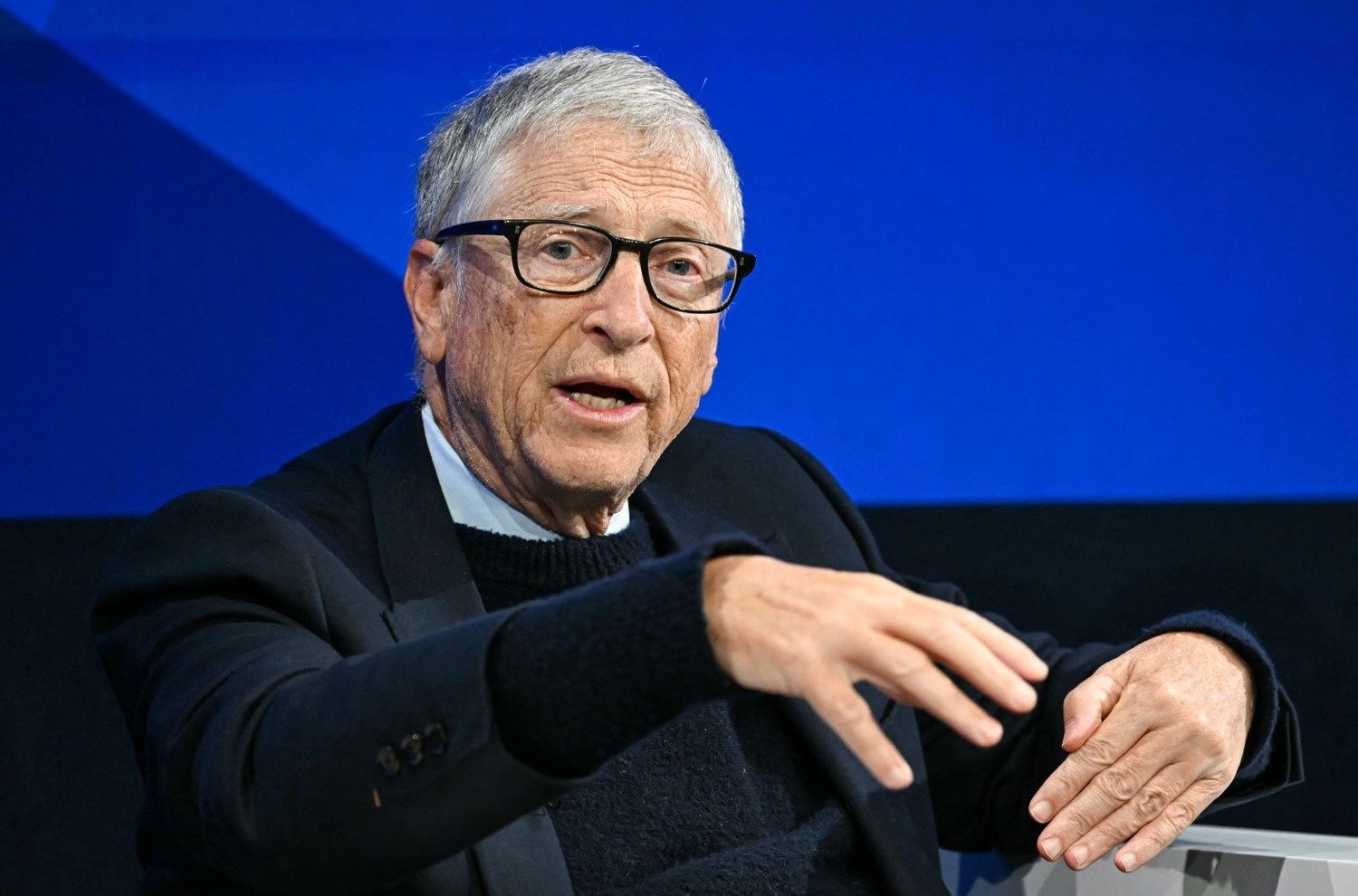
Microsoft co-founder Bill Gates has warned that artificial intelligence (AI) could trigger two decades of economic and social disruption as the technology transforms employment, industries and everyday life. Speaking on Decoder, a podcast hosted by The Verge editor-in-chief Nilay Patel, Gates said the transition could create significant challenges even under the most favourable circumstances.
In the episode published on October 22, 2026, Gates described the coming period as one in which technological progress would produce both winner
s and losers. He said the transition could eventually lead to an era of abundance, but warned that societies would face considerable disruption before reaching that stage.
Gates identified employment as one of the major areas likely to be affected by advances in AI. He has previously warned that the technology could reshape professions including law, customer service, medicine, software development and manufacturing.
As AI systems become more capable of completing tasks that currently require human judgement and expertise, businesses could increasingly automate parts of their operations. This could change hiring requirements, reduce demand for certain roles and force workers to acquire new skills.
Gates has also highlighted the potential impact of robotics on physical labour. He said future advances could enable robots to undertake tasks such as building houses, growing food and performing surgery.
However, the extent and timing of these changes remain uncertain. Gates described the 20-year transition as an estimate rather than a fixed prediction, noting that the pace of technological development and decisions about its management could influence the outcome.
Despite his concerns, Gates has also pointed to the potential benefits of AI. He has identified healthcare and agriculture as areas where the technology could improve productivity and expand access to essential services.
In healthcare, AI could assist with medical research, clinical tasks and the delivery of services. In agriculture, it could support research and help improve productivity. Robotics could also increase the production of goods and reduce the labour required for certain activities.
Gates suggested that widespread automation could eventually make many goods and services more readily available. However, he warned that the transition towards this possibility could create economic and social challenges, particularly if the benefits of AI are distributed unevenly.
He has also raised questions about the role of human work in a future where machines can perform an increasing number of tasks. Activities such as childcare, food preparation, art and sports could remain areas where societies choose to preserve human involvement, even if machines become capable of performing them.
Gates has called for greater government involvement in managing the risks associated with AI. He has warned that increasingly capable systems could be used to facilitate cyberattacks and biological threats, while also raising concerns about whether existing technical safeguards are sufficient.
He argues that technology companies should not bear sole responsibility for managing these risks. Governments, researchers and businesses will need to develop safeguards and policies that address the technology’s potential consequences.
In an essay published in August 2026, Gates also called for broader coordination on AI policy, including measures to address employment disruption and risks to public safety. He argued that decisions made during the transition would influence whether AI becomes a source of shared prosperity or deepens existing inequalities.
Gates’ warning centres on the challenges of adapting to technological change before its effects become more widespread. Although he expects AI to deliver substantial benefits, he believes the transition could be one of the most disruptive periods in modern history.
The 20-year timeframe reflects his assessment of the potential transition, not a confirmed timeline for specific job losses or technological developments.
His comments underline the importance of preparing workers, updating public policies and establishing safeguards as AI capabilities advance. The outcome will depend on how governments, businesses and societies manage the technology and distribute its benefits.


