


Pilot Officer Rashid Minhas remains the youngest and only Pakistan Air Force member to receive the Nishan-e-Haider.
Every September, as Pakistan marks Defence Day, one name returns to classrooms, parade grounds, and television tributes across the country. Rashid Minhas was just twenty years old when his actions earned him the Nishan-e-Haider, the highest military honor Pakistan awards for valor. He is the youngest person ever to receive it, and to this day the only member of the Pakistan Air Force on that list.
His story is short in years but long in meaning. Minhas had only recently earned his wings and was at the very start of his flying career. What he did in a matter of minutes on a summer morning in 1971 has kept his memory alive for more than five decades, studied by cadets and honored by a nation that names roads, bases, and institutions after him.
Pakistan sits in South Asia, and its air force draws some of the country’s most competitive young talent. Minhas belonged to that pool of aspiring aviators, and his name is now among the first that Pakistani children learn when they hear the words Nishan-e-Haider.
The Life of Rashid Minhas Before the Pakistan Air Force
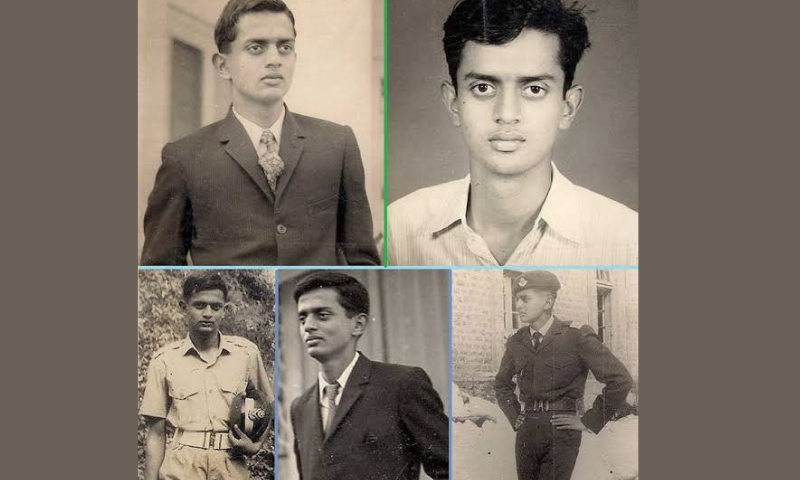
Rashid Minhas was born on February 17, 1951, in Karachi, the port city in Pakistan’s southern province of Sindh. According to the Pakistan Air Force, he showed an early pull toward aviation and joined the PAF as a cadet, training at the academy before commissioning as a Pilot Officer.
He was, by every account, at the beginning of everything. He had qualified as a pilot only shortly before the events that would define him. Colleagues and instructors knew him as a keen and disciplined young officer, eager to prove himself in the cockpit of the aircraft he had trained so hard to fly.
That eagerness is part of what makes his story resonate. Minhas was not a seasoned veteran with decades of service behind him. He was a young man who had just stepped into the role he had dreamed of, which is exactly why his choice under pressure carries such weight in Pakistan’s national memory.
The Nishan-e-Haider Moment That Defined His Legacy
On August 20, 1971, Minhas was preparing for a solo training flight in a T-33 jet trainer from PAF Base Masroor in Karachi. According to Pakistan Air Force accounts, his instructor took control of the aircraft after it began taxiing, intending to divert the jet across the border.
Minhas radioed that his plane was being taken and fought to regain command of the aircraft in the air. Understanding that he could not overpower the situation in the cockpit, he made the decision to force the jet down rather than allow it to leave Pakistani airspace. The aircraft crashed near Thatta, a district in Sindh, and Minhas lost his life in the act.
He was posthumously awarded the Nishan-e-Haider for that decision. The Pakistan Air Force records the moment as one of instant, selfless resolve, a young pilot placing his country ahead of his own survival within minutes of realizing what was at stake. Radio Pakistan and national broadcasters have retold the account in tributes across the years, and his sacrifice is taught as a defining example of duty.
Why Rashid Minhas Still Matters on Defence Day
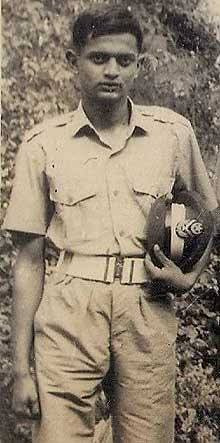
More than fifty years later, Minhas remains a fixture of Pakistan’s Defence Day observances every September. The Pakistan Air Force named PAF Base Kamra’s institutions and other facilities in his honor, and his portrait appears in military museums, textbooks, and commemorative programs.
His youth is central to why his memory endures. Generations of cadets are told that heroism does not wait for rank or age, and that a pilot barely out of training gave everything he had for the country he served. For families across Pakistan, his name is a reminder that courage can arrive early and act quickly.
On Defence Day, when Pakistan honors those who served, Rashid Minhas stands among the most cited names of all. He is remembered not for a long career but for a single, decisive moment, and for a legacy that continues to shape how the country understands sacrifice.