



In a world that runs on speed and shortcuts, these six superfoods offer a little nutrition on demand.
We live in an age of instant everything. Answers arrive in seconds, dinner shows up at the door, and artificial intelligence can draft an email, plan a trip, or summarize a book before the kettle has boiled. The whole world sits at our fingertips, and the pace rarely lets up. Between work, screens, and the constant hum of competition, sitting down to a slow, carefully balanced meal often feels like a luxury we cannot quite fit in.
So it is no surprise that the same appetite for quick wins has reached the way we eat. If information can be condensed into a single search and tasks handed to a smart assistant, why not nutrition too? Enter the modern superfood, the dietary equivalent of a shortcut, promising a lot of goodness packed into a spoonful of powder or a handful of seeds.
It helps to keep some perspective before stocking the pantry. Superfood is a marketing term rather than a scientific one, and there is no official test that ranks one food above another or crowns a single ingredient the healthiest. Nutrition experts are also clear that none of these powders replaces a balanced diet, and that ordinary vegetables often deserve just as much attention as fashionable ones.
Still, many of these foods are genuinely nutrient dense and can add real value to a varied diet. Several come from long traditions of use in systems such as Ayurveda and Traditional Chinese Medicine, now repackaged for smoothie cups and busy mornings. The six below are among the most popular of this newer wave, each easy to find, simple to use, and backed by a nutrient profile worth knowing. As with any supplement, start with small amounts, and if you have a health condition or are pregnant, check with a doctor first.
1. Moringa
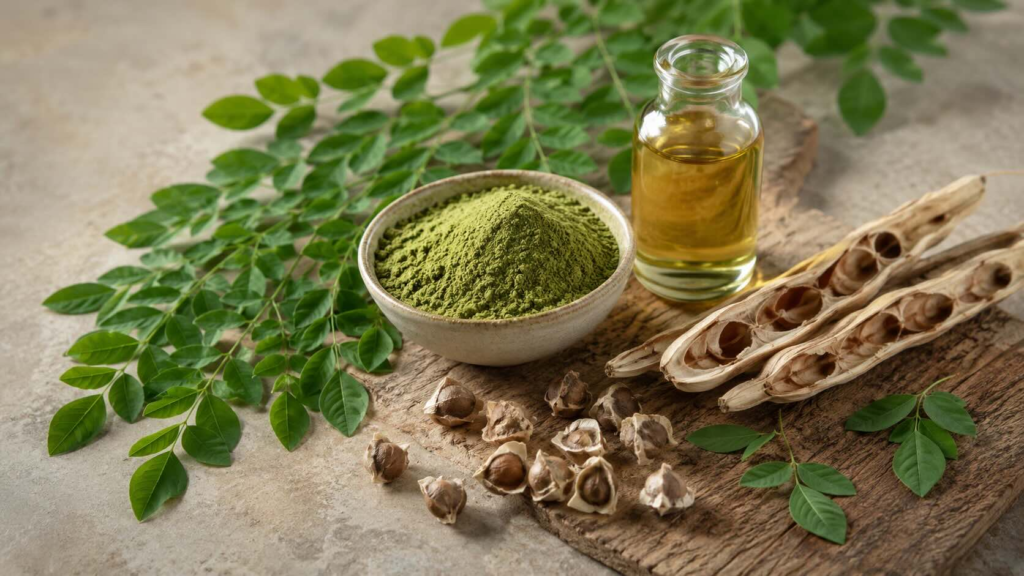
Moringa, made from the dried leaves of the Moringa oleifera tree, has become one of the most popular green superfoods. It is packed with iron, calcium, magnesium, vitamin C, and B vitamins, and its high nutritional value has seen it used to help combat malnutrition in parts of India and Africa. Because it contains vitamin C alongside iron, the body can absorb that iron more easily. Moringa is naturally caffeine free and has a milder, more pleasant taste than many green powders. It blends easily into smoothies, soups, and sauces. Some of its wider claims around inflammation and blood sugar are still being studied.
2. Spirulina
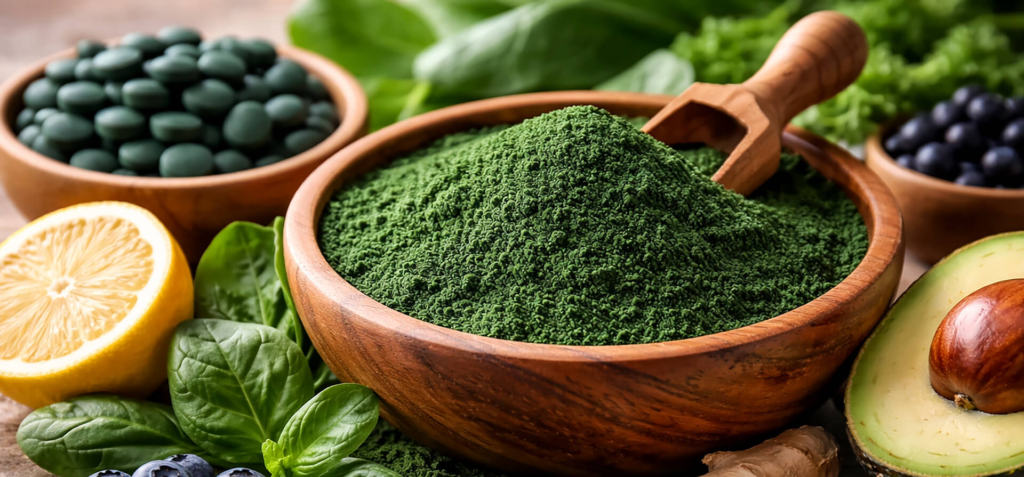
Spirulina is a blue-green algae widely regarded as one of the most nutrient-dense foods available. It is a strong source of plant protein and contains calcium, potassium, magnesium, iron, and niacin, along with essential amino acids. Its blue pigment, called phycocyanin, is linked to anti-inflammatory and antioxidant effects, and it has been studied for supporting cholesterol levels. Spirulina has a strong, oceanic flavor that some find takes getting used to, so it is often mixed into fruit-forward smoothies. As with other algae, it is worth buying from a reputable source.
3. Matcha
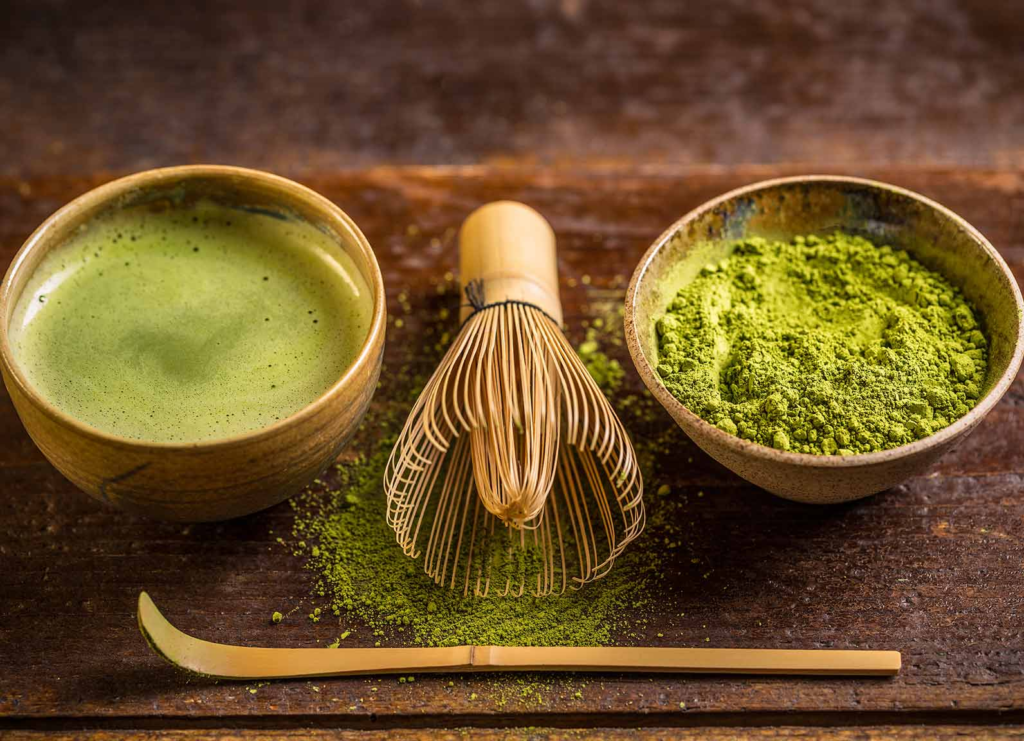
Matcha is a finely ground green tea powder with a history stretching back more than a thousand years, giving it a longer track record than most green powders. It contains caffeine along with an amino acid called L-theanine, a combination that provides alertness with a steadier feel than coffee for many people. Matcha is also rich in antioxidants known as catechins. It is traditionally whisked into hot water, but it also works in lattes and smoothies. Because it contains caffeine, those limiting their intake may prefer a caffeine-free option.
4. Chia Seeds
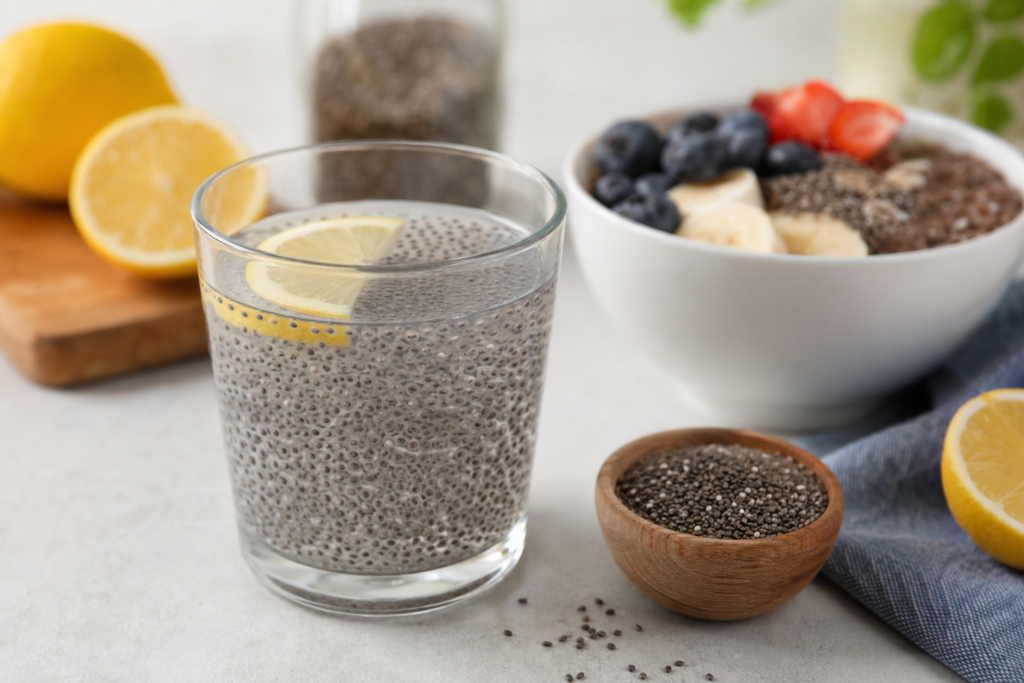
Chia seeds are tiny but nutrient rich, offering fiber, plant protein, omega-3 fatty acids, and minerals such as calcium and magnesium. When soaked in liquid, they form a gel and expand, which makes them filling and useful for adding texture. They are one of the easiest superfoods to use, needing no preparation beyond stirring them in. Sprinkle them over yogurt or oatmeal, blend them into smoothies, or soak them overnight to make chia pudding.
5. Maca
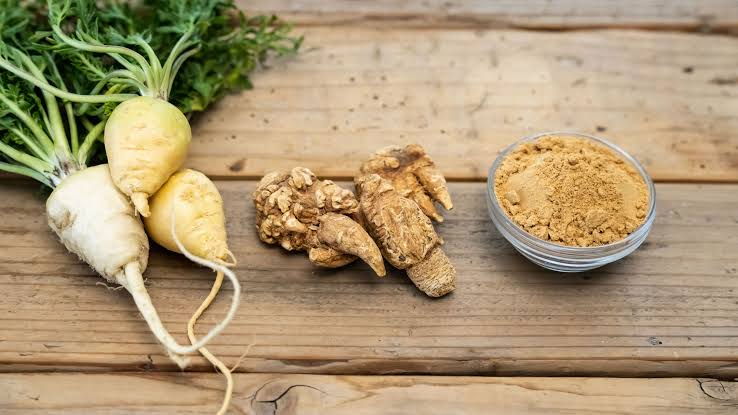
Maca is a root vegetable from Peru, usually sold as a powder, that has long been used for energy and stamina. It provides carbohydrates, fiber, and a range of vitamins and minerals, including vitamin C, copper, and iron. It has an earthy, slightly malty taste that pairs well with cacao and works in smoothies, oatmeal, and baked goods. As with several of these foods, some of maca’s traditional claims are still being researched, so it is best treated as a nutritious addition rather than a remedy.
6. Wheatgrass
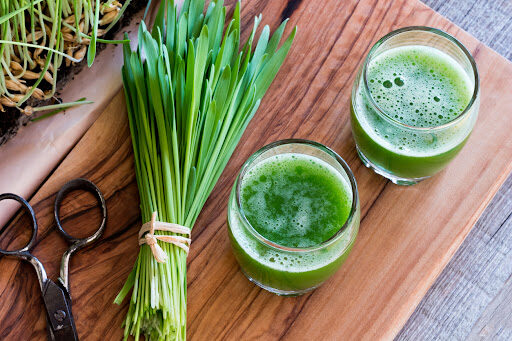
Wheatgrass is the young grass of the wheat plant, taken as a juice or powder and valued for its high chlorophyll content, which gives it a vivid green color. It contains vitamins A, C, and E, along with iron and a range of other nutrients. It is naturally caffeine free, which makes it an easy way to add green plant nutrition to the day without any stimulant. Its flavor is strong and grassy, so many people take it as a small shot or blend it into a mixed green juice.
The simplest way to benefit from these foods is to treat them as additions to an already balanced diet, not replacements for whole meals or vegetables. A teaspoon of moringa in a smoothie, a spoon of chia over breakfast, or a matcha in place of a second coffee are small, sustainable habits.
Variety is the real key. Different foods bring different strengths, and rotating through several usually makes more nutritional sense than searching for one miracle ingredient. In a world that keeps asking us to do more in less time, these superfoods offer a rare kind of shortcut that is actually worth taking, real nourishment in a form quick enough to keep up with the pace.