


Depression after childbirth is common and treatable, and the World Health Organization says seeking help is good for both mother and baby.
The arrival of a baby is often described as the happiest moment in a person’s life. For many new mothers, though, the reality is more complicated, and that is nothing to be ashamed of. In a recent message, the World Health Organization highlighted just how common depression around pregnancy and childbirth really is, and reminded women that reaching out for support is a sign of strength, not failure.
According to the WHO, more than 10 per cent of pregnant women and women who have just given birth experience depression. That means roughly one in ten mothers, and by some estimates more, move through this period carrying a weight that has nothing to do with how much they love their child. The organisation’s core message is simple and worth repeating. Seeking help is good for you, and it is good for your baby.
Postpartum depression, sometimes called perinatal depression when it begins during pregnancy, is a recognised medical condition, not a personal shortcoming. It is different from the short-lived “baby blues” that many women feel in the first days after delivery, when tiredness and shifting hormones can bring tearfulness and mood swings that usually pass on their own within a couple of weeks.
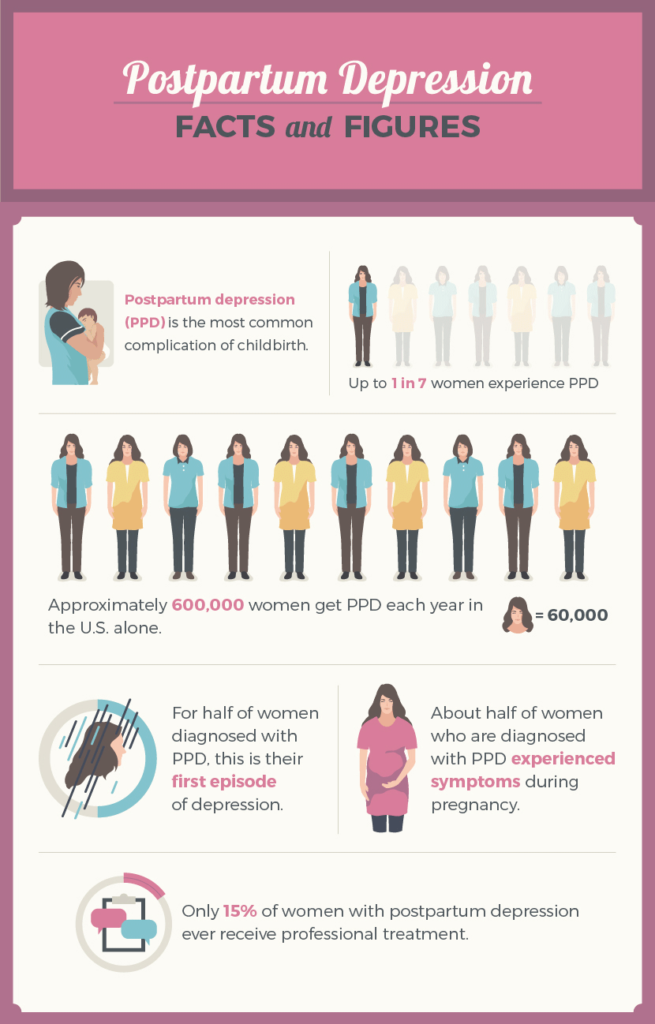
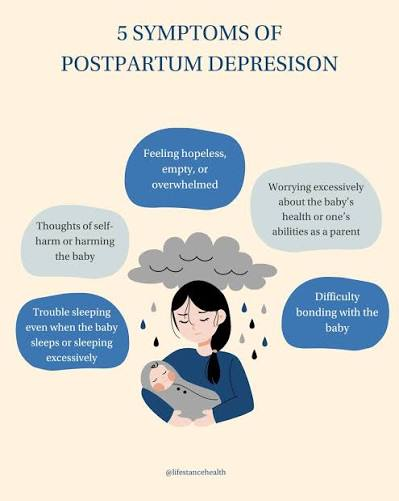
Depression is more persistent. It can involve ongoing sadness, anxiety, exhaustion that rest does not fix, and difficulty bonding with the baby. Because these feelings can build gradually, and because so much attention naturally shifts to the newborn, they can be easy to overlook or brush aside. Global estimates place the prevalence of postpartum depression somewhere between 10 and 20 per cent of new mothers, and experts believe the true figure may be higher, since many cases go unrecognised.
Importantly, this is not a rare or unusual experience, and it does not reflect on a mother’s ability to care for her child. It is one of the most common complications associated with childbirth, and it can affect anyone, regardless of background, income or whether it is a first baby or a fourth.
Why Seeking Support Matters
The reason the WHO stresses reaching out is that postpartum depression responds well to support and treatment. Left unaddressed, it can affect a mother’s wellbeing and the bond she shares with her baby. With the right help, the outlook is genuinely encouraging, and a large share of mothers who receive support go on to recover fully.
Help can take several forms, and there is no single right path. For some, talking openly with a trusted partner, family member or friend is an important first step. For others, a conversation with a doctor, midwife or health visitor opens the door to more structured support, whether that is talking therapy, peer support groups, or other treatment tailored to the individual. What matters most is that a mother does not feel she has to carry it alone or wait for it to simply pass.
One of the biggest barriers remains stigma. Many women worry about being judged, or feel they should be coping better than they are. That silence is exactly what the WHO is trying to break. Naming the condition, and normalising the act of asking for help, makes it far easier for mothers to get the care they deserve.
How Loved Ones Can Help
Support does not rest on the mother’s shoulders alone. Partners, family and friends often notice changes first, and a gentle, non-judgemental presence can make a real difference. Checking in regularly, offering practical help with the baby or the household, and listening without trying to fix everything all count for a great deal.
If you are a new mother reading this and recognising some of these feelings in yourself, please know that you are not alone, and that what you are feeling is both common and treatable. Speaking to a doctor or a trusted health professional is a good and caring step, both for you and for your baby. Support is available, recovery is very possible, and asking for help is one of the strongest things a parent can do.
If you or someone you know is struggling with their mental health during pregnancy or after childbirth, consider reaching out to a doctor, midwife or local health service, who can help connect you with the right support.