


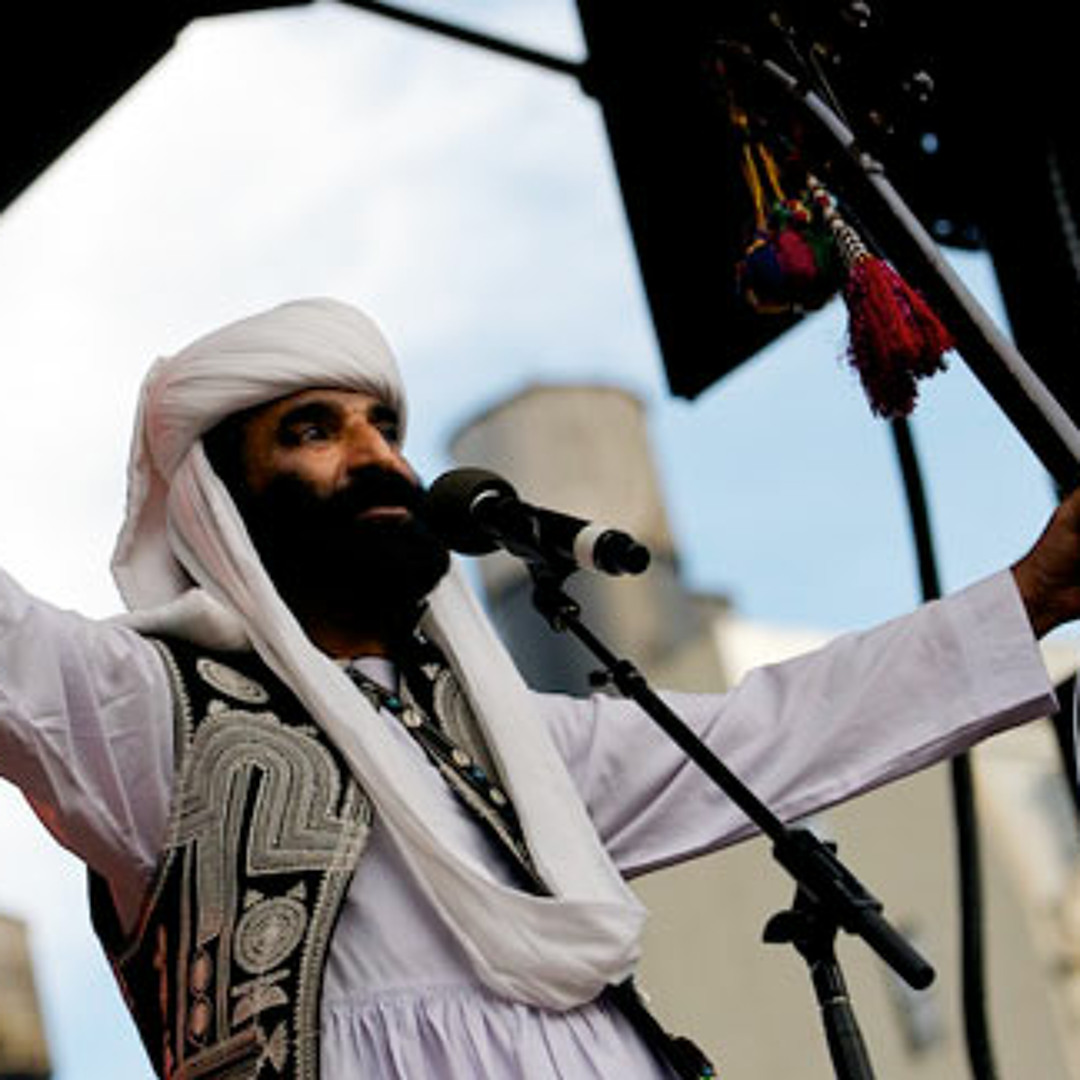
Few folk songs occupy as special a place in Pakistan’s musical heritage as “Daanah Pah Daanah.” Written in the Brahvi language, the song is widely regarded as one of the finest pieces of poetry and composition to emerge from Balochistan’s folk tradition. Though it first reached listeners in 1990, it was its later performance on Coke Studio’s fourth season that carried it into the mainstream and introduced an entirely new generation to its haunting melody.
The Origin of the Song
The song’s creator, Akhtar Chanal Zahri, has described its birth not as a deliberate act of songwriting but as something closer to inspiration arriving unannounced. He has said the idea came to him while he was in Kalat, a city once considered the seat of power in Balochistan. Before that moment, he had encountered the phrase “Daanah Pah Daanah” being chanted on a cassette recording at a tailor’s shop in Quetta, and the phrase stayed with him.
Once he began writing, Zahri knew the song would center on themes of peace, love, brotherhood, and devotion to Balochistan. Composed in Brahvi, the language of the Brahvi people, traditionally shepherds by trade, the song adopts the voice of a shepherd introducing his homeland to his sons. Its vocal rhythms are crafted to evoke the image of a flock of sheep moving across the land.
Musically, the song stands apart from much of the folk music found elsewhere in Pakistan. Zahri has explained that Balochi melodies typically follow the rhythm of a walking camel, built on a six-beat structure, unlike Sindhi or Punjabi folk music, which tends to follow the four-beat gallop of a horse. This distinctive rhythmic foundation is part of what gives “Daanah Pah Daanah” its unmistakable character.
A Song Rooted in History
The lyrics themselves look backward in time, describing the Balochistan of the 1700s and 1800s. References to Kalat as the region’s capital, along with mountain peaks and rivers tied to the land, reflect a deep affection for Balochistan’s geography and history. Zahri has firmly rejected interpretations that read political or separatist meaning into the song, insisting instead that it is purely an expression of peace and unity.
The Meaning of the Lyrics
At its heart, the song opens as an intimate love address, comparing a beloved to a single precious grain found among countless others, a rare find worth treasuring above all else, with the singer declaring that once such a bond of friendship exists, nothing more is needed in life. The style and phrasing of this opening echo older Sufi and dervish poetic traditions, where devotion to a beloved often doubles as devotion to the divine, a common feature of mystic folk poetry across the region.
From there, the song shifts in focus: the personal address to a beloved gradually widens into a tribute to Balochistan itself. The singer moves through a roll call of the land’s mountains, rivers, and springs, celebrating each as “splendid,” expressing the same intensity of feeling for the homeland as for a lover. The final sections turn devotional in a different sense, invoking imagery associated with Sufi saints and mystic figures, tying the love-song opening to a closing note of spiritual reverence.
Akhtar Chanal Zahri, the Man Behind the Melody
Zahri’s career in music spans roughly five decades, and he holds Pakistan’s Pride of Performance award in recognition of his contributions to folk music. Long before Coke Studio brought him to a national audience, he had already earned a reputation within Balochistan as the true custodian of “Daanah Pah Daanah,” the artist whose voice and story were inseparable from the song itself. It was this deep, original connection to the piece that led producer Rohail Hyatt to seek him out specifically for the Coke Studio performance, choosing him over other folk artists who had recorded their own versions of the track over the years. For Zahri, that moment was less a discovery than a recognition, an acknowledgment that the song, wherever else it traveled, still belonged to the man who first gave it life.
A Lasting Legacy
Decades after it was written, “Daanah Pah Daanah” endures as more than a folk tune. It stands as a cultural touchstone, an expression of regional pride, and a testament to Akhtar Chanal Zahri’s enduring place in Pakistan’s musical history.


