


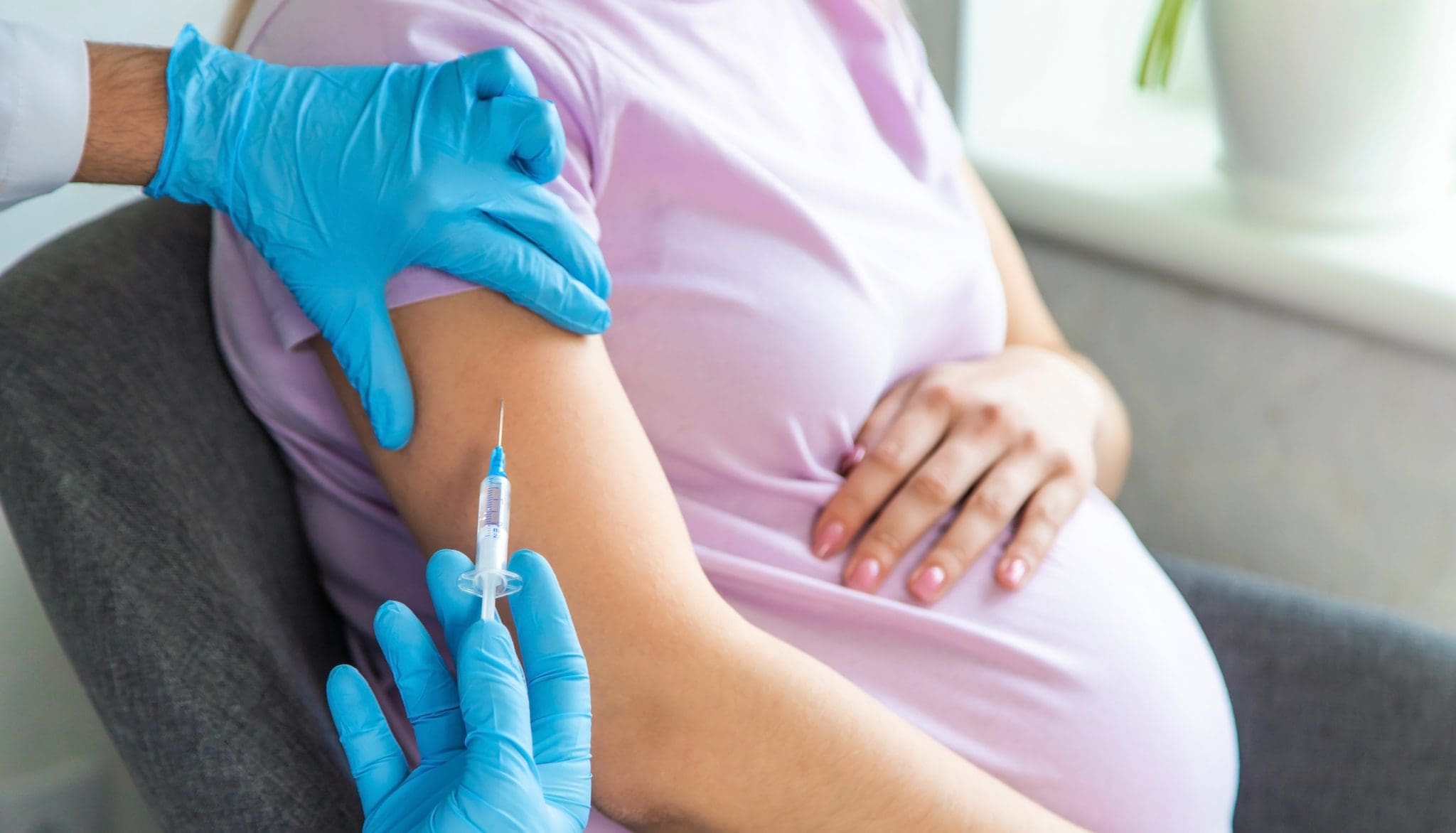
A single vaccine given to pregnant women is keeping tens of thousands of babies out of hospital. New data from the UK Health Security Agency confirms that the RSV vaccine, offered from 28 weeks of pregnancy, is slashing infant hospital admissions by more than 80% and up to nearly 85% when timed correctly. It is being called one of the most significant wins for newborn health in years.
The study tracked almost 300,000 babies born in England between September 2024 and March 2025, covering roughly 90% of all births in the country during that period. Of the more than 4,500 babies hospitalized with RSV, the overwhelming majority were born to mothers who had not been vaccinated. The research, believed to be the largest real-world evaluation of a maternal RSV vaccination program anywhere in the world, was presented at the European Society of Clinical Microbiology and Infectious Diseases global conference in April 2025.
Why RSV Is So Dangerous for Newborns
RSV, or respiratory syncytial virus, is one of the leading reasons babies under one year old end up in hospital. About half of all newborns catch the virus in their first year of life. For most, it causes a cold. For others, it triggers bronchiolitis, a serious inflammation of the small airways in the lungs, which can make breathing and feeding nearly impossible. In the UK alone, more than 20,000 babies are admitted to hospital with RSV every year. A small number die from it.
Parents who have watched their infant gasp for oxygen describe it as one of the most frightening experiences imaginable. Dr. Conall Watson, national RSV programme lead at the UKHSA, said babies with severe infections visibly struggle to pull in enough air. “This is very, very frightening as a parent, frightening with good reason,” he said.
The vaccine works by boosting a pregnant woman’s immune system, which then passes protective antibodies to the baby through the placenta. This means the newborn arrives with built-in protection from the very first day of life, before they are old enough to be vaccinated themselves.
RSV Vaccine Timing Makes a Significant Difference
The data shows that getting the RSV vaccine at the right time matters. Babies born at least four weeks after their mother was vaccinated received close to 85% protection against hospitalization. Even vaccination as close as 10 to 13 days before birth still reduced hospital admissions by around 50%. For premature babies, who are especially vulnerable, protection held strong as long as at least two weeks had passed between vaccination and delivery.
Health officials are firm on the message: week 28 is the ideal window, but getting vaccinated at any point during the third trimester is far better than not getting it at all.
“Get it on time. But if you can’t, do get vaccinated all the way through the third trimester,” Dr. Watson said.
Scotland recorded similar results. A separate study published in The Lancet Infectious Diseases found the programme prevented around 219 RSV hospital admissions in its first year, a dramatic drop from the nearly 600 recorded the previous season.
Despite the strong evidence, vaccine uptake still has room to grow. Around 64% of pregnant women in England are getting the RSV jab. In London, that figure drops to 53%. Health officials say closing that gap is a priority going into the next winter season.
RSV Vaccine Rollout Gains Global Attention
The UK’s programme is drawing international interest. In the United States, the FDA approved a maternal RSV vaccine in 2023, and real-world data from over 393,000 births found that babies born to vaccinated mothers were 78% less likely to be hospitalized with RSV compared to those whose mothers were unvaccinated. A separate study from the Universities of Edinburgh and Leicester found a 72% reduction in hospital admissions when vaccination occurred more than 14 days before delivery.
Across the board, the science is pointing in the same direction: vaccinating during pregnancy is one of the most effective tools available to protect newborns from a virus that has long been a leading cause of infant hospitalization globally.
Dr. Watson’s advice to expectant mothers is straightforward. Discuss the vaccine at the week 28 midwife appointment. Get it done. The evidence is clear, the safety profile is strong, and the stakes for babies who cannot yet protect themselves could not be higher.