


The May 10 ceasefire ended 88 hours of active combat and established a new strategic reality in South Asia. This conflict began after strikes targeted the Punjab province and AJK. Pakistan responded with Operation Bunyan-un-Marsoos, described as a “solid cemented wall”, and hit several key military bases across the border including Udhampur, Pathankot, and Adampur. These events changed the military balance in the region and moved Pakistan into a central role as a middleman in international conflicts. The battle resulted in the downing of multiple advanced aircraft and a total rethink of regional defense. Pakistan now marks this date as Youm-e-Marka-e-Haq to remember the successful defense of its territory and the start of a new period of stability.
In a webinar hosted by Mahwash Ajaz, a panel of experts analyzed the long-term results of these events. The participants included Dr. Rabia Akhtar, a policy expert from the University of Lahore, and Lt. General Saeed, a retired military commander and former Chief of General Staff. Senator Anwar ul Haq Kakar, a parliamentarian and former Caretaker Prime Minister, also joined the discussion to provide a policy-level view.
Watch the video below!
Tactical Success and the Choice of Technology
Lt. General Saeed described the military moves that allowed the Pakistan Armed Forces to overcome an adversary with a significant numerical advantage. The success of Operation Bunyan-un-Marsoos relied on high readiness and the use of home-grown technology. During the 88-hour window, Pakistan shot down three Dassault Rafales, one MiG-29, one Su-30MKI fighter jet, and an Israeli-made IAI Heron drone. These results challenged the idea that a bigger military budget always leads to winning on the battlefield. The General noted that the focus remained on hitting specific military targets to show capability without causing unnecessary civilian harm.
A major part of the talk focused on why the military used the Fatah-1 system instead of matching the use of BrahMos missiles. Lt. General Saeed explained that this was a smart choice. The Fatah-1 system gave the accuracy needed to hit air bases while keeping the level of fighting under control. Using affordable, local technology proved that Pakistan could reach its goals without using up its most expensive gear or making the conflict worse too quickly. This disciplined approach showed that Pakistan’s military plan is based on being efficient and using the right amount of force for the job.
The panel also talked about the threat of more attacks. While some voices across the border suggest the campaign is not over, the speakers analyzed why a second wave is unlikely. Lt. General Saeed said the victory of Marka-e-Haq has actually made a full-scale war less likely because it proved the cost of attacking is too high. The change in the landscape means any future surprise attack will face a prepared and capable defense. This success has boosted national pride and sent a clear message to the world about the strength of Pakistan’s defense.
New Rules of Deterrence and Global Diplomacy
Dr. Rabia Akhtar talked about “meta-escalation,” which describes how the conflict moved beyond just physical fighting. She argued that both sides were not just using weapons but were also fighting over the logic of the conflict itself. This involved a battle of stories and a test of who could stay calm under pressure. While the heartland of Punjab was targeted, Pakistan’s defense plan held firm. The response was a clear signal of strength. This stopped the crisis from turning into a nuclear exchange while still delivering a heavy blow to the opponent’s military plans.
The move to a new balance of power was a main topic for Senator Anwar ul Haq Kakar. He explained that South Asia has entered a phase where small, limited wars are now a more likely reality, but one that Pakistan can manage. Winning the war of stories, the “Battle of Truth”, was just as important as the wins in the air. By sharing the facts of Operation Bunyan-un-Marsoos, Pakistan took control of the news. This allowed the world to see what was actually happening rather than relying on false reports.
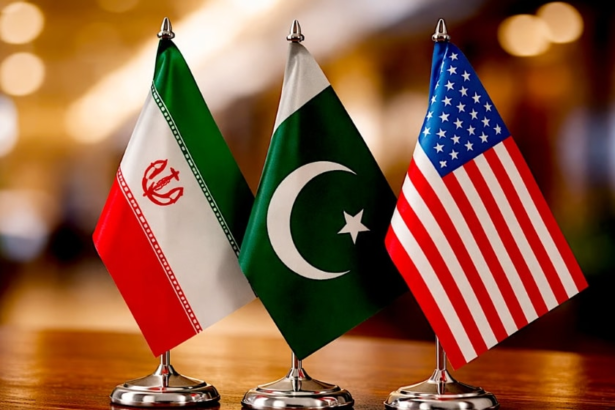
The leadership of Chief of Defence Forces (CDF) and Chief of the Army Staff (COAS) Asim Munir was the main reason for this success on many fronts. Senator Kakar pointed to the Field Marshal’s military skills and his ability to turn military wins into diplomatic power. This leadership has greatly improved Pakistan’s standing in the world. Pakistan is no longer seen only through the lens of regional fighting but as a stabilizing force. The country’s role as a bridge between Iran and the United States is a direct result of the respect earned during the May 2025 crisis. Global leaders have noticed this strength, which has led to more international cooperation.
The Outlook on Regional Stability
The webinar ended with a look at what comes next for South Asian security. Dr. Rabia Akhtar said that communication during a crisis must get faster to match modern technology. When missiles are in the air, traditional diplomacy can be too slow. Pakistan’s future plans will likely focus on ways to end a crisis quickly without losing strength. This involves better ways to send signals during a conflict and more work on protecting against digital and fake news attacks.
Senator Kakar and Lt. General Saeed agreed that the internal strength of Pakistan is now tied to its military success. The win has provided a sense of safety that is needed for the economy to grow. The guests noted that this new balance requires Pakistan to stay alert but also to use its new diplomatic influence to solve old problems. The fact that a ceasefire was reached shows that the world sees Pakistan as a responsible power that acts with control even when pushed.
Pakistan has changed how conflict works in South Asia. A focus on local technology, control of the narrative, and strong leadership produced this result. Ultimately, Youm-e-Marka-e-Haq is a reminder that Pakistan stayed strong against a superior numerical force. The webinar explained the complex military and political parts of the 2025 conflict as a story of growth. The participants concluded that while threats remain, the “Battle of Truth” has ensured that Pakistan will always face those threats from a position of strength.