Pakistan: Karachi and Sindhi Biryani
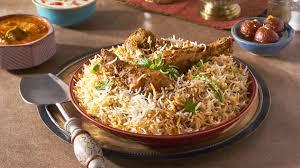
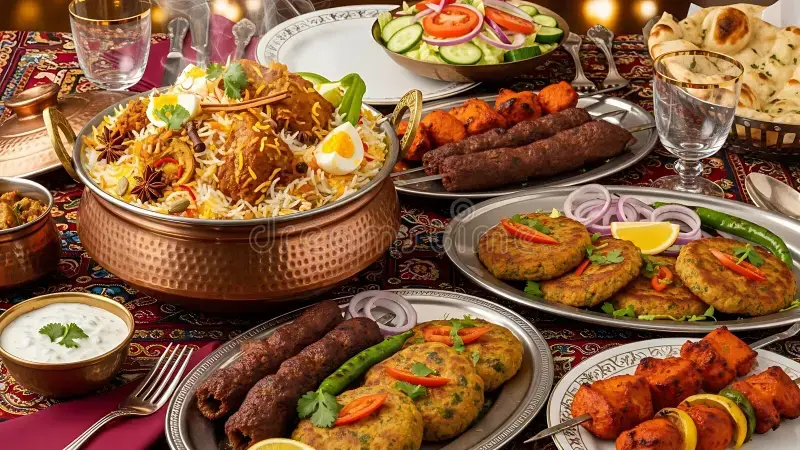
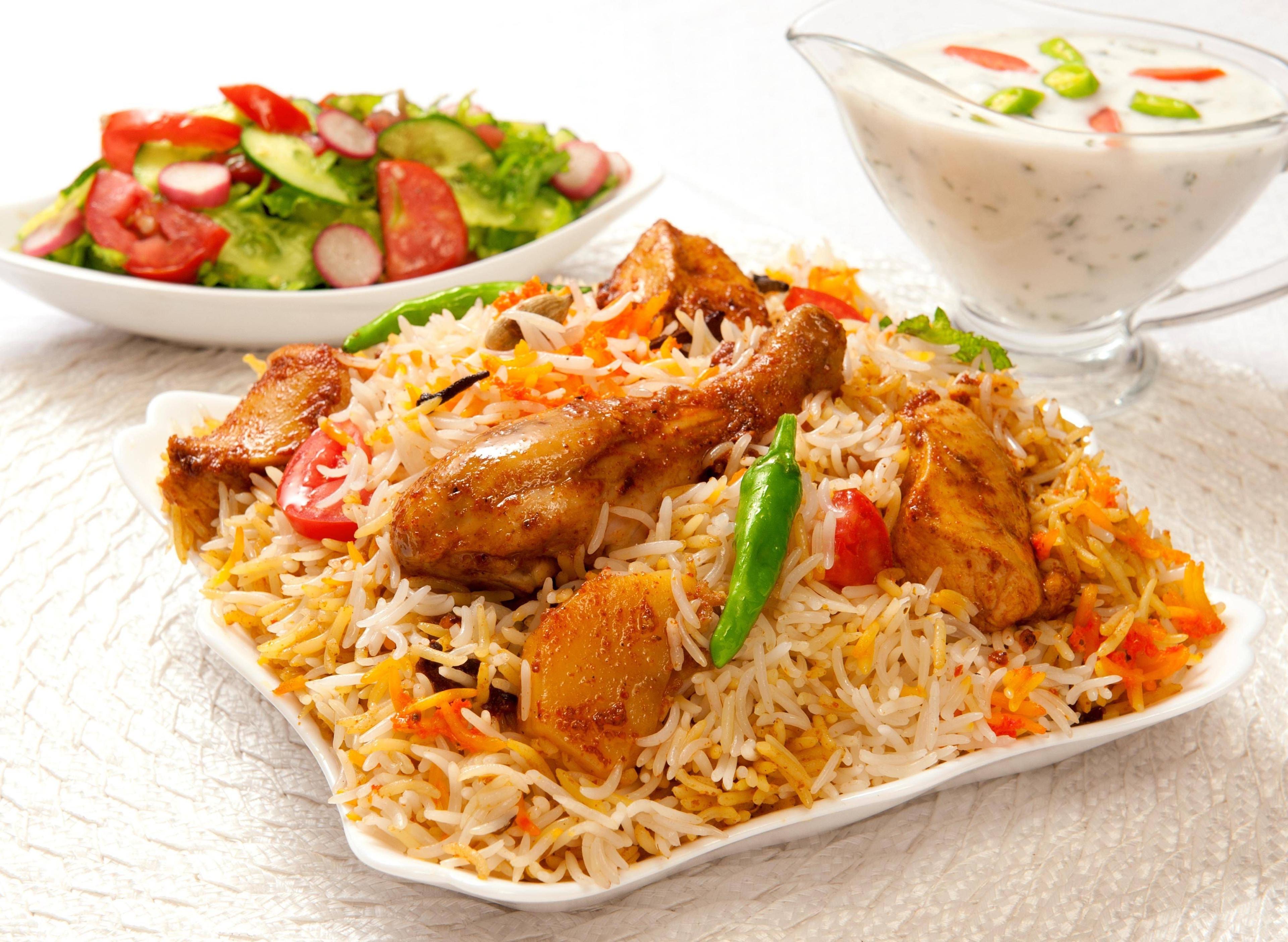
Potato or no potato. In Pakistan, this question shows up every time biryani is served. In Karachi, many people see potatoes as part of the dish. They soak up the masala and often disappear first. Others disagree and believe biryani should stay focused on rice and meat. Sindhi biryani leans bolder, with dried plums and whole spices adding depth. Beyond the debate, biryani in Pakistan is about comfort and memory. It shows up at weddings, family lunches and casual gatherings. It is familiar, dependable and deeply personal. The kind of food people defend and miss when they are away.
How One Dish Found a Home Everywhere
I don’t remember when the obsession began, but I have always found myself obsessed with biryani. Like, you can serve it to me every day and I can never get tired of it. Maybe that is why the most memorable lesson I learned in my Urdu adab class was about the origin of biryani.
Safe to say, biryani has always been about more than food. Long before it became the centerpiece of family gatherings or celebratory meals, it was a dish built for people on the move. Its roots trace back to Persian and Central Asian cooking, where rice and meat were prepared together to feed large groups efficiently. When these methods reached the Indian subcontinent during the Mughal period, they found new life. What began as practical nourishment for armies and royal camps slowly transformed as local spices, hands and memories shaped it. Over time, biryani left the camps and entered homes, carrying with it a sense of care, patience and shared experience.
What makes biryani special is how it continues to change without forgetting where it came from. Every place adds something of its own, turning a practical meal into something personal and loved.