The UAE’s Naseej initiative aims to turn 220,000 tonnes of annual textile waste into an economic resource worth recovering.
The UAE is gearing up to recycle more than 220,000 tonnes of textile waste every year and turn it into an economic resource. The plan sits at the center of a new national program called Naseej, the National Initiative for Textile Circularity. Minister of Economy and Tourism Abdulla bin Touq Al Marri told The National the effort could deliver a major financial boost to the country.
Bin Touq said the volume of textiles thrown away each year should be seen as a resource rather than a disposal problem. He said the discarded fabric can be reused through recycling and remanufacturing, then fed back into other industries. According to the minister, the recovered material can supply sectors such as furniture manufacturing and construction.
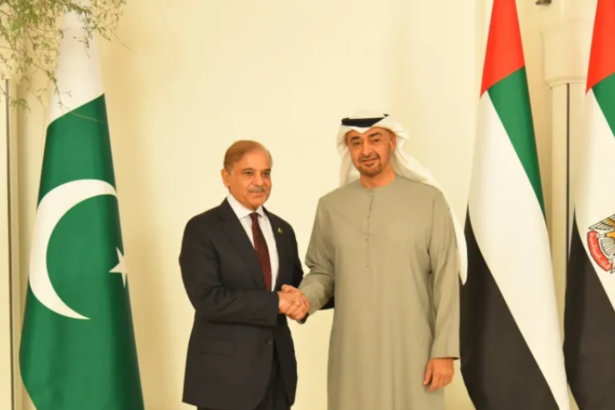
Naseej was launched under the directives of President Sheikh Mohamed bin Zayed Al Nahyan. It was formed through a partnership between the National Projects Office, the Ministry of Economy and Tourism, Emirates Foundation, and Tadweer Group. The name means fabric in Arabic. The strategic groundwork began at COP28 and progressed through agreements signed with partners across the textile industry.
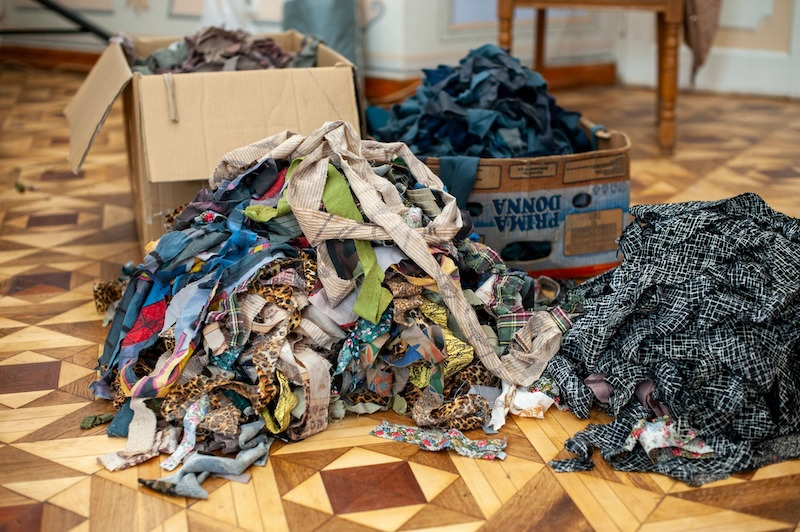
Official figures show the scale of the problem. The UAE generates about 220,000 tonnes of textile waste a year and consumes around 500 million textile items annually. The initiative estimates that 88 percent of discarded textiles currently end up in landfill. Authorities link the rising volume to population growth, higher consumption, and the spread of fast fashion.
Naseej is built to coordinate the response across the whole textile value chain. It brings together regulators, fashion brands, manufacturers, recyclers, research institutions and community organizations under one national platform. The program rests on five pillars, including collection and recycling, awareness and outreach, behavioral research, policies and regulations, and circular business and innovation.
Bin Touq said Naseej opens opportunities for investors and entrepreneurs through new investment, development, and industrial projects. He said the goal is to turn the textile sector into an integrated circular economy system. In that model, production waste from one factory becomes raw material for another, which keeps value inside the economy instead of sending it to landfill.
The minister said the recovered textiles can move into several industries at once. Beyond new clothing, the material can be processed into inputs for furniture and construction. He said this approach supports resource efficiency and reduces the need for new raw materials.
Officials want Naseej to position the UAE as a global reference point in the circular textile economy. Sheikha Mariam bint Mohamed, Deputy Chairwoman of the Presidential Court for National Projects, said the initiative reflects the UAE’s commitment to sustainability as a shared national responsibility. The government has framed the program as a way to combine economic growth with lower environmental impact.
The initiative also fits a wider national push on waste. In May 2025, the UAE launched a campaign to measure food loss and waste through its Ne’ma initiative, which targets halving food waste by 2030. The initiative extends that thinking to clothing and fabric.
UAE Textile Waste and Landfill Targets
Naseej supports the UAE Circular Economy Policy 2031. Under that policy, the country aims to divert 80 percent of its waste away from landfill by 2031. Tadweer Group is working to close 11 landfill sites within three years as part of the same effort.
Tadweer Group chief executive Etienne Petit said separating textiles at the source is critical to making recycling work. He said textiles that mix with food or cardboard become contaminated and can no longer be recycled. He said almost all textile waste generated today still reaches landfill, with only limited recycling taking place. Naseej aims to change that by building dedicated collection systems and recycling pathways for unwanted clothing and fabric.
The initiative introduced itself to the public through a three-day event called The Fabric of Possibility, held from June 5 to 7 at Yas Mall in Abu Dhabi. Visitors received reusable bags made from upcycled kandura fabric and could return unwanted textiles for recycling. The displays showed how discarded clothing can be transformed into new products and raw materials. Organizers used the event to encourage residents to rethink how they buy, use, and dispose of clothing.
The government plans to expand collection and recycling capacity over the coming years. The program calls for participation from households, retailers, and manufacturers across the country to reach the 2031 targets.