
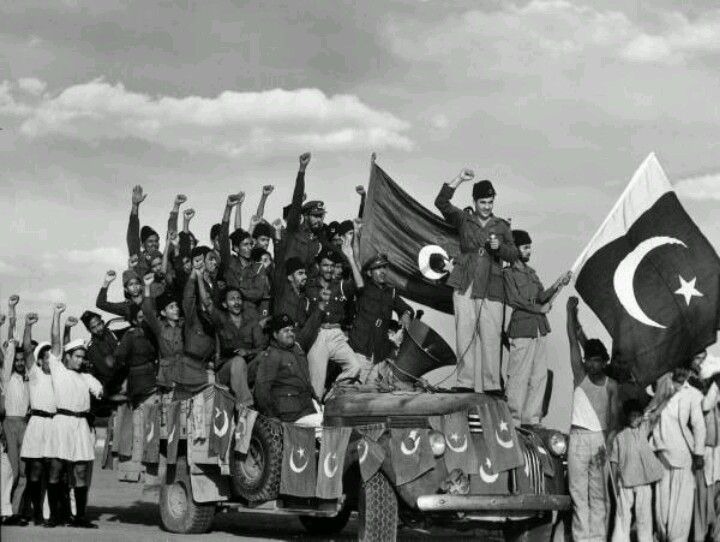
For many Pakistanis, the fact that the nation came into being on one of the holiest nights of the Islamic calendar carries a meaning that has only deepened with time.
Every nation carries stories about its founding, and some of the most treasured are the ones that feel touched by something larger than politics or paperwork. For Pakistan, one such story lives in the calendar itself. When the country came into being at the stroke of midnight on 14 August 1947, that moment fell on the 27th night of Ramadan, one of the most sacred nights in the entire Islamic year. For generations of Pakistanis, that alignment has felt like a quiet blessing woven into the very beginning of the nation.
It is worth being clear about what this is and what it is not. The timing was a coincidence rather than the reason the date was set, and honest history should say so. But coincidences can still carry deep meaning for the people who cherish them, and this one has been embraced warmly across Pakistan ever since. To understand why, it helps to understand what the 27th night of Ramadan means to Muslims around the world.
The Significance of the 27th Night of Ramadan
Ramadan is the holiest month in the Islamic calendar, a time of fasting, prayer, reflection and charity observed by Muslims everywhere. Within that month, the final ten nights hold special weight, and among them one night stands above all others. It is known as Laylat al-Qadr, often translated as the Night of Power or the Night of Decree.
Laylat al-Qadr is regarded as the holiest night of the year, the night on which, according to Islamic tradition, the first verses of the Quran were revealed. The Quran describes it as a night better than a thousand months, a time when prayers are believed to carry immense value and blessings are said to descend in abundance. While its exact date is not fixed, it is most commonly associated with the 27th night of Ramadan, and it is on this night that mosques fill and the faithful devote themselves to worship, seeking closeness and mercy.
For a country founded in the name of a shared faith and a distinct identity, the idea that its first breath was drawn on such a night resonated immediately and powerfully. It gave the birth of the nation a spiritual dimension that many Pakistanis have held close ever since.
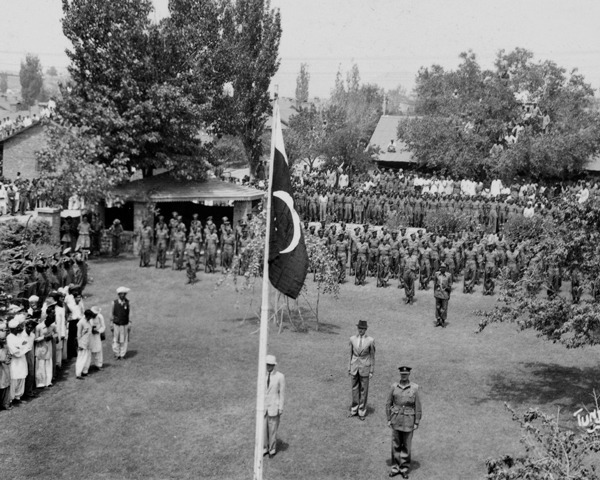
A Coincidence That Became a Cherished Symbol
In the years that followed independence, this alignment took on the quality of a national symbol. It became part of how people spoke about the country’s origins, a detail passed down in families and recalled each August, adding a sense of grace to an already momentous occasion.
There is a reason it endured. The founders of Pakistan had envisioned a homeland where people could live according to their beliefs and shape their own future. To have that homeland arrive on the Night of Power, however coincidental, felt to many like a fitting and hopeful sign, as though the aspirations behind the nation and the sacred calendar had briefly touched. It is the kind of detail that turns a date into a story, and a story into something people carry in their hearts.
That embrace says something about the spirit of those early days. A young nation, facing enormous challenges and an uncertain road ahead, found comfort and pride in the sense that its beginning had fallen on a night of blessing. It was a source of optimism at a moment when optimism mattered enormously.
How Pakistanis Remember the Timing Each August
Today, when Pakistanis mark Independence Day on 14 August, the connection to the 27th night of Ramadan remains part of the wider tapestry of how the country remembers its birth. Because the Islamic calendar is lunar, Ramadan moves through the seasons year by year, so the two occasions no longer fall together as they did in 1947. Yet the memory of that original alignment stays alive in the retelling.
It endures because it speaks to something people value, the idea that their nation began on a note of hope and blessing. Whether one sees it as a beautiful coincidence or as something more, its significance lies in what it has meant to the people who hold it dear. And that, in the end, is how nations build their most treasured stories, not only from the facts of what happened, but from the meaning they choose to draw from them.
As another Independence Day arrives, the tale of that sacred timing offers a gentle reminder of the hope and faith that surrounded Pakistan’s earliest moments, and of the pride that continues to accompany them decade after decade.