


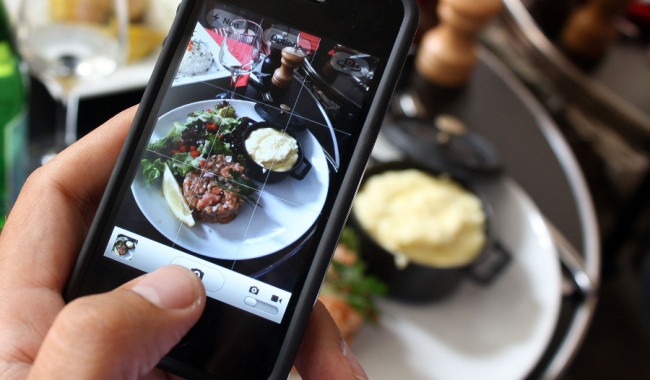
Food has always been something we experience with our senses, but social media has added a new one to the mix: the camera. Before taking a bite, people increasingly take a picture, record a video or share their meal online. A dish can go from being served in one restaurant to appearing on thousands of screens within days. This is how “viral food” has become a major part of modern food culture.
Platforms such as Instagram and TikTok have played an important role in this shift because food is naturally visual. Bright colors, melted cheese, layers, textures, unusual shapes and creative plating can make people stop scrolling. But what actually makes a food “Instagrammable”? It is not always about making something as strange or extravagant as possible. Research suggests that the visual appeal of food is influenced by several factors, including color, composition, familiarity and complexity.
A 2023 study that analyzed 53,894 images from 90 popular food influencer accounts found that visual aesthetics and calorie density were important predictors of engagement. The researchers also found that characteristics such as color and visual complexity were associated with how much engagement food images received.
Color is particularly important. Think about the foods that tend to catch your attention online: a bright red strawberry dessert, a bowl filled with colorful vegetables, a vibrant matcha drink or a golden, crispy piece of fried chicken. Color creates an immediate visual impression. Research on food photography has found that certain colors and a moderate amount of color variety can influence how appealing people find a food photograph.
But there is an interesting twist. Being visually unusual does not automatically make a food more successful online. Research published in the Journal of Business Research examined Instagram posts from more than 850 restaurants around the world and found that images showing more typical and recognizable food were associated with greater engagement. The researchers suggested that familiar-looking food can be easier for people to mentally process, which can contribute to more positive responses.
That explains why a simple burger can sometimes perform better than an elaborate dish that most people have never seen before. People already know what a burger is, but a particularly well-presented one can still make them curious. A perfectly stacked burger, a slice of pizza with cheese stretching as it is pulled apart, or a dessert showing several distinct layers can turn something familiar into something worth photographing.
Presentation matters too. The arrangement of food can make a photograph easier and more enjoyable to look at. Researchers studying food photography have examined factors such as brightness, composition, color and complexity when looking at why some food images receive more engagement than others. One study found that photographs using the “rule of thirds” were more likely to be considered aesthetically appealing, while moderate color variety was also associated with greater likability.
This has changed the role of the person sitting at the restaurant table. Customers are no longer simply eating a meal; they can also become part of a restaurant’s marketing. When someone photographs their food and posts it online, they are creating user-generated content that can introduce the restaurant to an entirely new audience.
Research published in the Journal of Interactive Marketing found that posting food photographs can positively influence consumers’ dining experiences and evaluations of restaurants. The study identified self-expression as one factor that helps explain why people photograph and share their food.
In other words, posting food is not necessarily just about showing what is on the plate. It can also be a way of sharing an experience. A beautifully decorated café, an elaborate dessert or a meal at a popular restaurant can become part of someone’s social media identity and personal story.
This can also affect where people decide to eat. A 2026 study published in the International Journal of Hospitality Management looked at how user-generated food photographs influence tourists’ restaurant decisions. The research found that aesthetic appeal and familiarity can interact when people are deciding where and what to eat. Visually appealing photographs of unfamiliar foods were particularly capable of creating interest in trying the food shown.
The influence of viral food does not stop at restaurants. Social media has also changed what people cook at home. Recipes and cooking videos can spread rapidly, turning relatively ordinary dishes into trends. A 2026 survey of 2,000 American adults found that 71% said cooking videos had inspired them to try new foods, while 47% said they tried at least one viral dish each month. The survey also found that more than half of respondents used social media as a modern cookbook.
This creates a cycle that can be surprisingly powerful. Someone creates an appealing dish. A customer photographs it. The photograph becomes a TikTok or Instagram video. Other people see it, share it and become curious. Some visit the restaurant, while others try to recreate the dish at home. Their own posts then introduce the food to even more people.
The pickle trend is one example of how social media can contribute to interest in unusual food combinations. Pickle flavors have expanded beyond traditional pickles into snacks, drinks and other products, with social media contributing to the visibility of these combinations.
However, going viral does not necessarily mean a food will remain popular. Social media trends move quickly. One week, everyone may be talking about a particular dessert; the next, attention can shift to a completely different ingredient or recipe. This makes viral food culture both powerful and unpredictable.
At its core, the rise of viral food shows how closely eating and sharing have become connected. Taste still matters, but appearance can determine whether someone notices a dish in the first place. Familiarity can make it easier to understand, while color, texture, composition and presentation can make it memorable.
The most Instagrammable food, therefore, is not necessarily the most expensive, complicated or unusual. Sometimes, it is simply something familiar presented in a way that makes people look twice. In a world where food increasingly competes for attention on a screen, a dish that looks good, feels recognizable and tells a visual story has a better chance of becoming more than just a meal. It can become a trend.


