


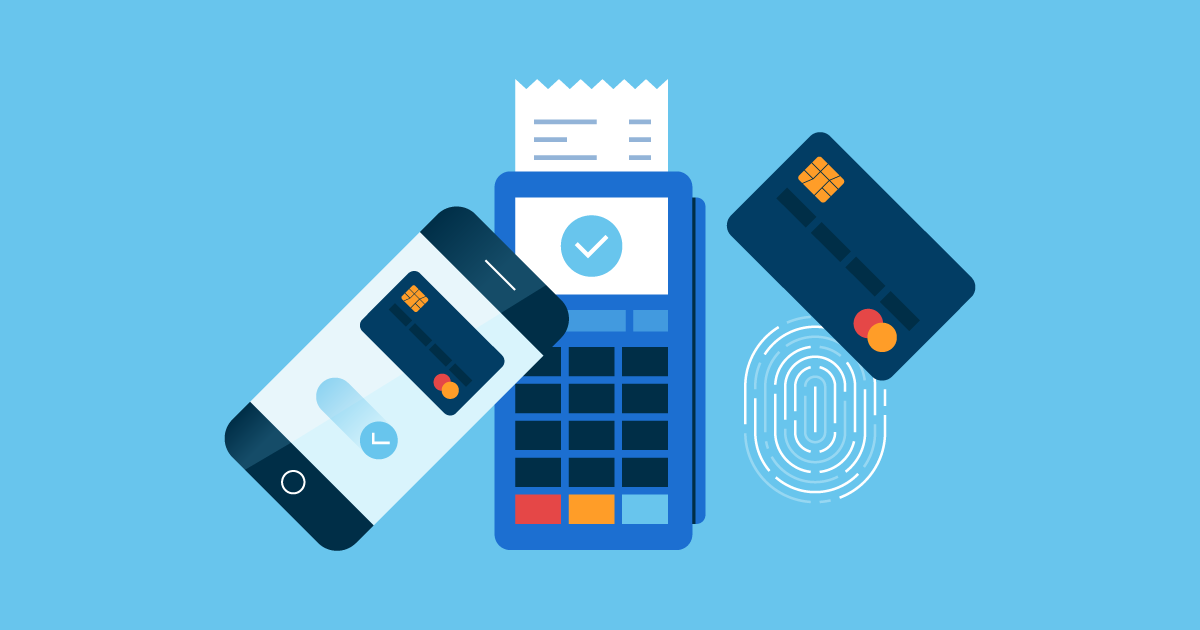
For centuries, cash has been one of the simplest ways to buy goods and services. Today, however, a growing share of everyday transactions happens without physical money. Bank cards, mobile wallets, instant transfers and QR-code payments have made it possible to pay for everything from groceries to restaurant meals with a tap or a scan. The shift has accelerated worldwide, raising an important question: are societies moving toward a completely cash-free future?
The evidence shows that digital payments are growing rapidly. According to the Bank for International Settlements, the use of cashless payments continues to increase globally. In emerging and developing economies, credit transfers are among the fastest-growing cashless payment methods, while card payments are a major driver of growth in advanced economies. At the same time, cash withdrawals are declining, although the amount of physical cash circulating in economies has largely stabilised.
The growth of digital payments has been particularly visible in countries with widespread mobile and instant-payment systems. India, for example, has seen enormous growth in its Unified Payments Interface, or UPI, which allows users to transfer money directly between bank accounts using mobile applications. Such systems have made small digital transactions faster and more accessible, reducing the need for people to carry physical currency.
The COVID-19 pandemic also accelerated changes in payment behaviour. Contactless payments and online shopping became more common as consumers and businesses adapted to restrictions and changes in shopping habits. Although the use of cash has continued to fall in many markets since then, it has not disappeared.
Europe provides a useful example. The European Central Bank’s 2024 study of payment behaviour found that cash was still used for 52% of point-of-sale transactions in the euro area, down from 59% in 2022 and 72% in 2019. Cards accounted for 39% of point-of-sale transactions, while mobile payments represented 6%. Cash remained particularly common for smaller purchases.
This suggests that becoming a cashless society is not simply a matter of replacing notes and coins with smartphones. Cash continues to serve purposes that digital payments cannot always replicate. It does not require an internet connection, a charged phone or access to a bank account. It can also provide a payment option for people who have limited access to digital financial services.
Privacy is another important consideration. Digital transactions create electronic records, while cash transactions generally do not create the same type of digital trail. As societies become increasingly dependent on electronic payments, questions surrounding data protection, cybersecurity and financial access are becoming more important.
There is also the issue of technological dependence. Digital payment systems rely on banks, telecommunications networks, electricity and payment infrastructure. A major technical failure or disruption could temporarily affect people’s ability to make transactions. Physical cash can provide an alternative during such situations.
For businesses, however, digital payments can offer significant practical advantages. Electronic transactions can reduce the need to handle, store and transport physical cash. They can also make it easier for businesses to record sales and reconcile payments. Consumers benefit from convenience, faster transactions and the ability to make purchases without carrying cash.
Still, the evidence does not point to an imminent disappearance of cash. Even in economies where digital payments dominate, cash remains part of everyday life. The Bank for International Settlements’ 2026 analysis found that although cash withdrawals are declining, cash in circulation has largely stabilised.
The future is therefore more likely to be less cash-dependent rather than completely cash-free. Digital payments will probably continue expanding as technology improves and more consumers and businesses adopt them. However, the continued use of cash shows that physical money still has a role to play.
The rise of cashless societies is not really about whether cash will suddenly disappear. It is about how the balance between cash and digital payments is changing. For now, the evidence suggests that the world is becoming increasingly cashless, but it is not yet becoming completely cash-free.