


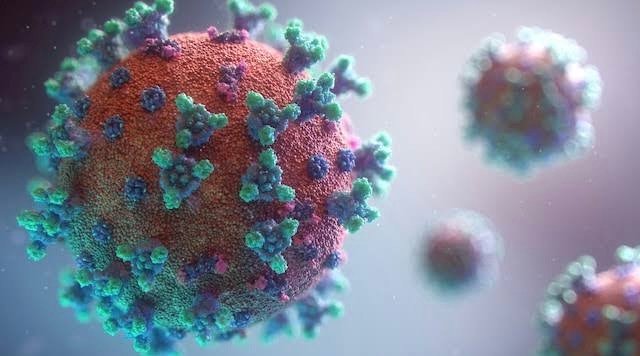
A new COVID-19 variant, identified as PJ.2.1, is drawing attention from health researchers following its detection in several countries. First identified in Canada in May 2026, the variant has subsequently been reported in parts of North America, Europe, Asia and Australia. Its spread has prompted closer monitoring as scientists investigate its genetic characteristics, transmissibility and potential impact on public health.
According to a study published in the Journal of Infection in October 2026, PJ.2.1 is a novel saltation variant that originated from MC.10.1.7, a descendant of the JN.1 Omicron lineage. Saltation variants are characterised by substantial genetic changes that distinguish them from their earlier viral ancestors.
The first recorded detection of PJ.2.1 was in Ontario, Canada, on May 2, 2026. Additional infections were subsequently identified in other Canadian provinces, including Alberta, British Columbia and New Brunswick.
On June 30, 2026, the variant was detected in the United States, beginning with a reported case in New York City. Subsequent detections were recorded in several other states, including California, Arizona, New Jersey, Virginia, North Carolina, Missouri, Oklahoma, Colorado and Florida.
Beyond North America, PJ.2.1 has also been identified in Singapore, Australia, New Zealand, Israel, France and Spain. Researchers have reported evidence of local transmission chains in parts of Spain.
Wastewater surveillance in the United States has also indicated increasing circulation of the variant. Researchers described PJ.2.1 as the fastest-growing variant in the country at the time of their study.
The symptoms associated with PJ.2.1 appear similar to those reported with other COVID-19 variants and common respiratory infections.
Reported symptoms include:
- Fever and chills
- Sore throat
- Runny or blocked nose
- Persistent cough
- Headache
- Muscle and body aches
- Fatigue and tiredness
Because these symptoms overlap with influenza and other respiratory infections, it is not possible to identify PJ.2.1 based on symptoms alone. COVID-19 testing can establish whether someone is infected with SARS-CoV-2, while specialised genetic sequencing is required to identify the specific variant.
Researchers are examining PJ.2.1 because of the number of mutations identified in its spike protein. The spike protein plays an important role in allowing SARS-CoV-2 to attach to human cells through a receptor known as ACE2.
Laboratory experiments reported in the October 2026 study indicated that PJ.2.1 has an increased ability to interact with the ACE2 receptor. This characteristic may contribute to its spread.
However, increased receptor interaction does not necessarily mean the variant causes more severe illness. The study did not find substantially greater resistance to antibodies from individuals who had received an LP.8.1-adapted vaccine compared with most other variants examined.
As of November 2026, available evidence has not established that PJ.2.1 causes more severe disease or higher hospitalisation rates than previously circulating variants. Its clinical impact requires further investigation through epidemiological and hospitalisation data.
Health experts continue to recommend established COVID-19 prevention measures. People experiencing respiratory symptoms should consider testing, avoid close contact with others while unwell and seek medical advice if their condition worsens.
Older adults, people with weakened immune systems and individuals with underlying medical conditions remain at greater risk of complications from COVID-19.
Wearing well-fitting masks in crowded indoor environments, maintaining adequate ventilation, practising hand hygiene and keeping vaccinations up to date are among the recommended precautions.
Scientists continue to monitor PJ.2.1 as additional surveillance data becomes available. Its geographical spread and genetic characteristics are being investigated to understand how it compares with other circulating SARS-CoV-2 lineages.
Although its emergence has attracted international attention, current findings do not establish that PJ.2.1 is more dangerous than previous variants. Further research and continued genomic surveillance will be important in determining its long-term public health significance.