


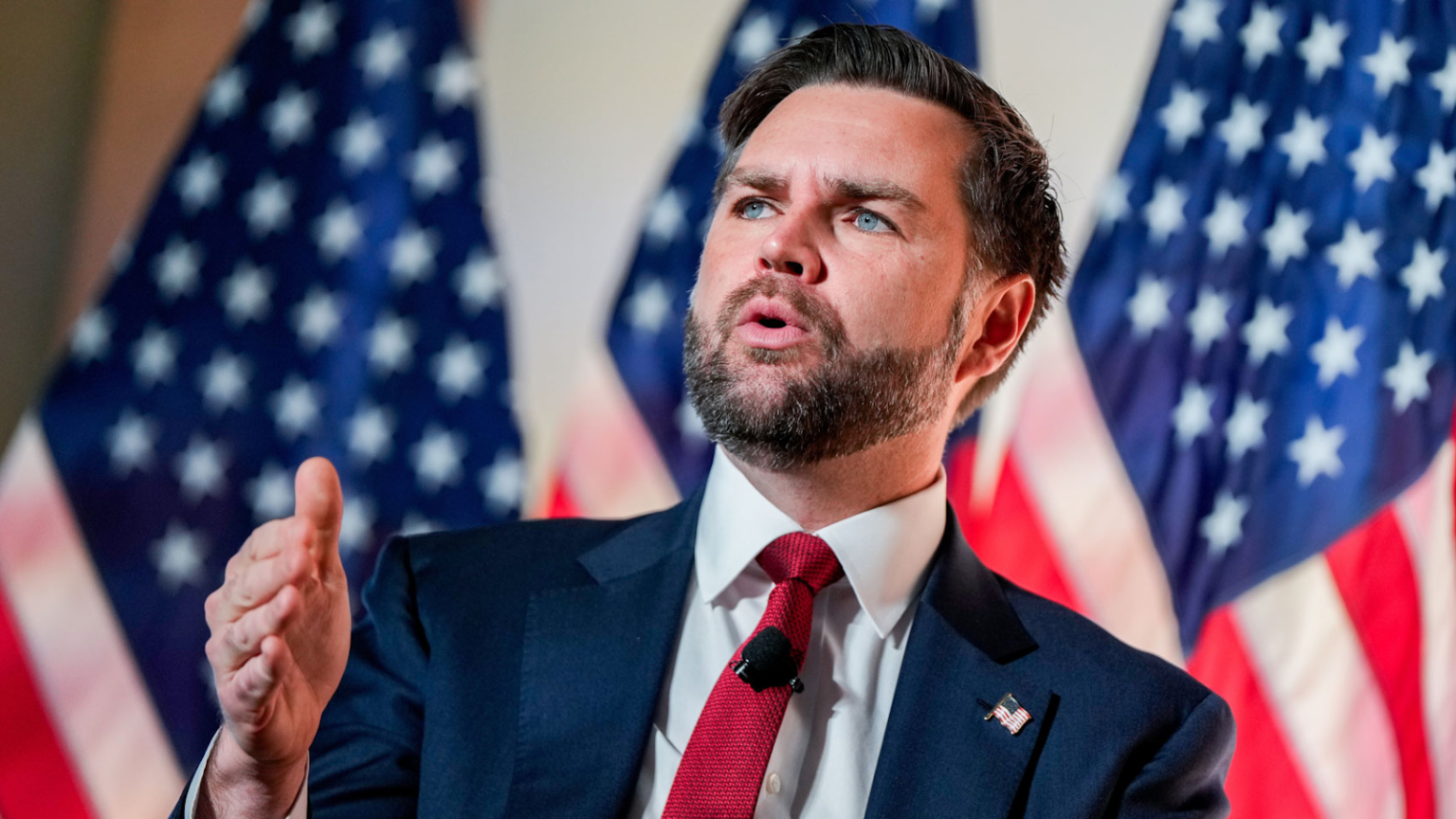

The White House announced on Wednesday, April 8, that Vice President JD Vance will lead a US delegation to Islamabad, Pakistan, for the first round of face-to-face peace talks with Iran. The negotiations are scheduled to begin on Saturday morning local time, April 11.
Special envoy Steve Witkoff and senior adviser Jared Kushner will join Vance in the delegation. White House Press Secretary Karoline Leavitt confirmed the trip during a press briefing on Wednesday.
The Islamabad talks follow a two-week ceasefire between the US and Iran announced on Tuesday, April 7, less than two hours before President Donald Trump’s deadline for Iran to reopen the Strait of Hormuz or face strikes on its civilian infrastructure.
Pakistani Prime Minister Shehbaz Sharif and Army Chief Field Marshal Asim Munir brokered the ceasefire after weeks of backchannel mediation. Sharif invited both delegations to Islamabad to negotiate a final agreement.
Iran’s delegation is expected to be led by Parliament Speaker Mohammad Baqer Qalibaf, alongside Foreign Minister Abbas Araghchi. Iran submitted a 10-point proposal that the US has called a “workable basis on which to negotiate.”
The ceasefire halted 40 days of US-Israeli strikes on Iran. Under the terms, Iran agreed to allow safe passage through the Strait of Hormuz during the two-week window.
Trump Raises Security Concerns Over Vance Pakistan Visit
Despite the White House confirmation, Trump suggested in an interview with the New York Post that Vance may not attend due to safety concerns. “We’ll have Steve Witkoff, Jared Kushner, JD, maybe JD, I don’t know. There’s a question of safety, security,” he said.
Vance, speaking to reporters while departing Budapest after a visit with Hungarian Prime Minister Viktor Orban, described the ceasefire as a “fragile truce.” He added that if Iran does not follow through on its commitments, “they’re going to see some serious consequences.”
Pakistani authorities have begun stepping up security in Islamabad, deploying additional police and paramilitary forces. Authorities have also placed shipping containers along key roads leading to the city’s Red Zone, where government buildings and foreign embassies are located.
The talks are being described as the highest-level meeting between the US and Iran since the 1979 Islamic Revolution. Pakistan’s role as mediator has placed Islamabad at the center of a diplomatic effort involving multiple regional and global players, including Turkey, Saudi Arabia, Egypt and China.