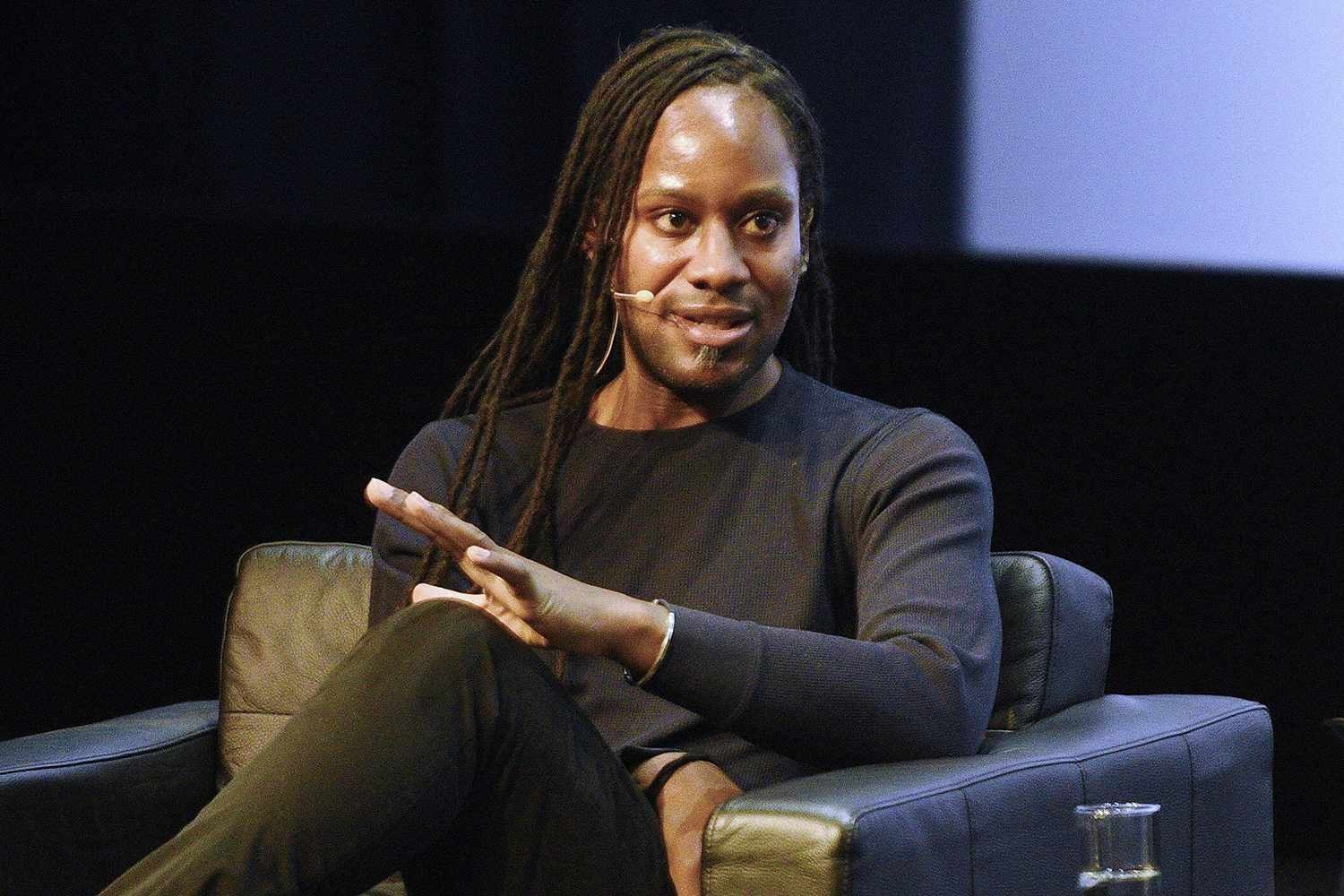
Nathan Cofnas, the academic who publicly raised plagiarism allegations against former University of Cambridge professor Jason Arday, has been suspended by Ghent University in Belgium while the institution conducts a preliminary disciplinary investigation.
Cofnas, an American postdoctoral researcher at Ghent University, announced his suspension on August 20, 2026. He said he was being investigated for discrimination in connection with his public statements about Arday. Ghent University confirmed that a postdoctoral researcher involved in the matter had been suspended as a precaution while it assessed whether there were sufficient grounds for further disciplinary proceedings. The university did not provide details about the personnel case because of confidentiality requirements.
The development comes days after Arday, 41, was found dead in London. Arday had resigned from his professorship at Cambridge earlier in August following public scrutiny of allegations concerning his academic work and professional background. Police said his death was unexpected but was not being treated as suspicious.
The controversy began in July when Cofnas published allegations concerning Arday’s 2015 doctoral thesis. Cofnas claimed that parts of the thesis contained passages that closely resembled earlier academic work. Reports said his analysis included comparisons with a 2009 dissertation by Paula Zwozdiak-Myers. The allegations attracted widespread attention and led to further public scrutiny of Arday’s academic career.
Arday denied plagiarism but acknowledged mistakes in his academic work. Cambridge subsequently began examining allegations relating to his appointment and academic record. However, Arday resigned before the university’s investigation was completed. Therefore, the allegations had not been conclusively established by Cambridge when he left the university.
Arday had joined Cambridge in 2023 and was described as the university’s youngest Black professor. His appointment and career had previously received significant attention because of his academic work on race, inequality and education. Following the plagiarism allegations, however, scrutiny expanded beyond his doctoral thesis to other claims associated with his professional biography and career.
The intense public debate continued after his resignation. Arday’s family said that he had been subjected to misinformation and harassment and that the campaign against him had taken a significant toll. Thousands of people later attended a vigil in London following his death.
Ghent University has stressed that its decision to suspend Cofnas does not amount to a final finding of misconduct. The university said it supports academic freedom and open academic debate, including when opinions are controversial. At the same time, it said academic freedom carries responsibilities and can be restricted to protect the rights of others.
The suspension has also prompted debate over academic freedom and the treatment of whistleblowers. Cofnas has argued that his actions involved exposing alleged academic misconduct. Other commentators have questioned whether his public statements crossed the boundaries of academic criticism and became discriminatory.
The case therefore involves two separate unresolved questions: the accuracy and significance of the allegations made about Arday’s academic work, and whether Cofnas’s conduct violated Ghent University’s rules. The suspension addresses the second issue and does not establish whether his original allegations about Arday were correct or incorrect.
For now, Ghent University’s disciplinary process remains preliminary. The institution has said it will determine whether there are sufficient grounds to refer the case to the appropriate disciplinary body. Until that process is completed, Cofnas has not been found guilty of discrimination or other misconduct.