



Pakistan has shared a ceasefire proposal with the United States and Iran aimed at ending hostilities and reopening the Strait of Hormuz, according to a source familiar with the plan who spoke to Reuters.
The framework, prepared by Pakistan, was shared overnight with both sides and outlines a two-phase approach: an immediate ceasefire followed by a broader, comprehensive agreement.
What Pakistan’s Ceasefire Framework Includes
The proposed deal, tentatively referred to as the ‘Islamabad Accord,’ would see a ceasefire take effect immediately, with the Strait of Hormuz reopening and a 15-to-20-day window to finalise a broader settlement. A regional framework governing security in the strait is also part of the plan, with final in-person talks scheduled in Islamabad.
Pakistan’s army chief, Field Marshal Asim Munir, has been in continuous contact with US Vice President JD Vance, special envoy Steve Witkoff, and Iranian Foreign Minister Abbas Araghchi throughout the night, the source told Reuters.
Pakistan is serving as the sole communication channel in the talks, with the initial understanding expected to take the form of a memorandum of understanding finalised electronically.
The broader agreement is expected to include commitments from Iran to refrain from pursuing nuclear weapons in exchange for sanctions relief and the release of frozen assets, according to sources cited by Reuters.
Iran’s Response and Key Sticking Points
Iran sent a 10-point response to the proposals through Pakistani mediators, according to Iranian state news agency IRNA.
The Iranian response included demands for an end to conflicts across the region, a protocol for safe passage through the Strait of Hormuz, the lifting of sanctions, and reconstruction.
Iran’s foreign ministry spokesperson Esmaeil Baghaei said Tehran had formulated its positions and demands but added that negotiations were incompatible with ultimatums and threats. A senior Iranian official told Reuters that Iran will not reopen the Strait as part of a temporary ceasefire, nor accept deadlines or pressure to reach a deal. The official added that Washington lacked the readiness for a permanent ceasefire. Tehran has repeatedly stated it is seeking a permanent end to hostilities with guarantees against future US and Israeli attacks.
Washington’s Position
Trump told reporters at the White House that the proposal was “not good enough” but called it a significant step. A White House official described the Pakistani proposal as one of many ideas being considered, adding that Trump had not signed off on it.
Trump said it was highly unlikely he would extend his deadline again. He has threatened to strike Iranian power plants, bridges, and other infrastructure if a deal is not reached by Tuesday at 8pm Eastern Time.
UAE and GCC Involvement
Anwar Gargash, a senior policy adviser to the UAE leadership, said his country wants to see an end to the conflict but one that does not create continuous instability in the region.
The UAE has joined Bahrain in calling for UN Security Council action on the Strait of Hormuz, stressing that each day without action brings the world closer to a wider crisis. Bahrain has proposed a draft resolution that would authorise states to use all necessary measures to assure free transit through the waterway. However, the measure has divided the 15-member Security Council, with Russia, China, and France reportedly voicing objections.
Oil prices hovered around $110 per barrel on Tuesday as the deadline loomed, with the closure of the strait, which handles roughly a fifth of the world’s oil and natural gas supply, continuing to drive volatility in global energy markets.
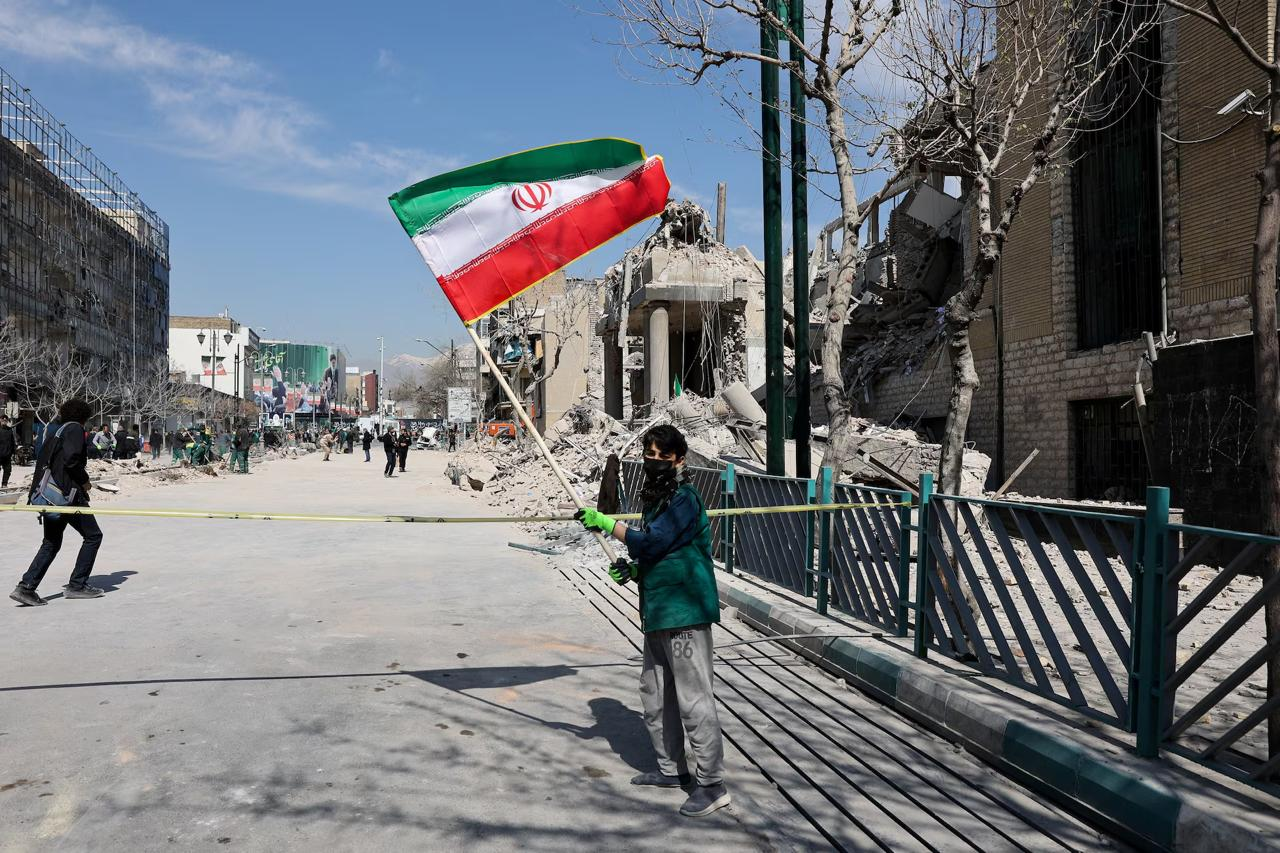
More than 2,000 people have been killed in Iran since the war began on February 28, according to Iranian authorities. The US-based rights group HRANA has put the figure at 3,546. Military operations by both sides continue, with strikes reported across Iran and the wider region even as diplomatic efforts intensify.