7 Brain Health Foods Experts Say You Should Be Eating
Dietitians say these seven everyday foods can protect your memory, sharpen your focus, and support long-term cognitive health.
Mar 22, 2026
You do not need a complicated supplement stack or an expensive wellness routine to protect your brain. According to nutrition experts, the most powerful thing you can do is eat the right foods consistently. And most of them are probably already at your grocery store.
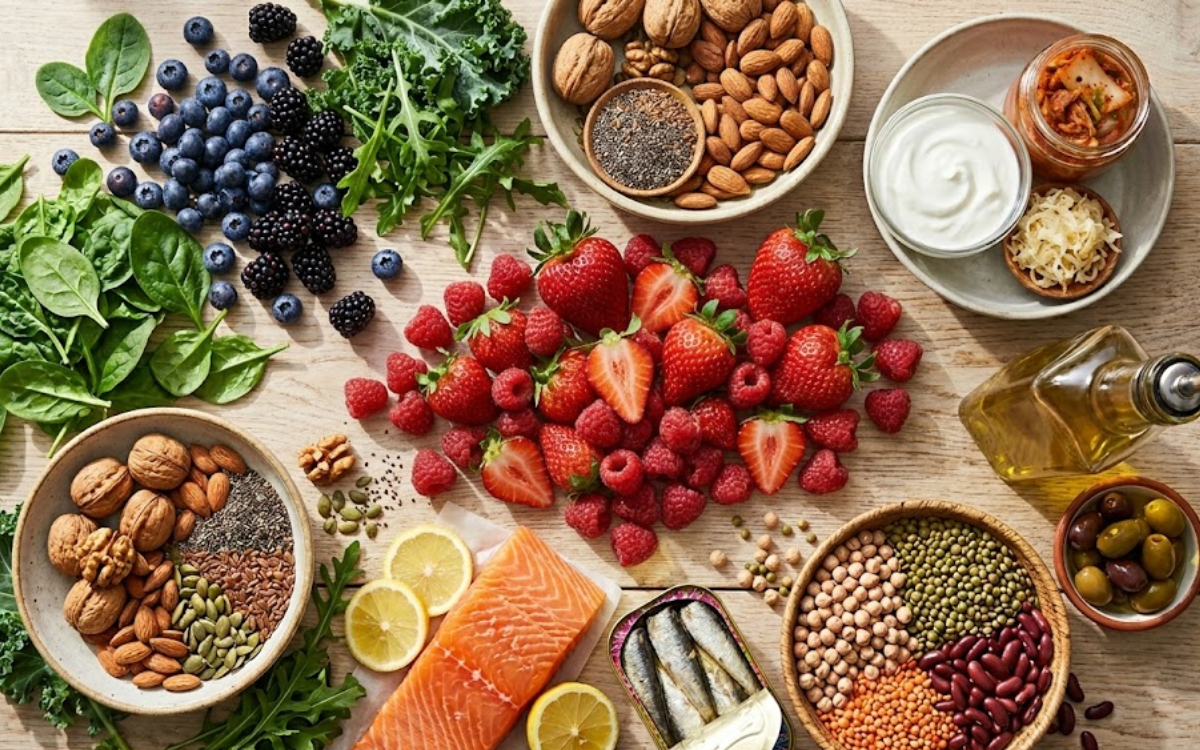
Dietitians Dawn Jackson Blatner, RDN, and Melanie G. Murphy Richter, MS, RDN, break down the foods that show up most reliably in brain health research, and explain why your overall eating pattern matters more than any single item on the list. Research on dietary patterns like the Mediterranean and MIND diets consistently links plenty of colorful plants, fish, whole grains, nuts, and olive oil to better long-term cognitive health.
Foods For A Healthy Brain
Berries
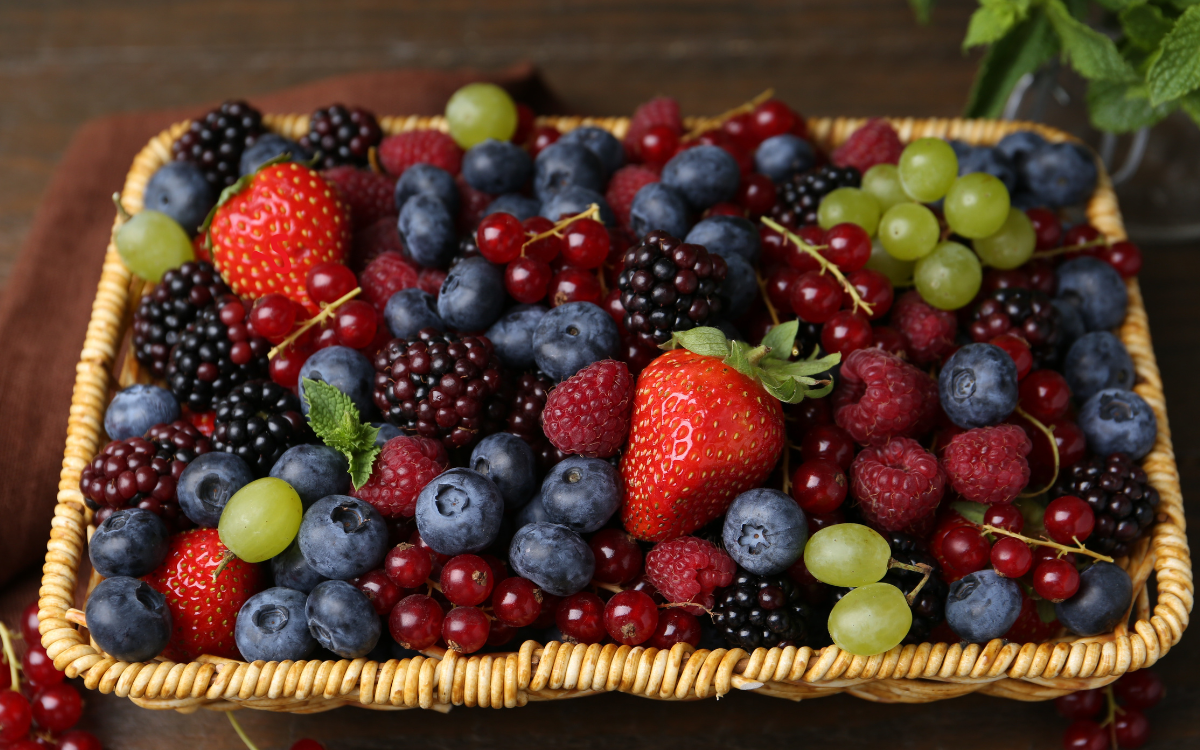
Small but serious. Berries are packed with anthocyanins, plant compounds linked to slower cognitive decline, along with polyphenols that protect brain cells from oxidative stress.
"Colorful plants such as berries and leafy green vegetables provide antioxidants that help protect brain cells from oxidative stress," says Blatner. Those antioxidants also support healthy blood flow to the brain, which is critical for memory and focus. Toss them into yogurt, blend them into smoothies, or sprinkle them over oatmeal.
Leafy Greens
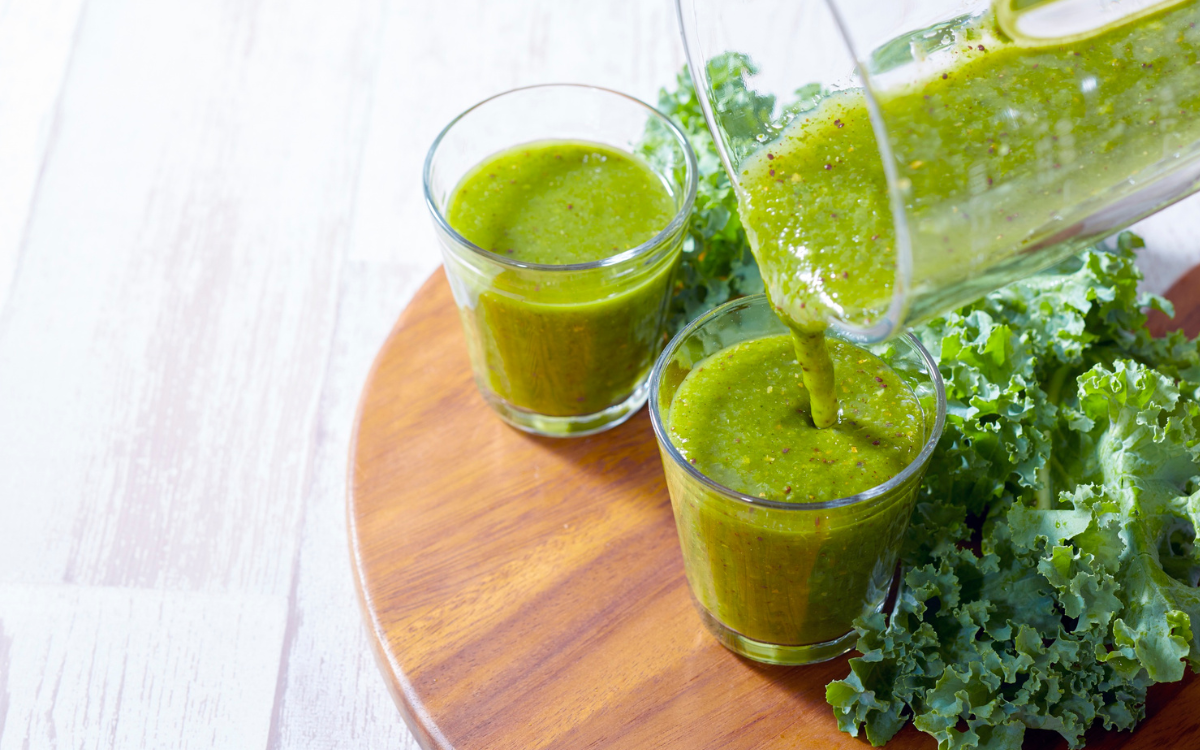
Spinach, kale, and arugula are regulars in cognitive aging research for good reason. They are rich in folate, vitamin K, and antioxidants that support brain function over time. Richter points out that the pigments giving plants their color are often powerful antioxidants that support healthy circulation to the brain. A handful added to salads, eggs, or smoothies gets you there fast.
Fatty Fish
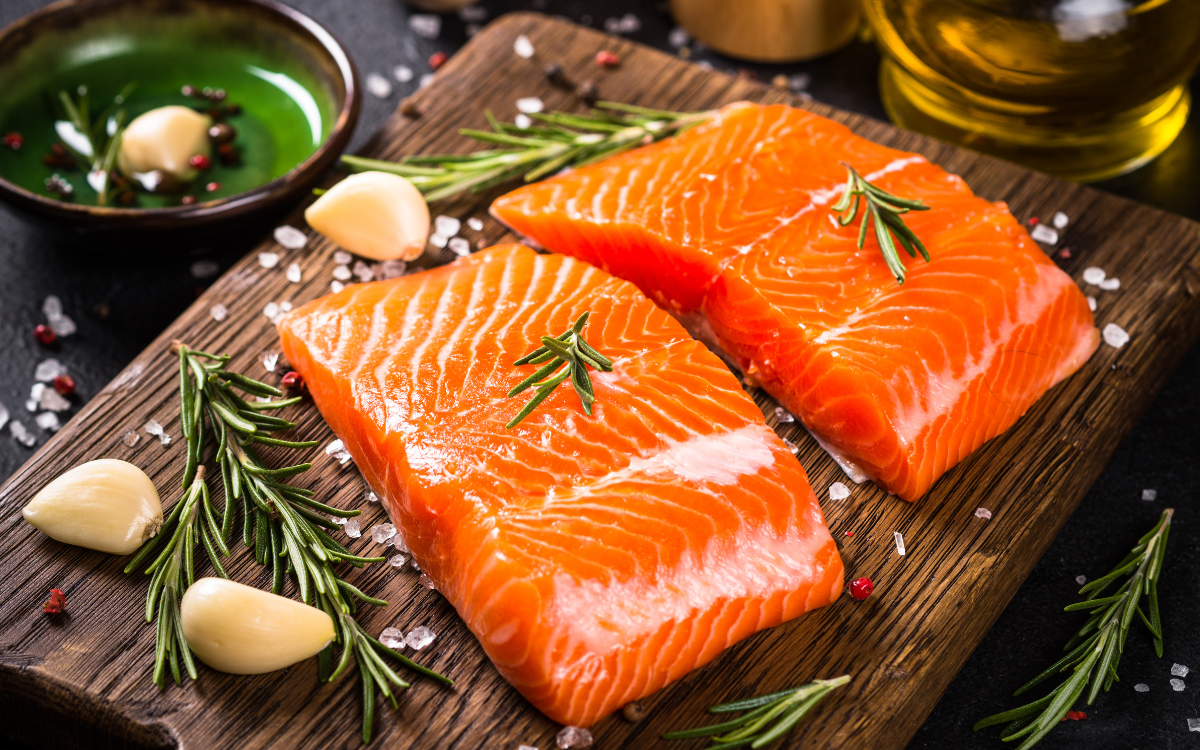
Salmon and sardines are among the best sources of DHA, the omega-3 fatty acid that does some of the brain's heaviest structural lifting. "These fats help maintain the structure and fluidity of brain cell membranes so neurons can communicate effectively," says Richter. Experts generally recommend eating fatty fish at least twice a week.
Nuts and Seeds
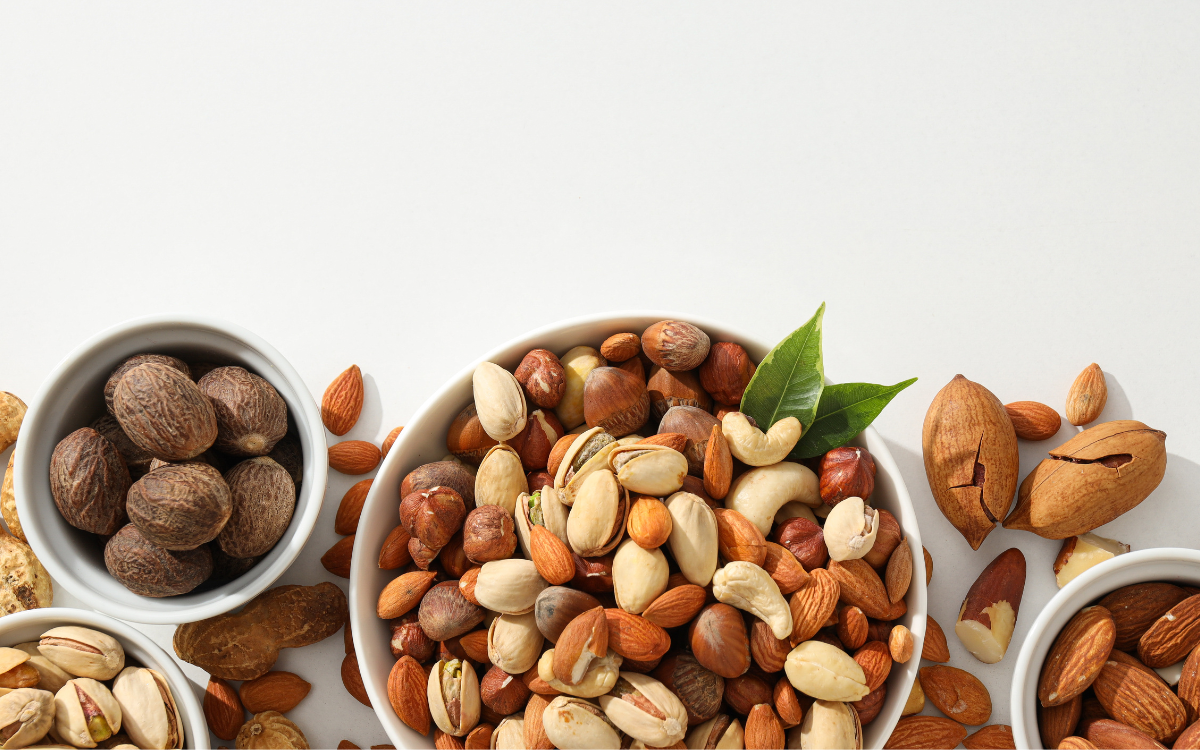
Walnuts deliver plant-based omega-3 fats and polyphenols. Flax seeds, chia seeds, and pumpkin seeds add fiber and minerals that support neurotransmitter production. "They provide healthy fats, minerals, and antioxidants that support brain function," says Richter. A small handful makes an easy snack or a quick topping for salads and grain bowls.
Beans and Lentils
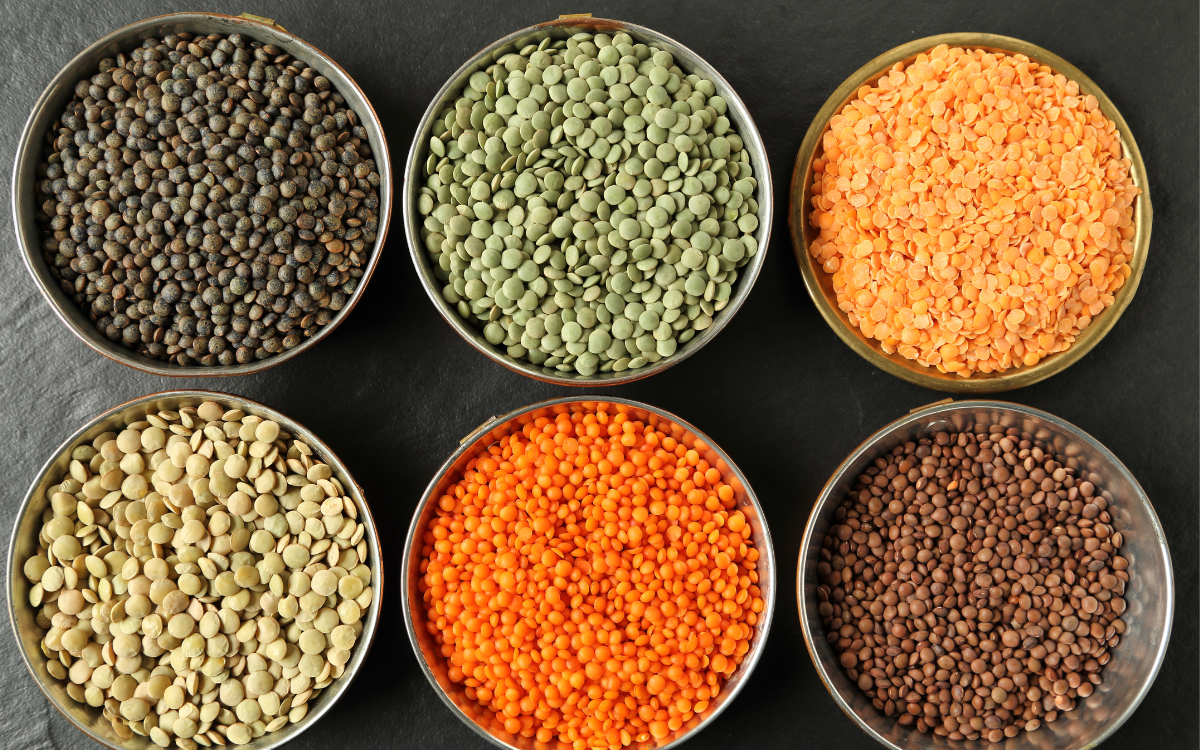
Legumes do not always get credit in brain health conversations, but they should. They supply plant-based protein, fiber, and B vitamins that support neurotransmitter production and help regulate homocysteine levels, which are tied to cognitive decline when elevated. Blatner notes they also provide the amino acids needed to produce neurotransmitters involved in focus and mood.
Fermented Foods

Yogurt, kefir, kimchi, and sauerkraut feed what Richter calls the gut-brain axis, the constant communication channel between your gut microbiome and your brain. Gut microbes produce compounds that influence inflammation, neurotransmitters, and mood. "When you nourish the microbiome, you are indirectly supporting the brain as well," she says. A daily serving of fermented food is one of the simplest upgrades you can make.
Olive Oil

A cornerstone of Mediterranean eating and a major source of healthy fats and polyphenols, olive oil supports the structure and communication of brain cells, according to Blatner. Richter adds that combining healthy fats with fiber and protein helps stabilize blood sugar, a factor that directly affects mental clarity. "When blood sugar rises quickly and then drops, people often experience brain fog, irritability, fatigue, or difficulty concentrating," she says. Use it for cooking, roasting vegetables, or as a salad dressing base.
Consistency Beats Perfection
No single food rewires your brain overnight. What matters is the pattern you build over time. A brain-friendly day of eating might look like Greek yogurt with berries and walnuts at breakfast, a leafy green salad with beans and olive oil at lunch, and grilled salmon with vegetables and whole grains at dinner.
"Often the biggest improvements in brain health come from small, consistent changes rather than dramatic overhauls," says Richter. "When people start feeding both the microbiome and the brain more intentionally, they often notice improvements in focus, mood, and overall mental clarity fairly quickly."
The brain does not operate in isolation from the rest of the body. What you eat today is quietly shaping how well you think, remember, and feel years from now.