
5 Fruits a Gastroenterologist Says You Should Eat for Better Gut Health
A doctor shares the easiest, most effective way to get more fiber into your diet.
Mar 14, 2026
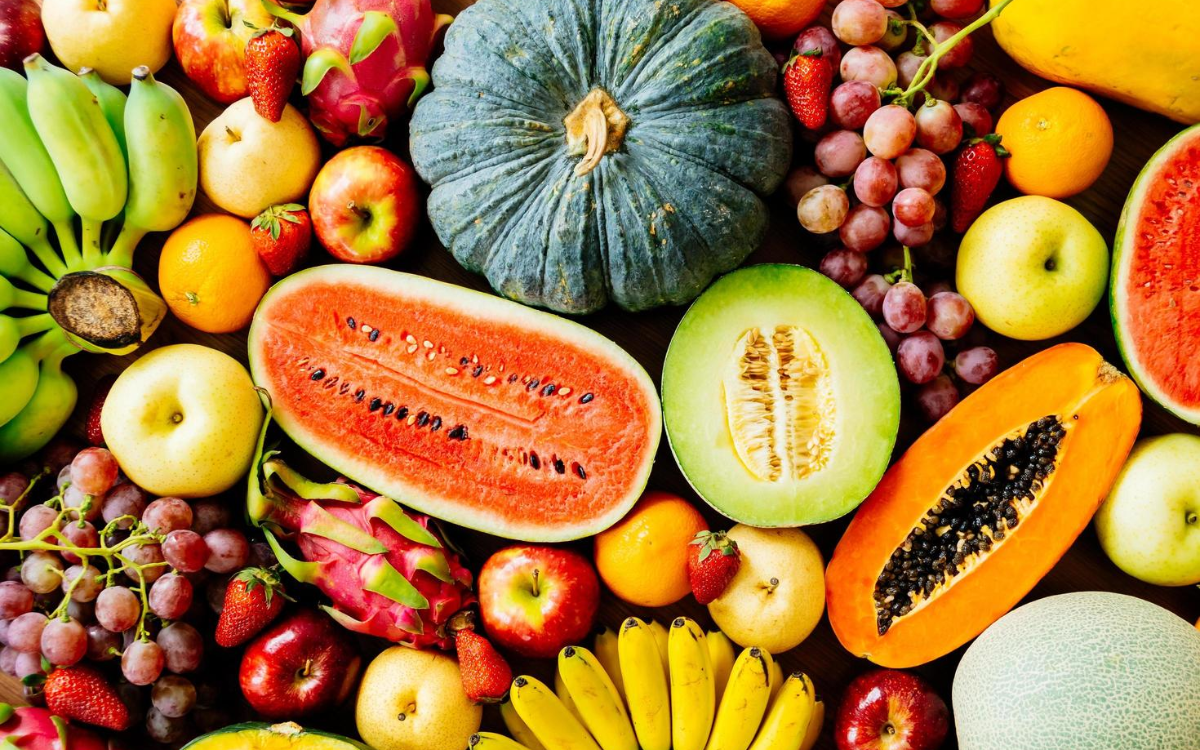
If your gut has been off lately, the fix might be simpler than you think. According to gastroenterologist Wendi LeBrett, M.D., one of the easiest ways to improve digestive health is to add one to two servings of fruit to your daily routine.
"There's a wide variety of foods that have fiber," LeBrett told EatingWell. "I think fruit is probably one of the easiest ways to incorporate fiber. Most people enjoy eating fruit."
Fiber feeds good bacteria in the gut, which in turn supports digestion, reduces inflammation, strengthens the immune system, and keeps harmful bacteria in check. Here are the five fruits LeBrett recommends most.
5 Gut Health Fruits Recommended by a Gastroenterologist
1. Berries
Raspberries, blueberries, and strawberries are loaded with fiber and polyphenols, plant compounds with strong antioxidant and anti-inflammatory properties. They are easy to toss into yogurt, smoothies, or oatmeal and deliver a serious nutritional punch in a small serving.
2. Kiwi
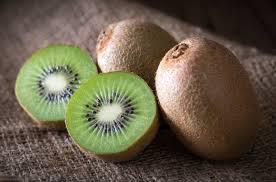
Research published in the American Journal of Gastroenterology found that eating two kiwifruits a day may be as effective as fiber supplements like Metamucil, relieving constipation and abdominal discomfort in some individuals. LeBrett cites this study directly when recommending kiwi to her patients.
3. Apples
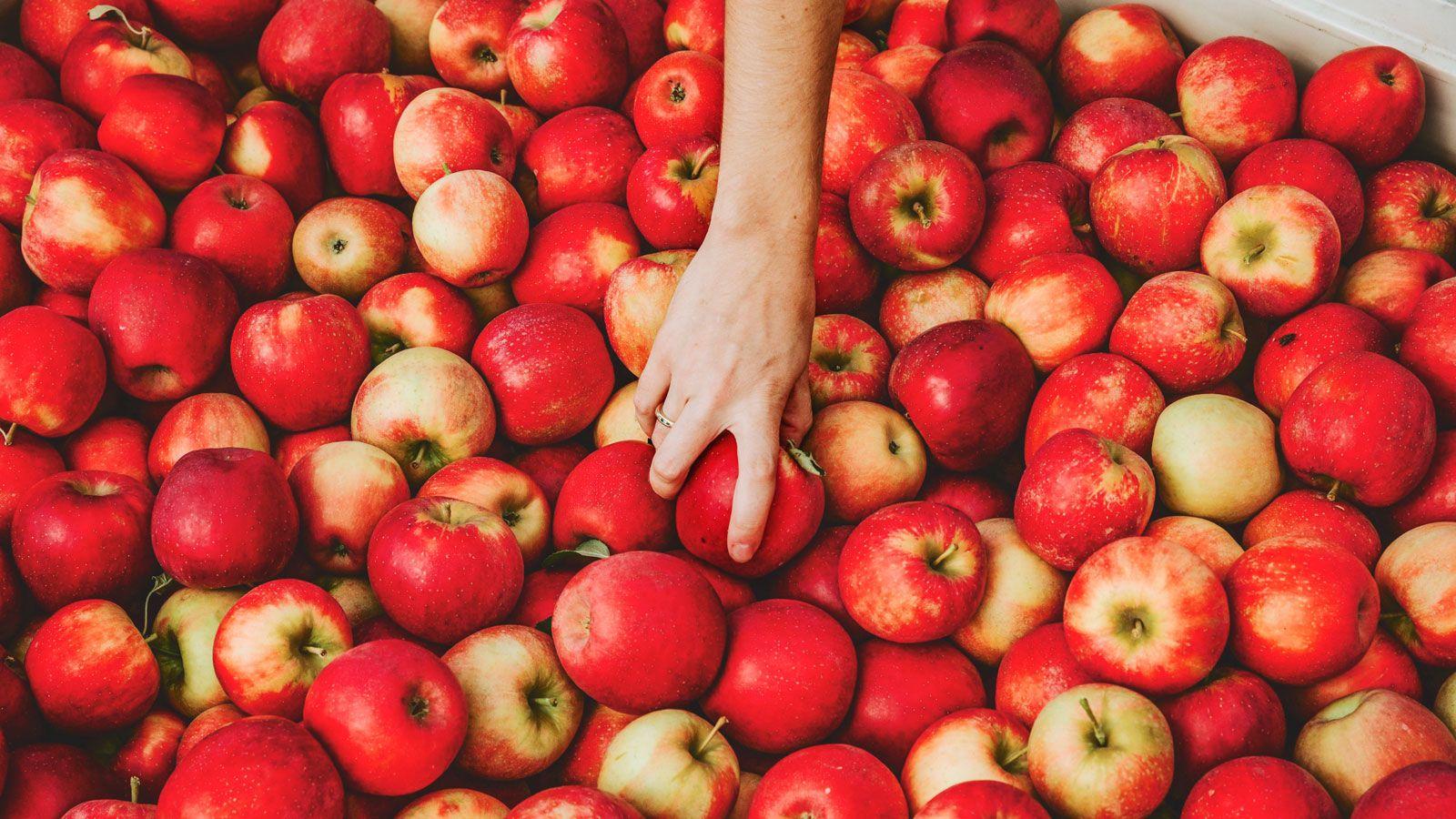
A classic pick for good reason. Apples are rich in pectin, a type of soluble fiber that acts as a prebiotic, feeding beneficial gut bacteria. The skin contains the bulk of the fiber, so eat it whole whenever possible.
4. Pears
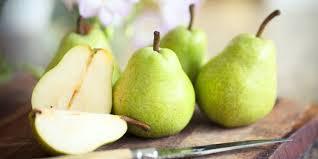
One of LeBrett's personal favorites. Pears pack around six grams of fiber per fruit, are highly hydrating, rich in potassium, and have a low glycemic index, making them a smart choice for anyone managing blood sugar alongside their gut health. They work well in salads, soups, and breakfasts.
5. Avocado
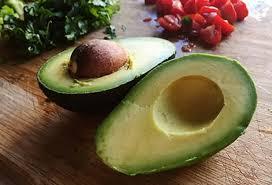
Each fruit contains nine to ten grams of fiber, making avocado one of the most fiber-dense options you can add to your plate. They also provide healthy fats and potassium, which supports smooth muscle function in the digestive tract.
Gut Health Fiber Tips: Start Small and Stay Consistent
You do not need to overhaul your entire diet to see results. LeBrett's advice is straightforward: start with whatever fruit you already enjoy.
"To make a sustainable change, whatever you add to your diet should be something that you enjoy eating," she said.
There is no wrong choice when it comes to adding more fruit to your plate, as long as you are consistent about it.
The broader picture matters too. Good bacteria in the gut thrive on fiber, and most people are not getting nearly enough. The recommended daily fiber intake is 25 to 38 grams, but the average American consumes closer to 15 grams per day. Adding even one to two servings of fruit daily can help close that gap.
Beyond digestion, a healthier gut microbiome has been linked to better immune function, reduced inflammation, improved mood, and lower risk of chronic disease. Berries, kiwi, apples, pears, and avocados give you fiber, antioxidants, and prebiotics all in one.
If you have persistent symptoms like bloating, constipation, or abdominal pain, it is worth speaking to a gastroenterologist. But for most people, the produce aisle is a very good place to start.