


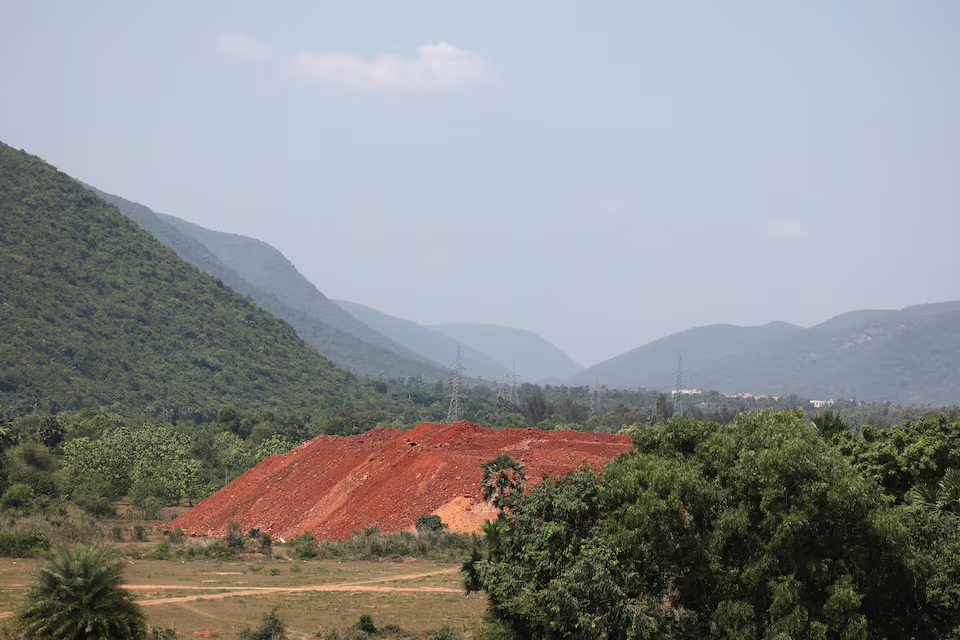
Google’s planned $15 billion data centre and artificial intelligence (AI) hub in India has come under scrutiny as environmental groups and local activists raise concerns over its potential impact on water resources and nearby wildlife. The project, which is expected to be Google’s largest investment in the country, is moving ahead even as legal challenges and public protests continue.
The facility is being developed in Tarluvada, near Visakhapatnam in Andhra Pradesh, in partnership with the Adani Group. Site preparation and construction work are already underway. Once completed, the project is expected to create up to 188,000 jobs, making it one of the biggest technology investments announced in India.
The main concern surrounding the project is water. According to figures cited by the Andhra Pradesh government, Visakhapatnam currently receives around 410 million litres of water every day, while the city’s daily demand is about 480 million litres. The gap has led to periodic water rationing, prompting campaigners to question whether the city can support a large data centre that will also require water for cooling operations.
These concerns have sparked protests in Visakhapatnam, where environmental activists have gathered with placards carrying the message, “We cannot drink DATA.” Protesters say their aim is to draw attention to the importance of protecting drinking water supplies as India expands its digital infrastructure.
Another issue raised by campaigners is the project’s location. The proposed data centre is situated about 860 metres from the Kambalakonda Wildlife Sanctuary, which is home to species including leopards and pangolins. Environmental groups argue that construction activity and future operations could affect the surrounding ecosystem and disturb wildlife living in the protected area.
The concerns have also reached the courts. A public interest litigation filed before the Andhra Pradesh High Court alleges that the environmental impact of the project, particularly on water resources, was not adequately assessed before work began. Separately, the Human Rights Forum has filed three cases before India’s environmental tribunal, seeking to halt the project over concerns that it could affect a rural drinking water scheme.
The Andhra Pradesh High Court is scheduled to hear the matter again on August 24. State authorities, however, have rejected the allegations.
The Andhra Pradesh government has described claims made by activists as “incorrect and misleading.” Officials have said that no water meant for households or rural communities will be diverted to the project and that a nearby reservoir identified by campaigners will not be used to supply the data centre. The government has also said it is willing to engage with stakeholders and address legitimate concerns raised during the legal process.
Google has also defended the project, saying it will comply with all applicable Indian laws and environmental regulations. The company said the facility will use advanced air-cooling technology to reduce water consumption and will incorporate sound-dampening measures to minimise noise near the wildlife sanctuary. According to Google, these measures are intended to reduce the environmental impact of the development while supporting India’s growing demand for AI and cloud infrastructure.
The debate reflects a broader challenge facing the technology industry as investment in AI accelerates worldwide. Modern data centres require significant amounts of electricity and, depending on the cooling systems they use, can also consume substantial quantities of water.
As countries invest in digital infrastructure to support artificial intelligence, projects like Google’s Visakhapatnam facility are increasingly drawing attention to the balance between technological growth and environmental sustainability.
For now, construction on the project continues while the legal challenges remain before the courts, with the next hearing expected later this month.