


South Asian culture has long influenced global fashion, beauty, and design. From textiles and silhouettes to flavors, fragrances, and everyday rituals. In recent years, international luxury and fast-fashion brands have increasingly turned to the region for inspiration, reworking traditional garments, footwear, and cultural symbols into high-fashion products for a global audience.
While some of these moments are celebrated as cultural exchange, others spark debate around credit, context, and ownership. From runway sandals resembling centuries-old crafts to traditional clothing rebranded as global trends, the line between inspiration and appropriation remains a contested one.
The most recent example? Prada’s chai-inspired perfume, a launch that has once again brought this conversation into the spotlight.
Prada Turns Chai Into a Luxury Perfume
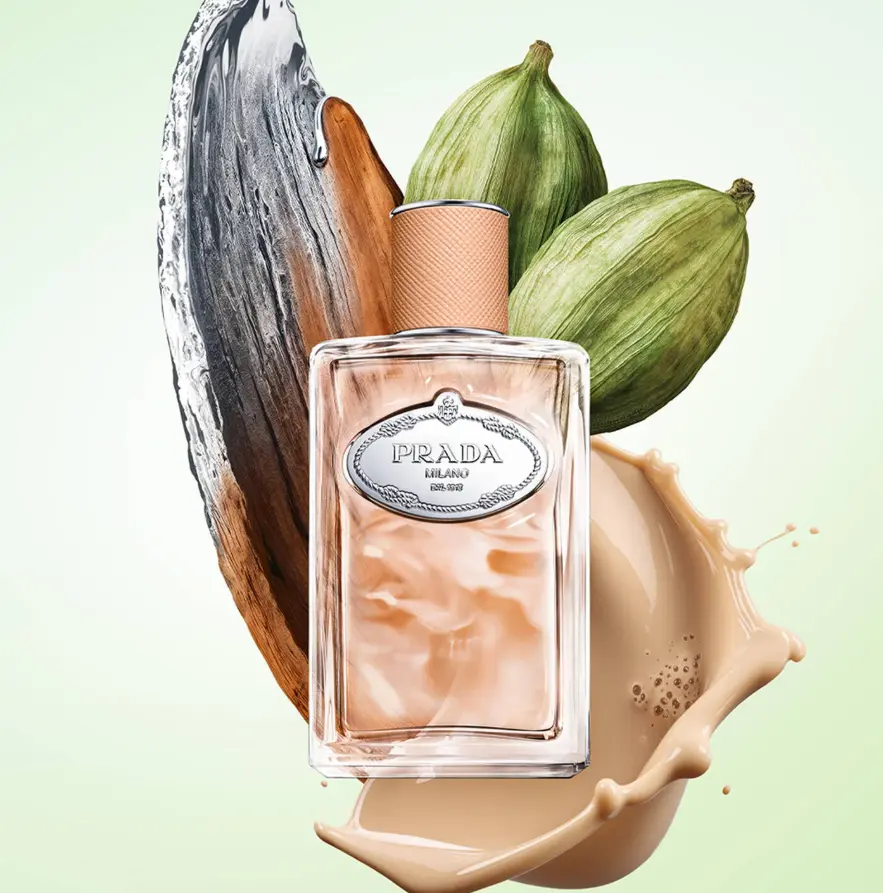
Prada’s Infusion de Santal Chai Eau de Parfum arrived as the latest example of how global fashion houses are drawing inspiration from South Asian culture. The unisex fragrance takes cues from the warm, spiced aroma of traditional chai, blending creamy sandalwood with chai latte accord, fresh citrus, cardamom, and gentle musk. Designed to evoke comfort and familiarity, the scent reimagines a deeply rooted everyday ritual as a luxury sensory experience for a global audience. Its launch sparked debate among critics and consumers alike not just about whether chai works as a high-end fragrance, but about what it says about fashion’s growing reliance on South Asian traditions for creative inspiration.
Reactions to the perfume were divided. While some praised it as a creative and thoughtful fusion, others viewed it as part of a broader trend in which Western luxury brands adopt cultural elements without sufficient context or credit. Seen in this light, Prada’s chai perfume becomes less of a one-off launch and more of a continuation of a wider pattern, one where South Asian heritage increasingly informs global design, often blurring the line between cultural appreciation and appropriation.
Prada and the Kolhapuri Chappal Debate

Before the chai perfume, Prada also courted controversy when it showcased sandals at Milan Fashion Week that looked strikingly similar to traditional Kolhapuri chappals, handcrafted leather footwear from India. Initially presented on luxury runways without clear acknowledgment of their cultural origin, the sandals sparked backlash from artisans and cultural commentators who felt the design was too closely borrowed without credit.
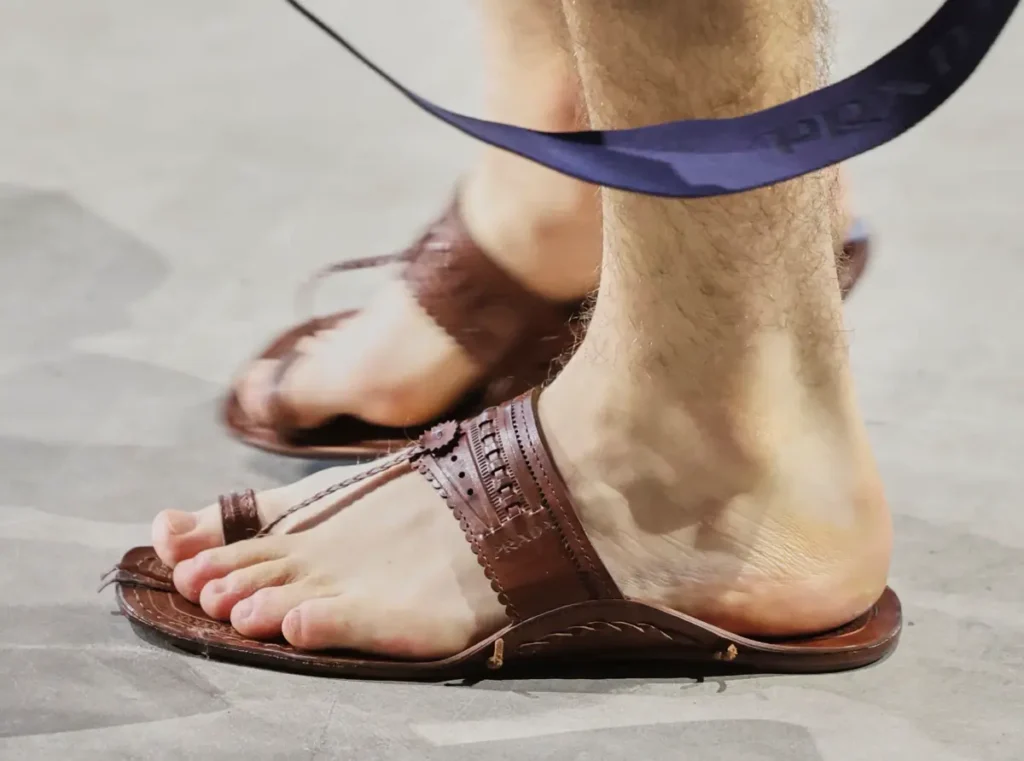
After significant social media attention, Prada acknowledged the inspiration and later worked with Indian artisans, creating a “Made in India” version that blended traditional craftsmanship with contemporary design, a rare instance where backlash led to a respectful, collaborative response.
Gucci’s Sari-Inspired Look at Cannes
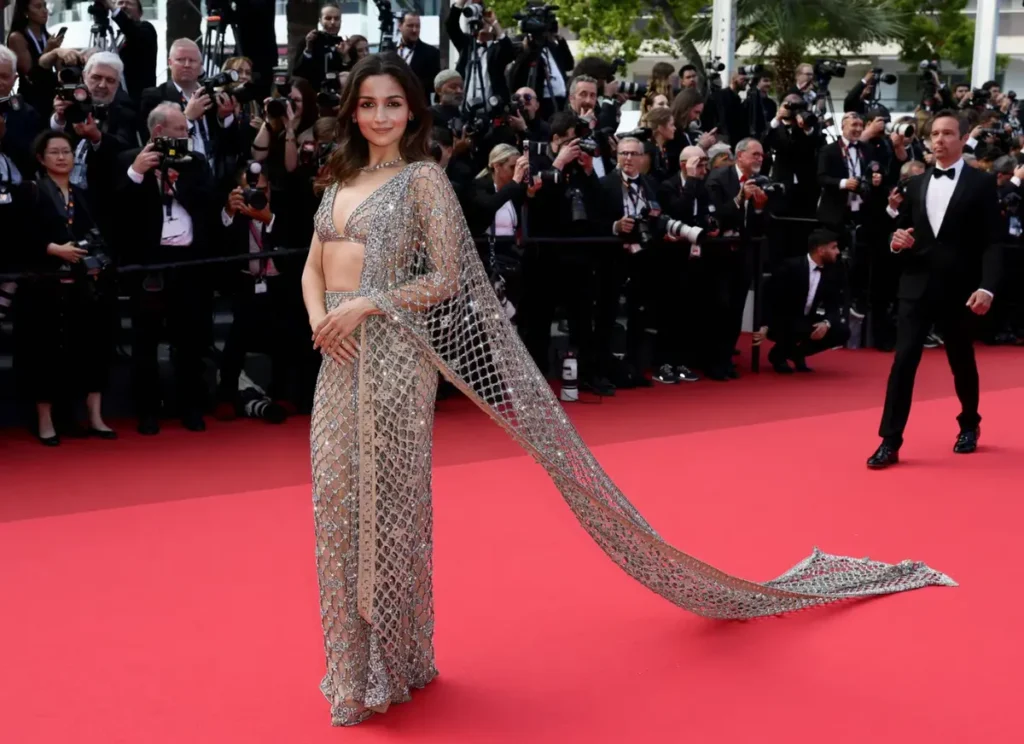
South Asian influence has not always been controversial. At the 2025 Cannes Film Festival, Italian luxury house Gucci created a custom sari‑inspired outfit for Bollywood star Alia Bhatt, blending Western couture with traditional Indian draping techniques.
While Gucci officially referred to the look as a “custom Gucci gown,” many fashion commentators and fans celebrated it as one of the brand’s first couture nods to the traditional Indian sari silhouette, and a moment of cultural visibility on one of the world’s largest fashion stages.

This kind of high‑profile cultural fusion highlights how South Asian designs are not only recognized but spotlighted in global fashion, when done with intent and acknowledgment.
Dupatta Becomes a “Scandinavian Scarf”

However, not all borrowings are straightforward collaborations. In recent years, social media users and fashion commentators have highlighted how dupattas, long scarf‑like garments commonly worn in Pakistan, were repackaged online as “Scandinavian scarves.”
This trend, part meme, part commentary, sparked debate about how Western fashion often strips South Asian garments of their cultural identity, labeling them as trendy European accessories while ignoring their history and significance.
Critics argue that while cultures naturally influence one another, acknowledgment and context matter when traditional garments become global fashion statements.
Peshawari Chappals and Global Footwear Influences
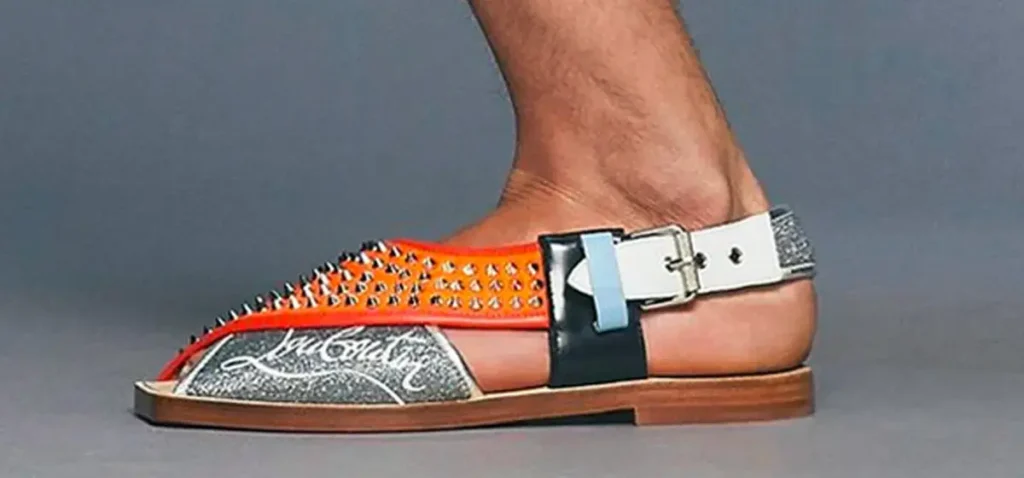
The influence is not limited to Indian fashion. Traditional Peshawari chappals, worn in Pakistan and largely among Pashtun communities, have similarly appeared in global fashion over the years. In the past decade, luxury designers like Paul Smith and Christian Louboutin have released sandals that closely resemble the classic Peshawari form without initially crediting the original craft tradition.
In some cases designers later acknowledged the inspiration, but these examples highlight how traditional South Asian footwear aesthetics have surfaced in global fashion cycles long before they were widely recognized as cultural staples.
Zara and the Lungi-Style Skirt Backlash
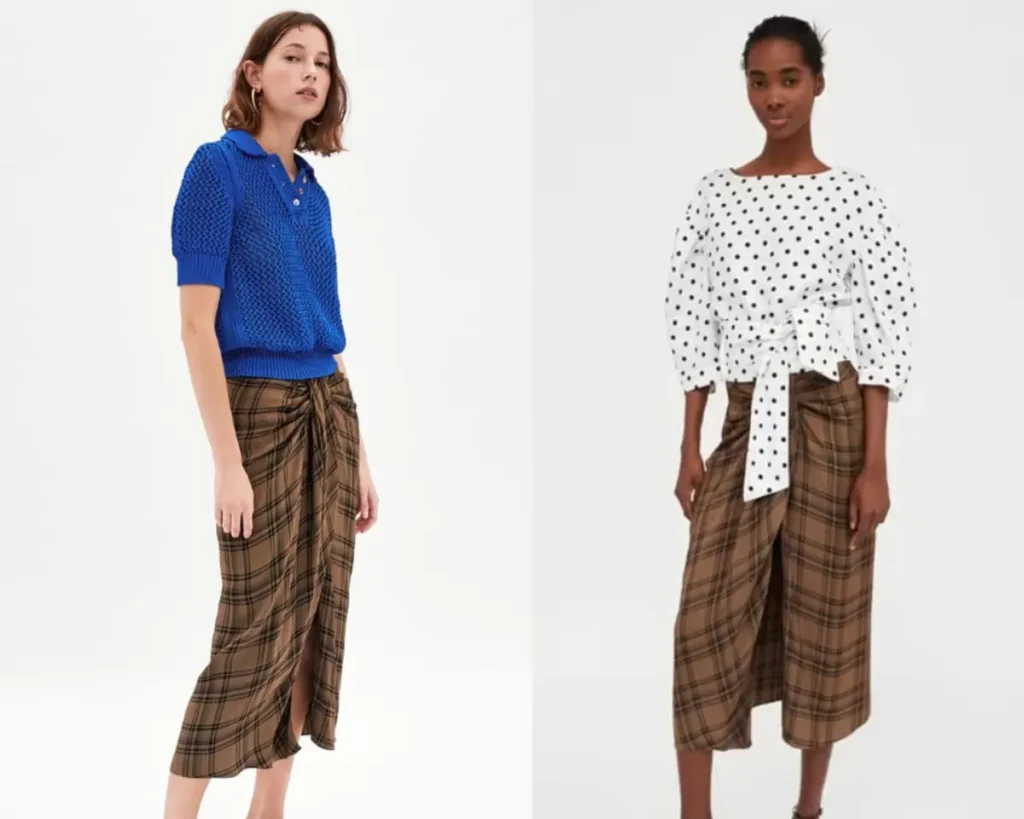
One of the most talked-about early examples came from Zara in 2018, when the Spanish fast-fashion giant released a brown “check mini skirt” described on its website as a “flowing skirt with draped detail in the front” but many fashion watchers noticed it looked very similar to a traditional lungi, a wrap-around cloth worn commonly in India, Pakistan, Southeast Asia, and elsewhere.
The garment triggered widespread criticism on social media for resembling the lungi so closely, while being marketed as a trendy skirt and sold for roughly the equivalent of £70–£90 even though authentic lungis typically cost only a few pounds or dollars locally. Critics argued that Zara was essentially repackaging a traditional South Asian staple without credit or acknowledgment, and profiting by selling it under a Western fashion label.
Commenters highlighted how everyday items like lungis, once worn casually in South Asia, became “grandpa-chic” when adopted by a global brand, prompting calls for greater cultural awareness and representation in fashion design and marketing.
Inspiration Becomes Conversation
These examples reveal a larger pattern in fashion: South Asian culture, from everyday clothing to ceremonial textiles and fragrances, is increasingly influencing global style.
The key question is how brands engage with this heritage. Do they acknowledge the history and meaning behind these designs? Do they work with the communities and artisans who created them? And when they reinterpret traditional elements, do they amplify the culture rather than simply rebrand it for profit?
At its best, fashion is a dialogue between cultures. In 2026, that dialogue is more inclusive of South Asia’s rich design legacy than ever before. Brands that approach it with respect, collaboration, and credit not only avoid controversies over appropriation but also celebrate the creativity and craftsmanship at the heart of these traditions.