In a recent development, the Dubai Taxi Company (DTC) has confirmed that it is not planning any workforce reductions. The announcement was made by Group CEO Mansoor Rahma Alfalasi, who stated that the company remains committed to retaining its employees despite ongoing economic uncertainties. This clarification addresses concerns that had emerged regarding potential job cuts in response to changing market conditions.
The statement comes at a time when several industries are facing pressure due to fluctuations in global and regional economic activity. The transportation sector, particularly in cities reliant on tourism and business travel, is closely tied to demand trends. In the Dubai market, taxi services are influenced by visitor numbers, airport traffic, and overall mobility patterns. Any slowdown in these areas can impact revenue streams for transport providers.
Despite these external pressures, DTC has opted not to implement workforce reductions. This decision distinguishes the company from broader trends in some sectors where cost-cutting measures, including layoffs, have been used to manage uncertainty.
Workforce as a Core Operational Asset
According to the company’s leadership, drivers are a central part of DTC’s operations and service delivery. Retaining experienced drivers helps maintain service quality, reliability, and operational efficiency. Rather than reducing staff, the company has emphasized the importance of preserving its workforce to ensure consistent service standards across its network.
This approach also avoids the potential challenges associated with rehiring and retraining employees in the future. Maintaining an experienced workforce enables the company to respond more effectively when demand conditions improve.
Operational Scale and Service Continuity
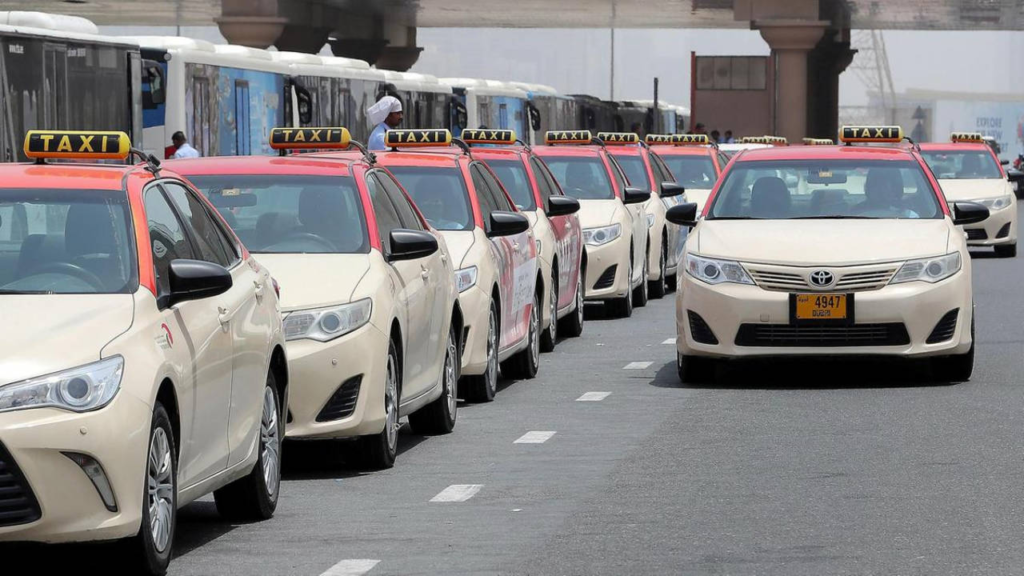
Dubai Taxi Company is one of the primary providers of taxi services in Dubai, serving both residents and visitors. Its operations include city taxis, airport services, and other mobility solutions integrated into the emirate’s transport system. Given the scale of its operations, any reduction in workforce could have affected service availability and response times.
By maintaining its staffing levels, the company ensures that it can continue to meet customer demand without disruption. This decision supports the continuity of services that are essential to daily mobility in the city.
Fleet Expansion and Future Planning
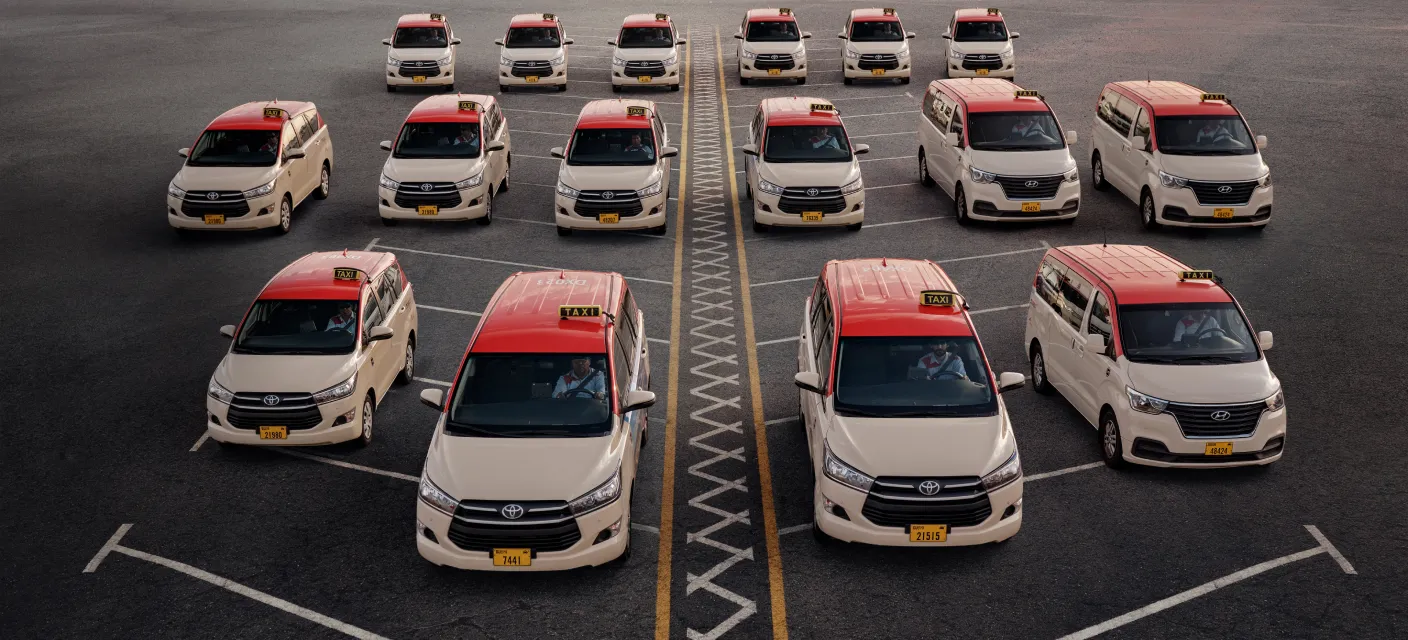
In addition to retaining its workforce, DTC has continued to expand its fleet. Increasing the number of vehicles while maintaining staffing levels indicates a forward-looking strategy. The company appears to be preparing for a potential increase in demand rather than scaling back operations. This expansion suggests confidence in the long-term outlook of Dubai’s transportation sector. It also reflects an effort to strengthen operational capacity in anticipation of future growth.
Alignment with Dubai’s Economic Outlook
Dubai has historically demonstrated resilience in the face of economic fluctuations, supported by strong infrastructure and a diversified economy. The decision by DTC to avoid layoffs aligns with this broader pattern of stability and long-term planning.
Maintaining employment levels can contribute to overall economic confidence, particularly in sectors that directly support tourism and public mobility. It also reflects a strategy focused on sustaining growth rather than reacting to short-term challenges.
Implications for Employees and Stakeholders
The CEO’s statement provides reassurance to employees, customers, and stakeholders. For employees, it confirms job security in a period of uncertainty. For customers, it ensures uninterrupted service. For industry observers, it highlights a strategic approach centered on stability and preparedness.
Dubai Taxi Company’s decision to rule out workforce reductions underscores its commitment to operational continuity and long-term growth. By retaining its drivers and expanding its fleet, the company is positioning itself to navigate current challenges while remaining prepared for future demand. The move reflects confidence in both the company’s operational strength and Dubai’s broader economic resilience.