Rama Duwaji and the Power of Cultural Identity in Modern Art
Rama Duwaji’s work as an illustrator, animator, and ceramic artist highlights how diasporic creatives contribute to cultural representation and visibility within global lifestyle and arts spaces.
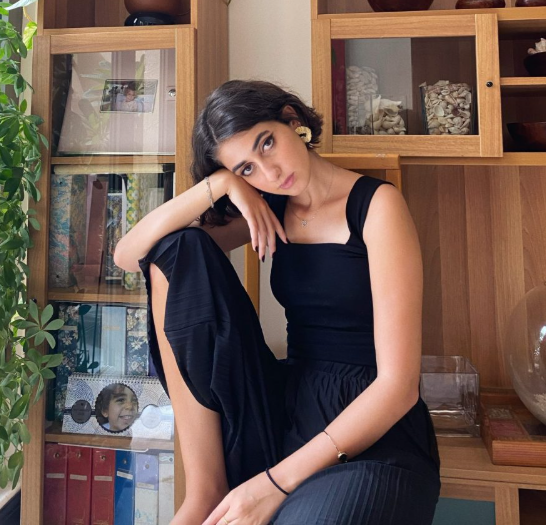
Rama Duwaji is a Syrian-American illustrator, animator, and ceramic artist whose work explores themes of identity, migration, memory, and community. She is also the First Lady of New York City and wife of the newly elected mayor Zohran Mamdani, a role that has brought additional attention to her artistic work and public presence.
Based in New York, Duwaji is known for creative projects that explore themes of identity, migration, memory, and community, subjects that resonate strongly in an era shaped by global movement and cultural exchange. Increased public visibility has also drawn attention to how her background and work connect to broader conversations around cultural representation in contemporary creative spaces.
Cultural representation has become a key focus across media, particularly in lifestyle and arts reporting. Rather than being confined to politics or entertainment, representation is now discussed through creative practice, visual language, and personal background. Duwaji’s presence fits into this evolving landscape, where individuals are not framed as representatives of entire communities, but as examples of how diverse identities exist and operate within mainstream cultural platforms.
Background and Creative Practice
Born in Houston, Texas, to Syrian heritage, Rama Duwaji grew up navigating multiple cultural reference points. This background has informed her creative work, which spans illustration, animation, and ceramics. She has received formal training in illustration, earning degrees that supported her development across visual storytelling and conceptual design. Her multidisciplinary approach places her within a generation of artists who move fluidly across mediums rather than being confined to a single form.
Duwaji’s work has appeared in a range of established publications and platforms, including major media outlets and cultural institutions. These placements situate her firmly within the professional creative industry, rather than the margins of it. Her projects often feature human figures, domestic scenes, and symbolic elements that reflect collective experience, drawing attention to everyday moments shaped by memory and displacement.
Rather than presenting overt political messaging, her work is generally described through its themes and visual motifs. This approach aligns with contemporary creative trends, where cultural context is embedded in form and subject matter rather than explicit statements.
Cultural Representation in Creative Industries
Creative industries play a significant role in shaping how cultures are seen and understood. Illustration, design, and animation are often among the most accessible forms of cultural expression, circulating widely through magazines, digital platforms, and exhibitions. As a result, artists working in these fields contribute to representation simply through visibility.
Duwaji’s presence in these spaces reflects wider shifts within creative industries, which have increasingly sought voices from diverse backgrounds. This change has been driven by audience demand, institutional initiatives, and a broader recognition that global culture cannot be represented through a single narrative or aesthetic.
In lifestyle and culture reporting, representation is often documented through who is being commissioned, featured, and recognized. Duwaji’s work appearing across prominent platforms places her within this documented shift, where creatives with diasporic backgrounds are no longer framed as niche contributors but as part of the mainstream cultural conversation.
Media Visibility and Public Attention
Public interest in Duwaji has expanded alongside media coverage related to her personal associations as well as her professional work. Lifestyle-news platforms frequently examine figures whose visibility increases due to intersections between culture, creativity, and public life. In such cases, coverage typically focuses on background, professional identity, and cultural context rather than personal narrative.
This type of reporting reflects a broader editorial trend. Rather than producing personality-driven profiles, many lifestyle outlets now publish contextual features that explain why certain individuals are being discussed and how they fit into larger cultural patterns. Duwaji’s coverage often follows this format, situating her within conversations about representation rather than positioning her as a central public figure in her own right. Visibility does not equate to advocacy or leadership. Factual reporting distinguishes between documented presence and assumed influence, ensuring that representation is discussed as a structural phenomenon rather than a personal agenda.
Diasporic Identity and Global Culture
Diasporic identities have become increasingly visible within global culture. Migration, displacement, and transnational movement have shaped not only demographics but also creative output. Artists and creatives with such backgrounds often draw from multiple cultural sources, producing work that reflects layered identities.
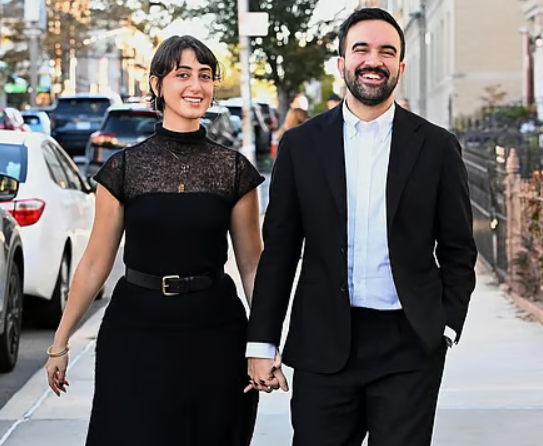
In this context, Duwaji’s background is frequently referenced as part of her cultural framework. Lifestyle reporting tends to document these details to provide readers with context rather than interpretation. Identity, in this sense, functions as information, helping audiences understand the cultural references and experiences that inform creative work.
Global audiences have shown growing interest in these narratives, particularly as digital platforms allow creative work to circulate far beyond national boundaries. Representation, therefore, becomes less about geographic location and more about cultural perspective.
Gender and Visibility in Cultural Spaces
Gender remains an important consideration in discussions of representation, particularly within creative industries. Women artists have historically faced barriers to recognition and institutional support. In recent years, increased attention has been paid to documenting women’s contributions across art, design, and media.
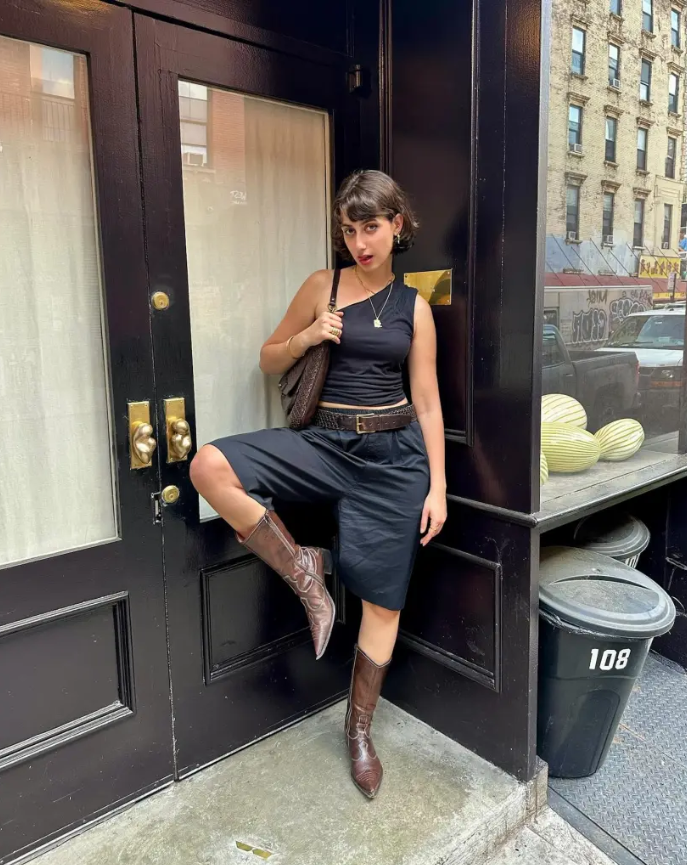
Duwaji’s visibility aligns with this broader trend, where women from diverse cultural backgrounds are more frequently featured in mainstream platforms. Lifestyle journalism approaches this subject by highlighting participation and presence rather than framing individuals as exceptions or symbols.
This method allows coverage to remain neutral while acknowledging ongoing structural changes within cultural industries. Representation, in this framework, is understood as an evolving process shaped by access, opportunity, and audience engagement.
Representation Without Assumption
One of the challenges in covering representation is avoiding assumptions about intent or meaning. Not every visible figure seeks to represent a community, and not every creative work carries a political message. Responsible lifestyle and culture reporting focuses on observable facts: background, professional activity, and media presence. In discussing Rama Duwaji, it is important to distinguish between documented themes in her work and interpretations imposed from outside.
Representation as a Cultural Indicator
Cultural representation functions as an indicator of broader social dynamics. Who appears in media, whose work is circulated, and whose backgrounds are acknowledged all reflect shifting priorities within cultural institutions and audiences. Duwaji’s presence within this landscape illustrates how representation operates today, not through singular narratives, but through accumulation and visibility. Rather than marking a definitive moment, her recognition forms part of an ongoing process. As creative industries continue to diversify, coverage of figures like Duwaji contributes to a more comprehensive record of contemporary culture.
Duwaji’s growing visibility highlights how cultural representation manifests within modern creative and lifestyle spaces. Through her work as an illustrator, animator, and ceramic artist, and through increased media attention, she has become part of wider conversations about identity, visibility, and global culture.