


The UAE’s National Day, officially known as Eid Al Etihad, is one of the country’s most significant annual celebrations. Observed on December 2, the occasion marks the formation of the United Arab Emirates in 1971, when six emirates united under one flag. Ras Al Khaimah joined the federation in February 1972, completing the union of the seven emirates.
For luxury fashion, beauty and lifestyle brands operating in the UAE, Eid Al Etihad provides an opportunity to recognise the country’s history, cultural identity and evolving creative landscape. As the celebrations bring together residents and visitors, brands increasingly have a cultural context to consider when planning their seasonal campaigns, retail experiences and communications.
Emirati heritage encompasses traditional craftsmanship, architecture, clothing, hospitality and artistic expression. These cultural elements remain an important part of the country’s identity and are represented through museums, heritage festivals and cultural preservation initiatives.
Traditional crafts such as Al Talli, an intricate embroidery technique involving metallic threads, and Sadu, a form of traditional weaving, are examples of craftsmanship associated with Emirati culture. Both represent techniques that have been passed down through generations and continue to feature in cultural preservation efforts.
For luxury fashion houses, these crafts provide a connection between traditional artistry and contemporary design. Collaborations with local artisans and designers can also create opportunities to showcase Emirati creative talent while introducing traditional techniques to wider audiences.
The UAE has developed a growing fashion and creative industry, supported by designers, artists, entrepreneurs and cultural institutions. Dubai Design District (d3), for example, is a dedicated destination for design, fashion, art and creative businesses.
Recognising local talent is one way international luxury brands can participate in the country’s creative landscape. Collaborations with Emirati designers, photographers, artists and craftspeople can bring local perspectives into brand storytelling.
The UAE has also demonstrated its commitment to recognising creative contributions through initiatives such as the UAE Nation Brand project, which brought together 49 Emirati artists and innovators to develop a visual identity representing the country.
Such initiatives highlight the role of creative communities in shaping how the UAE presents its identity internationally.
Experiential retail has become an important part of the luxury shopping environment, with brands and retail destinations offering activities beyond traditional product displays.
During Eid Al Etihad, cultural experiences can provide opportunities for visitors to engage with Emirati traditions. These may include artisan demonstrations, traditional performances, exhibitions and activities highlighting local craftsmanship.
Hospitality is another significant part of Emirati heritage. The UAE Government identifies hospitality, family cohesion, tolerance and solidarity as important features of the country’s cultural identity.
These values are also reflected in the way National Day is celebrated through family gatherings, public events and community activities. Luxury hotels, shopping destinations and lifestyle brands can acknowledge these traditions through experiences that recognise the importance of community and cultural connection.
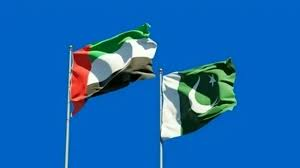
The UAE flag is one of the most recognisable symbols associated with Eid Al Etihad. Its colours are displayed across buildings, public spaces, shopping centres and landmarks during the celebrations.
However, the occasion extends beyond visual references to national colours. December 2 commemorates the historic union of the emirates and the vision of the country’s founding fathers, led by the late Sheikh Zayed bin Sultan Al Nahyan.
Understanding this history is important for brands developing National Day communications. Accurate cultural references and an understanding of the occasion’s significance help ensure that campaigns reflect the meaning of the celebration rather than treating it solely as a seasonal retail opportunity.
Eid Al Etihad offers luxury brands an opportunity to recognise the UAE’s cultural heritage and the communities that contribute to its development. However, engagement with local culture is not limited to one annual celebration.
Supporting Emirati designers, working with local creative professionals and recognising traditional craftsmanship can contribute to longer-term relationships between international brands and the UAE’s creative industry.
As the country continues to develop its position as an international destination for fashion, design and luxury retail, its cultural identity remains an important part of that story.
Ultimately, National Day provides a moment to recognise the UAE’s journey, celebrate its heritage and acknowledge the people shaping its future. For luxury brands, understanding these elements offers a more informed way to participate in one of the country’s most meaningful national occasions.