

From salt warehouses to smoky grills, Namak Mandi has fed generations of Peshawar residents, and it still has a hold on the city’s heart.
What comes to your mind when you first hear the words Namak Mandi? Well, you don’t have to think a lot, as the name itself is quite self-explanatory. In Urdu, namak means salt and mandi means market, and long before it became Pakistan’s most talked-about food street, this was a place where salt was stored, bought and sold.
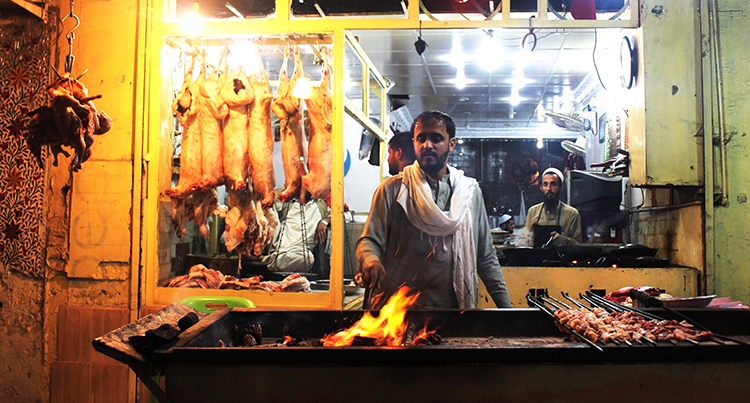
Today, the smell of mutton cooking over charcoal fills the same narrow lanes, and as the weather cools across Peshawar, the crowds are once again returning to tables that have been feeding the city for generations.
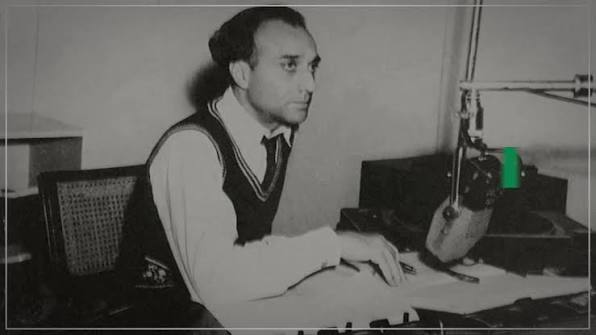
The street is back in the spotlight after Radio Pakistan Peshawar released a special video report featuring Namak Mandi and its traditional delicacies. The footage of sizzling woks and smoky grills is almost enough to make you smell the salt in the air.
The street sits in the old city of Peshawar, in Pakistan’s northwestern province of Khyber Pakhtunkhwa. Around 50 eateries line the market, and traders estimate they sell about 2,000 kilograms of meat between them every day.
For many in Peshawar, though, the numbers tell only part of the story. Namak Mandi is where fathers once brought their sons, where friends gathered after work, and where the same recipes have been cooked in the same kitchens for decades. It is a place people remember as much as a place they visit.
The History of Namak Mandi and Peshawar’s Old Salt Trade
Historians of Peshawar say the area was once a center of the region’s salt trade. Before Partition, traders kept their stocks in the warehouses here, supplying merchants who passed through the city.
Peshawar’s place near the Khyber Pass made it one of the great crossroads of the region. For centuries, caravans traveling between South Asia and Central Asia stopped in the city, and with them came new ingredients, cooking styles and tastes. The food served in Namak Mandi today still carries traces of that history, blending Pashtun, Afghan and Mughal traditions.
As the salt trade faded, cooks moved in. The area slowly built a reputation for its mutton tikka, and word spread well beyond the city. The Khyber Pakhtunkhwa government later approved Namak Mandi’s development as an official food street, and a later renovation added open seating areas and traditional huts, giving the old market a fresh look while keeping its character intact.
Famous Namak Mandi Dishes From Lamb Karahi to Charsi Tikka
Little about the food at Namak Mandi has changed over the years, and that is the reason many people keep coming back. The cooking is simple and relies on fresh meat, salt, fat and fire rather than heavy spices.
Lamb karahi is the dish most closely tied to the street. It is cooked in large iron woks over high heat with tomatoes and green chilies, and many cooks still use the meat’s own fat instead of oil, a method passed down from earlier generations. The result is rich and savory, and it is traditionally eaten with naan straight from the tandoor.
Mutton tikka, grilled on skewers over charcoal, remains the dish that first made Namak Mandi famous, and Charsi Tikka is among the best-known names on the street. Namkeen gosht, a salted meat dish cooked slowly with very little seasoning, reflects the Pashtun and Afghan home cooking that shaped the area’s food.
The way people eat has also stayed much the same. Meat is chosen by weight and cooked fresh in front of customers, and meals are shared by families and groups of friends, often seated on mats and cushions on the floor. Many still end the evening the way their parents did, with a cup of green tea.
Over the years, the street has found new admirers. International food vloggers have featured its fiery woks, charcoal grills and communal dining in videos shared around the world, and Namak Mandi now appears on the must-visit lists of many travelers exploring Pakistan.
Shopkeepers say the attention is welcome, and many believe the street deserves greater support and recognition as part of Peshawar’s cultural identity. With the cooler months ahead, traditionally the busiest time of year, the grills are once again burning late into the night, much as they have for generations.