


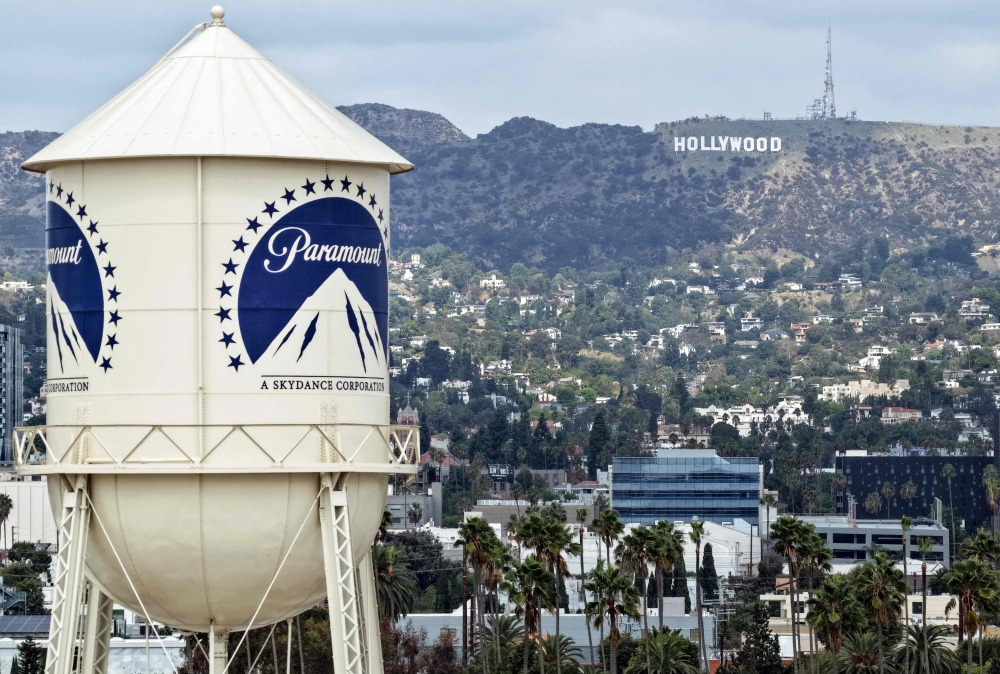
Paramount Skydance has reached a settlement with a coalition of 12 US states that had challenged its proposed acquisition of Warner Bros. Discovery, removing a major legal obstacle to the planned media merger. The agreement, announced on September 21, 2026, resolves the states’ antitrust lawsuit, although the settlement still requires approval by a federal court.
The proposed transaction, valued at about $110 billion, would combine Paramount Skydance with Warner Bros. Discovery. The companies’ assets include major film studios, television networks, streaming platforms and extensive entertainment libraries. The combined business would bring Paramount Pictures and Warner Bros. together with Paramount+ and HBO Max, as well as television operations including CBS and CNN.
The legal challenge was brought in July by 12 state attorneys general led by California Attorney General Rob Bonta. The states argued that the merger could reduce competition in areas including theatrical film distribution and basic cable television, with potential consequences for consumers and workers. The settlement replaces the litigation with a series of commitments that Paramount must follow after the merger.
One of the central conditions concerns theatrical film production. Under the agreement, the merged company must release at least 30 films annually during the first two years following completion of the transaction. That number rises to 32 films per year during the following three years. At least four films each year must be independent productions. The agreement also specifies minimum numbers of wide releases.
Paramount has also committed to increasing film production in the United States. The company will spend at least an additional $1.5 billion on domestic film production over five years, equivalent to at least $300 million in additional annual spending compared with its 2025 US production spending.
The settlement includes provisions for workers who could be affected by the merger. Paramount will establish a $47.5 million workforce fund over five years to support training and career development for workers displaced by the transaction. The company also agreed to honor existing collective bargaining agreements and bargain in good faith with unions.
The agreement also addresses Paramount and Warner Bros. Discovery’s cable businesses. For five years, the combined company will be required to negotiate agreements involving Paramount’s basic cable channels separately from negotiations involving Warner Bros. Discovery’s basic cable channels. The settlement also requires the company to continue offering a free streaming service, such as Pluto TV, while maintaining its current service and quality.
News operations are another part of the settlement. Paramount will establish a News Editorial Independence Board intended to help maintain editorial independence at CBS and CNN following the merger. An independent monitor will also oversee compliance with the settlement’s requirements.
The Writers Guild of America, which had separately challenged the transaction, also settled its lawsuit against Paramount. The settlement with the states and the resolution of the writers’ case remove major legal challenges that had threatened to delay the transaction.
Paramount and Warner Bros. Discovery have said the merger is expected to generate significant cost savings. Earlier company estimates put potential savings at about $6 billion, including reductions in overlapping operations. The companies have also indicated that the combined business would carry substantial debt following the transaction.
Despite the settlement, the acquisition has not yet fully closed. The agreement with the states remains subject to judicial approval. Regulatory authorities in the European Union and the United Kingdom had already cleared the transaction, according to Reuters.
If completed, the transaction would create one of the largest media companies in the world, combining two major Hollywood studios, major television networks, streaming services and extensive entertainment libraries under a single corporate structure.


