


More people are clearing out their homes and finding that less stuff often means a calmer mind.
Something has shifted in the way people think about their homes. Where a full closet and a packed shelf once signaled success, many now find themselves craving the opposite: clean surfaces, empty space, and a little room to breathe. Decluttering has quietly become one of the most popular forms of self-care, and minimalism is at the heart of it.
The idea is simple. Owning less means managing less, cleaning less, and worrying about less. What started as a niche lifestyle trend has grown into a global movement, driven by viral home makeovers, popular books, and a general sense that modern life has become a little too crowded. People are not just tidying up. They are rethinking their relationship with the things they own.
At its core, this shift is less about aesthetics and more about how a space makes you feel. A calmer home, many say, leads to a calmer mind. That connection between physical space and mental well-being is a big part of why decluttering has moved from a weekend chore to a genuine wellness practice.
How Clutter Affects Your Mind and Mood
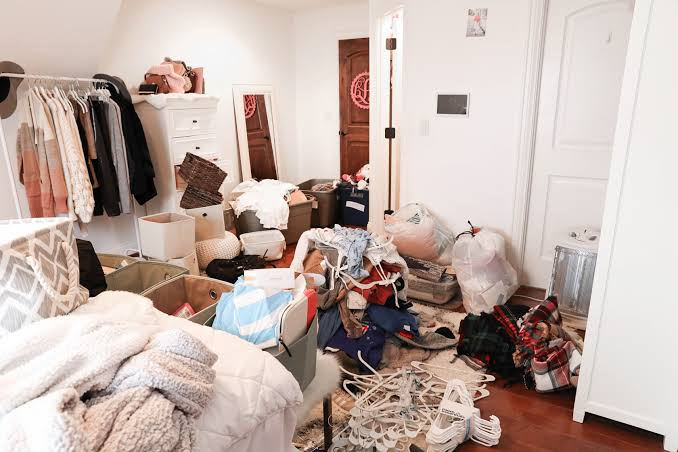
There is a real reason a messy room can leave you feeling on edge. When your surroundings are chaotic, your brain has more to process, more competing signals fighting for your attention. Over time, that low-level mental noise can leave you feeling drained without quite knowing why.
Clearing a space often brings a noticeable sense of relief. Many people describe finishing a decluttering session and feeling lighter, calmer, and more in control. Part of that comes from the act itself. Deciding what to keep and what to let go of is a small but steady exercise in taking charge of your environment.
There is also a sense of accomplishment that comes with a finished drawer or an organized shelf. Unlike many daily tasks that feel never-ending, decluttering offers a clear before and after. You can see the result, and that visible progress can be surprisingly satisfying.
Minimalism as a Path to a Calmer Life
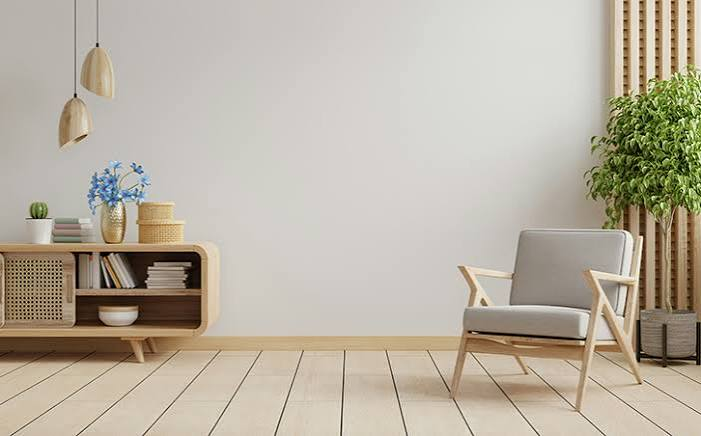
Minimalism takes the idea a step further. Rather than simply tidying what you already own, it asks you to be more intentional about what comes into your home in the first place. The goal is not empty rooms or strict rules. It is keeping what genuinely adds value and letting go of the rest.
Many people who embrace this approach say it changes more than their living space. With fewer possessions to maintain, they spend less time cleaning and organizing, and more time on the things they actually enjoy. Some also find they spend less money, having grown more thoughtful about impulse purchases.
The trend has found a natural home online, where tidy, pared-back spaces are shared and admired daily. Yet the deeper appeal has less to do with how a room looks in a photo and more to do with how it feels to live in. A home with less clutter can feel like a retreat from a busy, fast-moving world.
None of this requires a dramatic overhaul. Minimalism looks different for everyone, and the point is not to strip life down to the bare minimum. It is to make space, both physical and mental, for what matters most to you.
Simple Ways to Start Decluttering
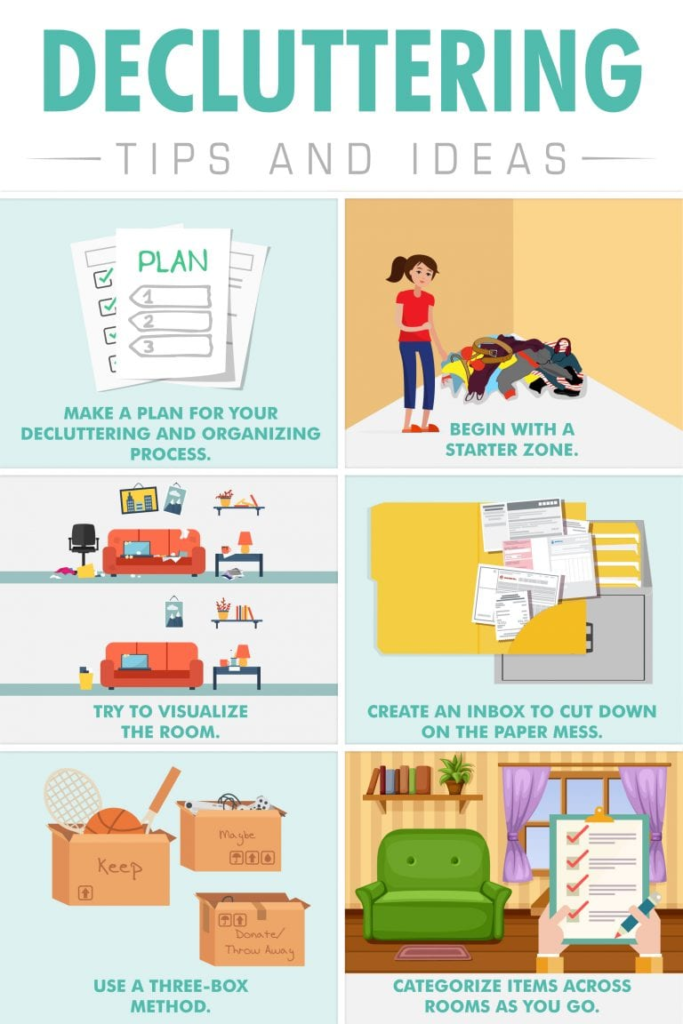
Anyone curious about the practice can start small. A few easy habits make the process feel manageable rather than overwhelming:
- Begin with one small area. A single drawer or shelf is easier to finish than a whole room, and the quick win builds momentum.
- Use the one-year rule. If you have not used or worn something in a year, it is usually safe to let it go.
- Handle each item once. Decide to keep, donate, or discard it on the spot rather than moving it from pile to pile.
- Keep a donation box handy. A ready box makes it easy to pass things on instead of holding onto them out of habit.
- Go slow and steady. A few minutes a day adds up, and small regular efforts are easier to maintain than one exhausting purge.
Follow us for more updates and news!