



Why the classic “midlife crisis” is more myth than certainty, and what the research really says.
You wake up one morning somewhere in your forties, look at your life, the job, the routine, the reflection in the mirror, and a quiet question surfaces: is this it? If that sounds familiar, you are in very good company. The “midlife crisis” has become cultural shorthand for exactly that moment, usually illustrated with a red sports car and a rash decision. But the reality, according to researchers, is far more interesting, and far less predictable, than the cliché suggests.
The dramatic, life-detonating midlife crisis is largely a cultural invention. Studies suggest only a minority of people experience a full-blown crisis, and psychologists increasingly prefer the term “midlife transition.” The idea gained traction decades ago and stuck because it makes for a good story, not because most people blow up their lives at 45. For years, researchers pointed to a “U-shaped happiness curve,” the notion that well-being dips to its lowest point in midlife before rising again in later years. But recent research has cast serious doubt on even that, with some large studies finding the U-shape far weaker than long assumed, or vanishing altogether. In short, there is no single, universal midlife script.
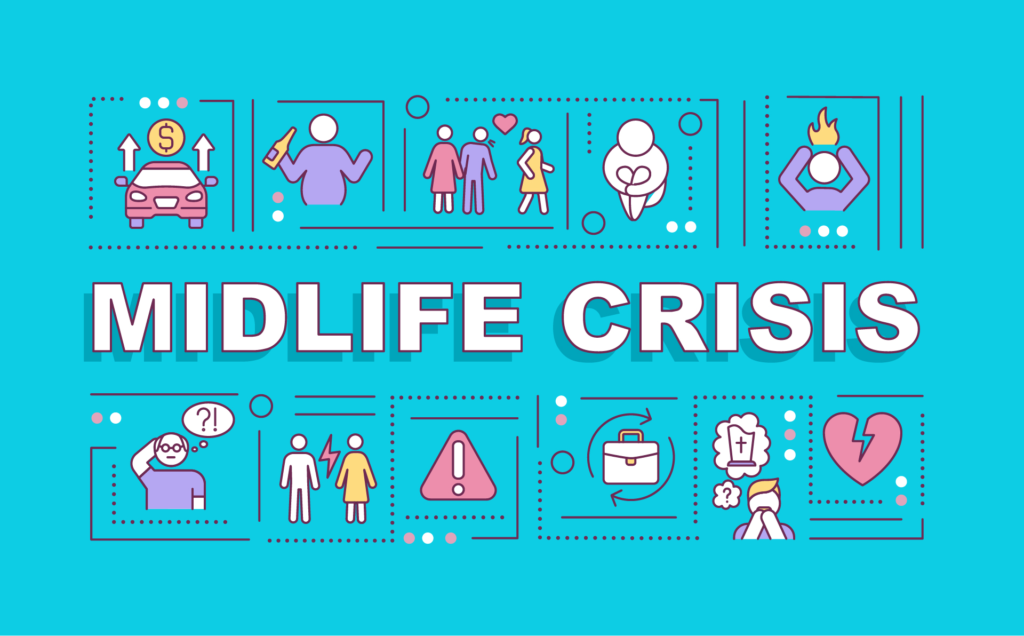
Just because most people do not have a crisis, though, does not mean the middle years are always smooth. What many do experience is a period of intense reevaluation. The psychologist Carl Jung called midlife the “afternoon of life,” a natural time of self-reflection rather than breakdown. This is when people start asking bigger questions about meaning, purpose, and what they want the second half of life to look like. It can feel unsettling, but reflection itself is healthy. The distinction researchers draw is a useful one: a transition asks, “Where do I want to go next?” while a crisis insists, “Everything must change right now.”
Midlife crisis signs and what triggers them
Because it affects people differently, there is no tidy checklist. That said, certain patterns come up again and again: restlessness or boredom, a nagging sense of dissatisfaction, questioning past choices, and a feeling that time is running out. Some people become preoccupied with their appearance or health, romanticize the past, or feel an urge to make sudden, dramatic changes to their career or lifestyle. Mood swings, irritability, and a loss of interest in things once enjoyed are also common. Recognizing these as signals, rather than character flaws, is the first step to handling them well.
Midlife rarely unravels for no reason. Often there is a catalyst: children leaving home, the death of a parent, a health scare, a divorce, or a career setback. For many, it is tied to identity shifts, the loss of a work role as retirement nears, or the “empty nest” as a parenting phase ends. For women, the timing frequently overlaps with the physical and hormonal changes of menopause. Underlying much of it is a growing awareness of mortality, the sense that the runway ahead is shorter than the one behind. These are not signs of weakness. They are the natural pressures of a demanding stage of life.
When a midlife crisis is more than a transition
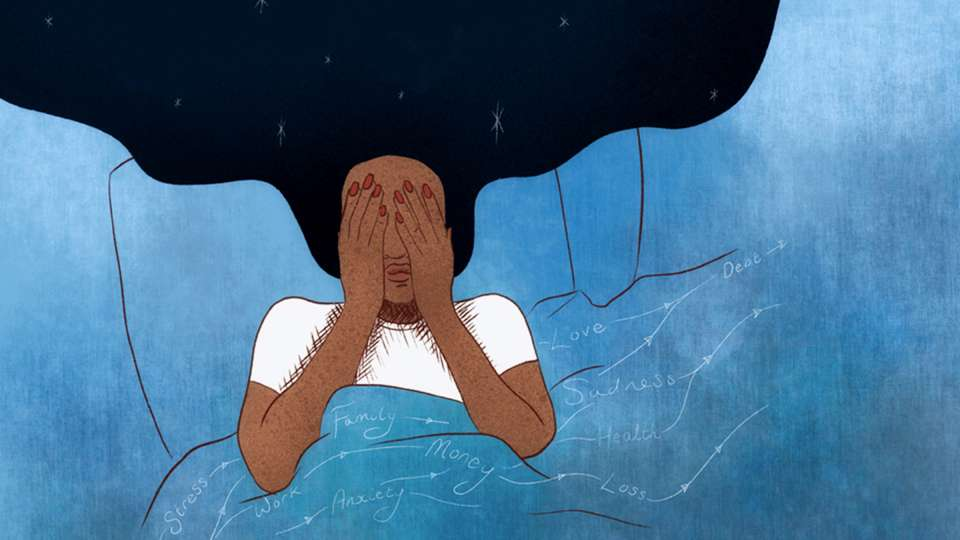
This is where care matters. Many midlife symptoms overlap with clinical depression and anxiety, and it is important not to wave them away as “just a phase.” Persistent low mood, hopelessness, loss of interest, changes in sleep or appetite, or leaning on alcohol or other substances to cope are signs that warrant real attention rather than a new hobby. If these feelings linger or deepen, speaking with a doctor or mental health professional is a wise and healthy move, not an overreaction.
How to cope with a midlife crisis
The good news is that a midlife transition can be a launchpad rather than a dead end. Psychologists often frame this stage as a choice between “generativity and stagnation,” between investing in things that outlast you and feeling stuck. Practical steps help: protecting your sleep, staying physically active, and nurturing close relationships all build resilience. So does reconnecting with a sense of purpose, whether through mentoring, volunteering, creative work, or simply shedding the roles that no longer fit. Many people emerge from this period clearer about what they want and, research suggests, genuinely happier on the other side.
The middle of life is not a countdown to decline. For most people, it is a recalibration, a chance to ask honest questions and adjust course while there is plenty of road left. The sports car is optional. The self-reflection, handled with a little patience and the right support, is where the real value lies.
Disclaimer: If you are struggling with your mental health, consider reaching out to a qualified professional or someone you trust.