

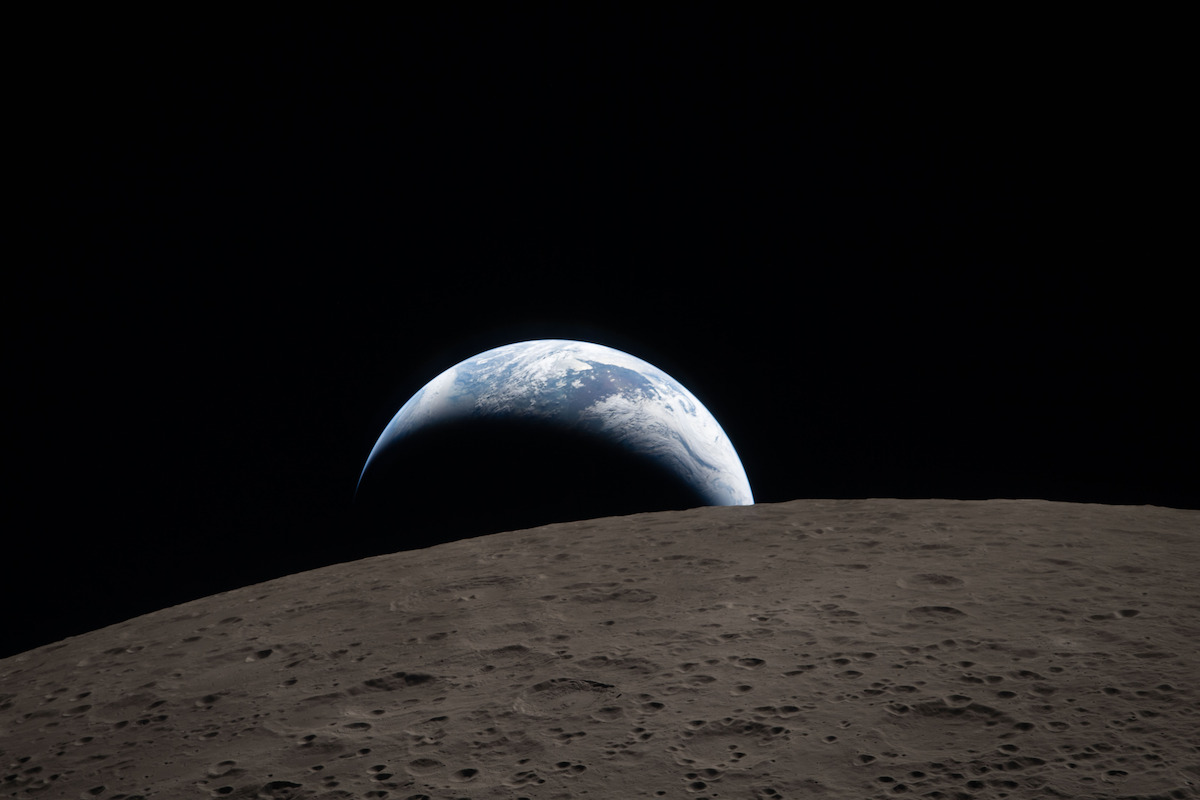
The first total solar eclipse over mainland Europe since 1999 will darken skies over Spain, Iceland and Greenland this week.
For the first time in more than a quarter of a century, the Moon is about to switch off the Sun over mainland Europe. On Wednesday, August 12, 2026, a total solar eclipse will trace a path across the northern hemisphere, briefly turning day into an eerie twilight for those lucky enough to be standing in the right place.
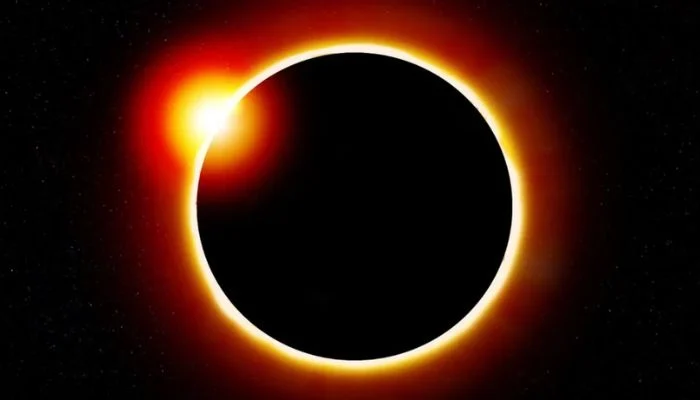
A total solar eclipse happens when the Moon passes directly between the Earth and the Sun, blocking out the solar disc entirely and revealing the Sun’s ghostly outer atmosphere, the corona. According to the European Space Agency, this is the first such event visible from mainland Europe since 1999, which makes it a genuinely rare occasion for the continent. Beyond the narrow band where the eclipse is total, close to a billion people across Europe, northwest Africa and parts of North America will be able to see the Sun at least partially covered.
Where the August 12 Total Solar Eclipse Will Be Visible
The path of totality, the narrow strip where the Sun is completely hidden, is a select one. It will sweep across eastern Greenland, western Iceland, the northern half of Spain and a small corner of northeastern Portugal before the shadow races out over the sea.
Spain is the star of the show. It will experience the largest area of totality in Europe, as the eclipse crosses the country from west to east and continues out over the Balearic Islands. Remarkably, this is the first total solar eclipse visible from mainland Spain since 1905, more than a century ago, and it opens a rare run of three solar eclipses visible from the country between 2026 and 2028. Around 15 million people, most of them in Spain, live within the path of totality.
Everyone else in the region should not feel left out. Much of Western Europe, including the UK and Ireland, will witness a dramatic partial eclipse, with the Sun more than 90 per cent obscured in many places. Northern parts of the United States and Canada will catch a partial eclipse too.
What Time the Eclipse Happens and What to Expect
Timing is everything with an eclipse, and this one has an unusual character. For observers in Spain, the eclipse arrives in the early evening, roughly an hour before sunset, with the Sun hanging low on the western horizon. That makes it what astronomers call a golden hour eclipse, and the combination of a low Sun and gathering twilight could produce a spectacularly atmospheric display.
The Moon’s shadow will first touch down and begin its journey across the Arctic before sweeping southeast. In western Spain, totality is expected to begin at around 20:27 local time, with the total phase lasting up to roughly two minutes depending on location. The populous cities of Madrid and Barcelona sit just outside the band of totality, so observers there will see a very deep partial eclipse rather than the full effect, a reminder that even a few kilometres can make the difference between a partial and a total experience.
During totality, watchers can expect the sky to darken dramatically, the temperature to drop, and the Sun’s shimmering corona to appear around the black disc of the Moon. It is a fleeting, unforgettable sight, and for many it becomes a lifelong memory.
How to Watch the Eclipse Safely
This is the part that matters most. Looking at the Sun is dangerous, and a solar eclipse is no exception. Except during the brief moments of total coverage, staring at the Sun without proper protection risks permanent eye damage, so the golden rule is simple. Never look directly at the Sun, even when it is mostly covered, without proper eye protection such as certified solar eclipse glasses.
Ordinary sunglasses, no matter how dark, do not count and will not protect your eyes. Those hoping to photograph the event need a specialised solar filter for their camera, since the concentrated sunlight can destroy a camera sensor almost instantly. A simple and completely safe alternative is a pinhole projector, which lets you watch the eclipse’s progress projected onto a surface without ever looking at the Sun.
For anyone outside the path or clouded out, there is an easy backup. The European Space Agency and other organisations will be livestreaming the eclipse online, with ESA hosting coverage from León in Spain, combining telescope feeds and expert commentary so viewers anywhere in the world can share in the moment.
If this one passes you by, the sky has more in store. Spain will host another total solar eclipse on August 2, 2027, followed by an annular eclipse on January 26, 2028, completing a rare trio of eclipses over the Iberian Peninsula. But for now, all eyes turn to August 12, when the Moon steps in front of the Sun and, for a precious couple of minutes, reminds us how spectacular our small corner of the cosmos can be.


