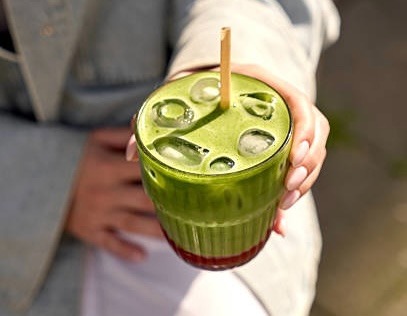
For a country where a steaming cup of doodh pati or karak chai is almost a daily ritual, Pakistan’s growing fascination with matcha may seem surprising. Yet over the past two years, the vibrant green Japanese tea has steadily made its way from niche café menus to mainstream coffee chains, specialty beverage brands, and even home kitchens.
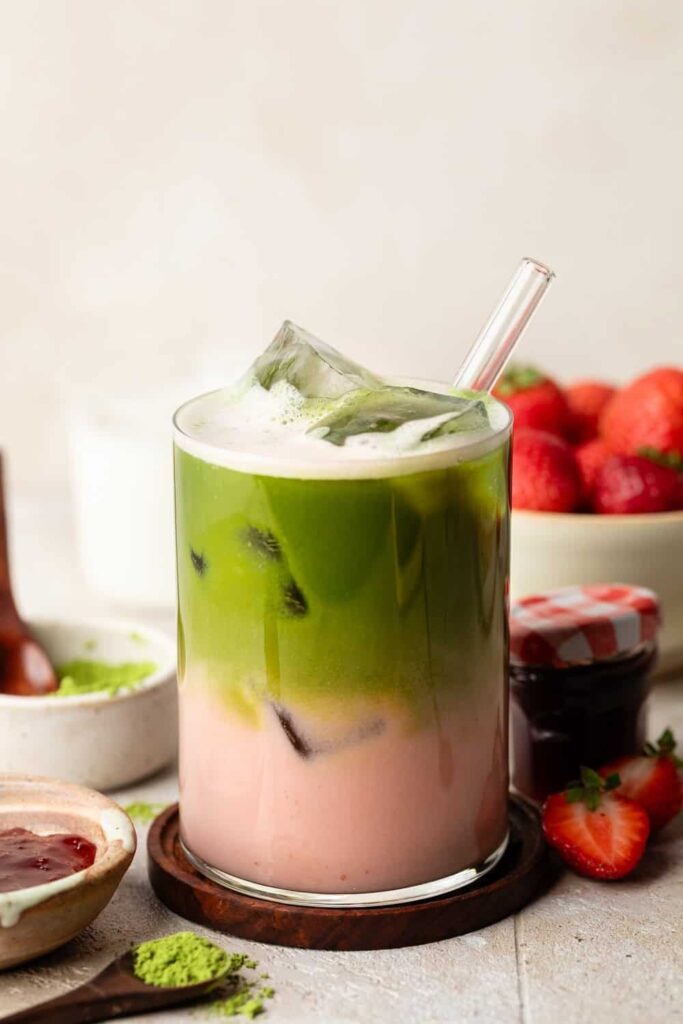
Walk into a popular café in Karachi, Lahore, or Islamabad today, and chances are you’ll find an entire section dedicated to matcha-based drinks. From iced strawberry matcha and coconut matcha lattes to cheesecakes and soft serves, what was once considered an unfamiliar wellness drink has evolved into one of Pakistan’s most talked-about food and beverage trends. But the question remains: is this simply another social media craze, or does matcha have the potential to become a permanent part of Pakistan’s beverage culture?
Matcha is a finely ground powder made from specially grown green tea leaves and has been consumed in Japan for centuries, particularly in traditional tea ceremonies. Globally, however, its popularity has surged only in recent years, largely driven by wellness culture and social media. Platforms such as TikTok and Instagram have turned the bright green drink into a lifestyle symbol, with influencers showcasing aesthetically pleasing matcha preparations and promoting it as a healthier alternative to coffee. The hashtag #matcha has attracted millions of posts across social media, helping fuel worldwide demand.
Pakistan has followed a similar pattern. Initially available only in a handful of upscale cafés around 2017, matcha remained a niche product for several years. Its real breakthrough came during 2024 and 2025, when café culture expanded rapidly and consumers, particularly younger urban professionals and university students, began embracing international food trends. Today, matcha is no longer confined to luxury cafés. It is increasingly available through local online retailers, specialty grocery stores, and international coffee chains operating across Pakistan.
There is no denying that social media has played a major role in matcha’s popularity. Its vibrant green colour photographs exceptionally well, making it an ideal beverage for Instagram stories and TikTok videos. Cafés have capitalised on this appeal by pairing matcha drinks with minimalist interiors, handcrafted ceramics, and colourful seasonal flavours.
However, aesthetics alone cannot explain the sustained demand. Many consumers are increasingly drawn to matcha because of its perceived health benefits. Unlike coffee, which can cause sudden spikes and crashes in energy for some people, matcha contains both caffeine and L-theanine, an amino acid that may promote a calmer, more sustained feeling of alertness. Although research on health benefits continues, matcha is also rich in antioxidants, contributing to its reputation as a wellness beverage. Experts caution, however, that many café versions contain added sugars and syrups, meaning they should not automatically be viewed as healthier than other specialty drinks.
This growing emphasis on health and wellness aligns with changing consumer habits in Pakistan, particularly among Gen Z and millennials, who are increasingly willing to experiment with global food and beverage trends.
Pakistan’s café industry has been instrumental in popularising matcha. Rather than serving only traditional hot matcha, cafés have adapted the drink to local tastes by introducing flavoured variations such as mango matcha, blueberry matcha, strawberry matcha, and creamy iced lattes. Matcha has also expanded into desserts, including cookies, tiramisu, cheesecakes, brownies, and soft-serve ice cream.
This constant innovation has helped transform matcha from a specialty tea into a versatile menu category. Industry observers note that cafés are also using matcha to differentiate themselves in an increasingly competitive market. Offering visually distinctive beverages creates opportunities for customer engagement and social media marketing while attracting consumers seeking new experiences.
Despite its rapid rise, matcha still faces several barriers before it can become a mainstream everyday drink in Pakistan.
Price remains one of the biggest challenges. Authentic ceremonial-grade matcha is imported primarily from Japan, making it significantly more expensive than traditional tea or coffee. A single café serving can cost several times more than a regular cup of chai.
Global supply has also become increasingly strained. The worldwide surge in demand has created shortages among major Japanese producers, pushing up prices and lengthening delivery times. Producers are struggling to keep pace with demand, raising concerns about future supply stability.
Taste is another hurdle. Unlike sweet milk teas commonly enjoyed in Pakistan, matcha has an earthy, grassy flavour that many first-time drinkers find unusual. As a result, cafés often blend it with milk, fruit purées, or flavoured syrups to make it more approachable for local consumers.
While matcha’s explosive popularity was undoubtedly accelerated by social media, several signs suggest it is more than a passing fad.
Unlike short-lived food crazes that disappear after a few months, matcha has continued expanding into new products, retail shelves, and café menus. Market analysts also project continued growth in Pakistan’s matcha industry, supported by increasing consumer awareness, café expansion, and rising demand for premium beverages. That does not mean it will replace Pakistan’s beloved chai anytime soon. Tea remains deeply woven into the country’s culture, hospitality, and daily routines.
Instead, matcha appears to be carving out its own niche, appealing to younger consumers looking for variety, wellness-focused alternatives, and globally inspired experiences. Whether enjoyed for its flavour, perceived health benefits, or simply its Instagram-worthy appearance, matcha has moved well beyond novelty.
For now, Pakistan’s relationship with matcha looks less like a fleeting obsession and more like the beginning of a lasting shift in the country’s evolving café culture.