

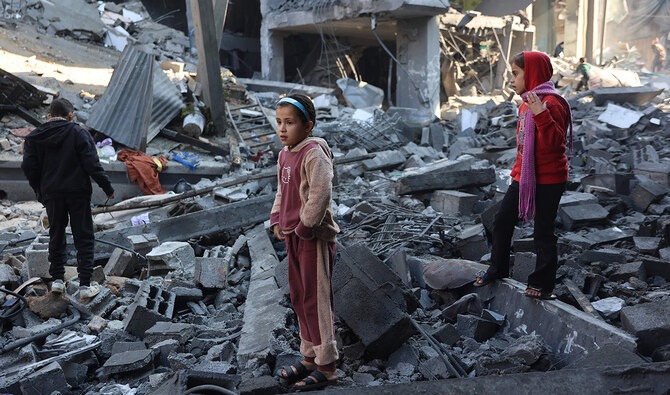
For thousands of Palestinians in Gaza who have lost limbs during the ongoing conflict, access to prosthetic care has become one of the many challenges of recovery. Long waiting times, damaged healthcare infrastructure and shortages of specialised equipment have left many amputees without the support they need to regain mobility.
A humanitarian initiative led by the United Arab Emirates is aiming to address part of that challenge. Through the Step of Hope programme, advanced digital technology is being used to produce custom prosthetic limbs in as little as three days for some patients, significantly reducing a process that traditionally takes several weeks.
The initiative was launched in June 2026 under the UAE’s Operation Chivalrous Knight 3, a humanitarian campaign established to provide medical and relief assistance to Palestinians affected by the war in Gaza. The programme is being implemented in partnership with humanitarian organisations and medical specialists, with prosthetic services provided through the UAE’s floating hospital in Al Arish, Egypt.
Rather than relying on conventional plaster casting, Step of Hope uses 3D scanning technology to capture detailed measurements of a patient’s residual limb. These digital scans are used to design and manufacture customised prosthetic limbs before patients are fitted and begin rehabilitation.
The use of digital workflows has enabled some participants in the workshop to receive a prosthetic limb in approximately three days. Medical experts involved in the programme note that this timeframe reflects the streamlined process demonstrated during the initiative and may vary depending on each patient’s medical condition and rehabilitation requirements.
The programme comes at a time when the need for prosthetic services in Gaza has reached unprecedented levels. According to Reuters, there are around 5,000 conflict-related amputees in Gaza, with approximately one-quarter of them children. Many lost limbs as a result of injuries sustained during the war and continue to face limited access to long-term rehabilitation and prosthetic care.
Healthcare providers say that prosthetic limbs are only one part of the recovery process. Patients often require months of physiotherapy, mobility training and psychological support to adapt to life after amputation. Recognising this, the Step of Hope initiative combines prosthetic fitting with rehabilitation services designed to help patients regain independence.
The UAE has said the programme is also intended to strengthen long-term prosthetic care by supporting local manufacturing capacity and improving the availability of rehabilitation services. Alongside fitting prosthetic limbs, the initiative aims to establish systems that can continue serving patients as demand remains high.
As of late July 2026, the UAE reported that its floating hospital had successfully fitted 51 Palestinian patients with prosthetic limbs through the programme. The hospital continues to provide follow-up treatment, rehabilitation and specialist medical care for patients transferred from Gaza.
Despite these efforts, humanitarian organisations continue to warn that the overall need remains far greater than the current capacity. Ongoing conflict, repeated displacement and extensive damage to Gaza’s healthcare infrastructure have made it difficult for many amputees to access consistent treatment. Shortages of prosthetic materials, specialised staff and rehabilitation facilities continue to affect recovery for thousands of patients.
Medical professionals have repeatedly stressed that rehabilitation following amputation is a long-term process that extends well beyond receiving an artificial limb. Regular adjustments, physical therapy and continued medical support are often required as patients recover and adapt.
The Step of Hope initiative represents one example of how digital technology is being used to speed up humanitarian healthcare delivery during a crisis. By combining rapid 3D scanning, prosthetic manufacturing and rehabilitation services, the programme seeks to reduce waiting times for patients while restoring mobility and improving quality of life.
Although it cannot meet the needs of every amputee in Gaza, the initiative offers faster access to essential prosthetic care for some of those whose lives have been permanently changed by the conflict, highlighting both the possibilities of modern medical technology and the continuing humanitarian needs in the region.