


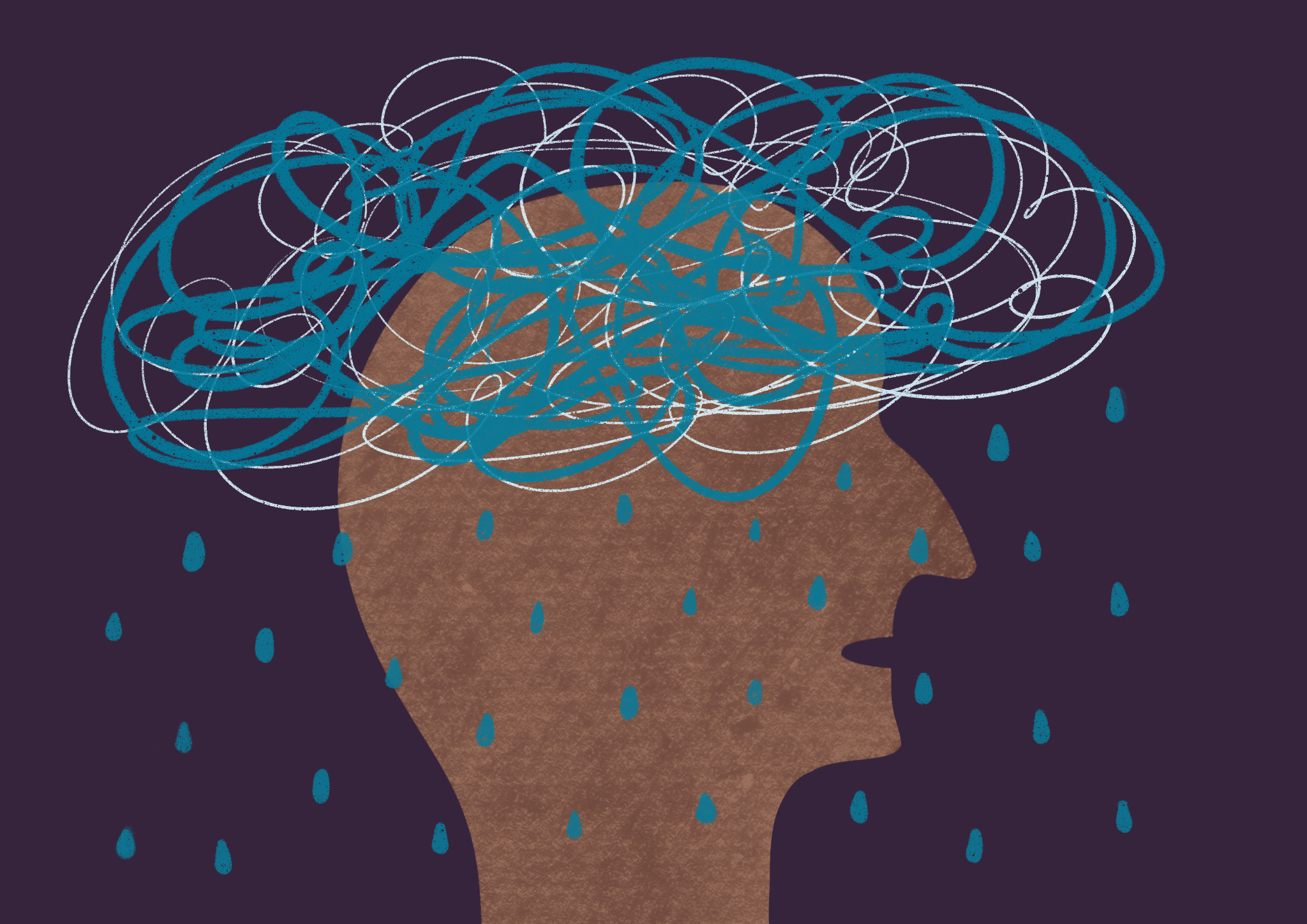
A two-minute change to how you start the day can quietly lower the anxiety your phone builds up.
For a lot of people, the day begins with a screen. The alarm goes off, and within seconds a hand is reaching for the phone, pulling in emails, headlines, and overnight messages before the eyes have even fully opened. It feels harmless. Neuroscience research suggests it may be setting a stressed, scattered tone for the hours that follow.
The first 10 to 30 minutes after waking are a uniquely quiet window. Thoughts are still self-directed, and the nervous system hasn’t yet been pulled into the demands of the day. Picking up the phone collapses that window almost instantly, replacing internal grounding with a flood of external input. Mental health experts sometimes call this a lost “identity moment,” a missed chance to notice how you actually feel before the world tells you how to feel.
There’s a physical side to it too. Research has shown that even text message notifications can cause measurable increases in cortisol, the body’s main stress hormone. When that spike happens while you’re still in bed, especially if the first thing you read is a work email or an alarming headline, the body becomes jittery and the mind edgy. A disrupted morning cortisol pattern has been identified as a key reason people wake up already feeling overwhelmed.
Why the First Hour of Screen Time Sets the Tone
Starting the day by moving straight from sleep into a stream of apps and feeds does more than spike stress hormones. It trains the brain into a reactive, scattered state. A few things happen at once in those early minutes:
- Attention gets shaped by task-switching. The brain takes its cue from the first patterns it’s exposed to, so beginning with rapid scrolling makes deep focus harder later, not as a matter of willpower but of conditioning.
- Cognitive energy drains early. Every scroll and tap is a micro-decision about what to read, ignore, or answer. By the time real work begins, a chunk of mental energy has already been spent.
- The phone’s mere presence costs focus. Studies have found that simply having a smartphone nearby can lower performance on tests of working memory and attention.
- The dopamine baseline climbs. Using the phone first thing can raise the level of stimulation the brain expects, which is part of why one morning scroll so often turns into an all-day habit of chasing small spikes.
The Two-Minute Habit That Helps
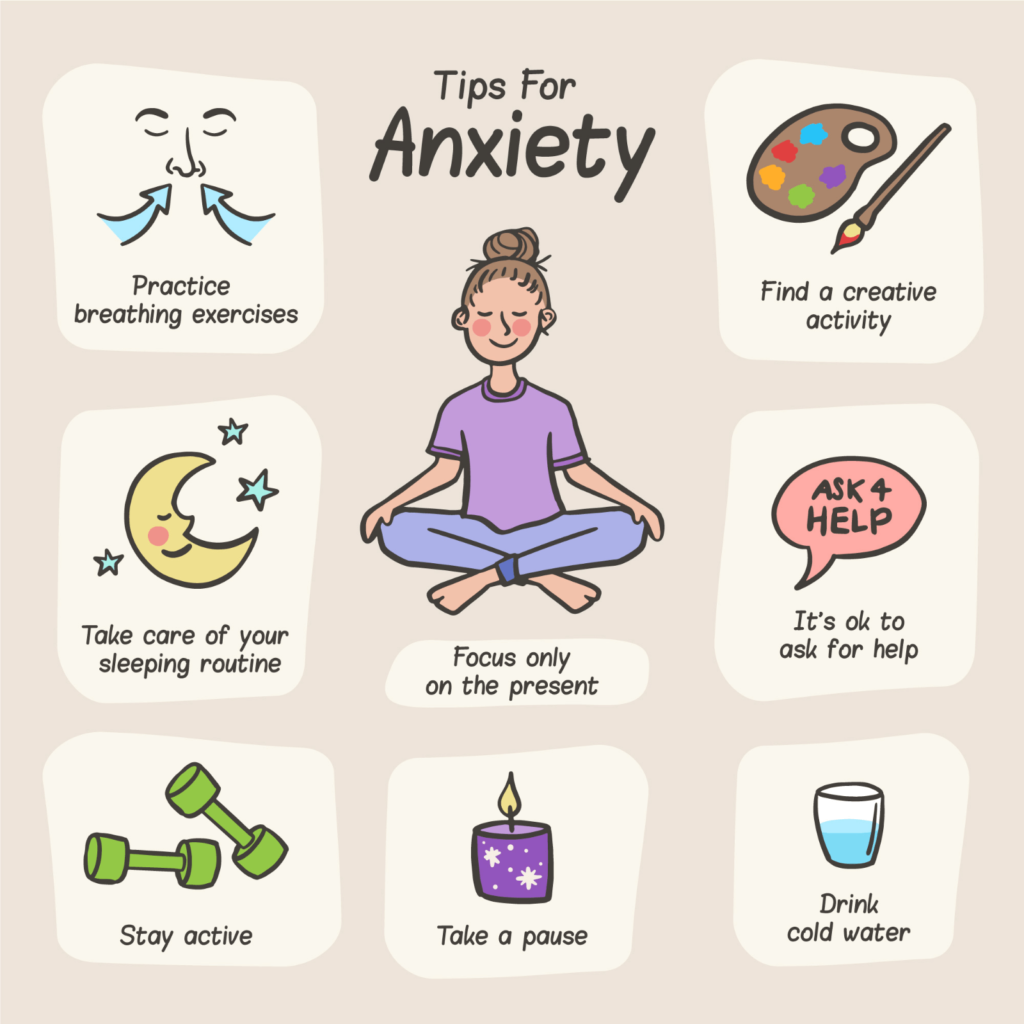
The fix doesn’t require a full digital detox or a rigid new routine. It starts with protecting the first two minutes after waking, keeping them screen-free, and using them to check in with yourself before the outside world floods in.
In practice, that can be as simple as sitting up and taking a few slow breaths, noticing how the body feels, or looking out a window before touching any device. Two minutes of focused breathing or quiet reflection gives the nervous system a chance to settle into the day at its own pace, rather than jolting straight into fight-or-flight mode. The goal is a calmer starting point, not a productivity hack.
A few small adjustments make it easier to stick to:
- Move the phone out of reach. Leaving it in another room overnight, or at least across the room, removes the temptation to grab it on autopilot.
- Use a real alarm clock. A traditional alarm means the phone doesn’t have to be the first thing you touch.
- Extend the window gradually. Start with two minutes, then stretch it to ten, and eventually toward the first half hour, which is what many experts suggest aiming for over time.
What Changes When You Wait
People who delay that first screen check often notice the difference within days. The shift tends to show up in a few ways:
- Mornings feel less frantic, and the low-grade sense of alarm that used to accompany waking up starts to fade.
- Focus comes more easily through the day, since attention hasn’t been scattered before work even begins.
- Over time, the brain stops associating the moment of waking with a rush of stress.
Two screen-free minutes at the front of the morning is a small change, and for many people it’s enough to shift the tone of everything that comes after.