

Islamabad is expected to host a new round of US-Iran technical talks in mid-July.
Islamabad is expected to host a fresh round of US-Iran technical talks on July 14 and 15, according to Geo News, which cited government sources. The meetings would bring together technical experts from both sides for a third round of negotiations aimed at securing a lasting settlement in the Middle East.
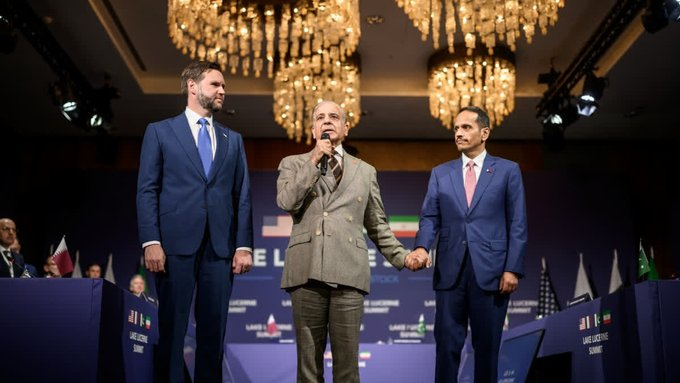
The talks form part of a diplomatic track that has run for months, with Pakistan and Qatar acting as mediators between Washington and Tehran. Two earlier rounds of technical talks were held in Switzerland and in Doha, and this would mark the second time the two delegations gather in the Pakistani capital.
The timing remains tied to events inside Iran. Al Arabiya reported that the level of Iran’s delegation will be decided after the funeral of the country’s late Supreme Leader, Ayatollah Ali Khamenei, whose ceremonies were held in early July.
The upcoming round is set to focus on several difficult issues that have shaped the negotiations from the start. According to Al Arabiya, the agenda includes US sanctions on Iran, Iranian frozen assets, and the Iranian nuclear file, three subjects that have repeatedly slowed progress toward a permanent agreement.
Those themes trace back to a memorandum of understanding reached in June and brokered by Pakistan and Qatar. The framework paused a war that had broken out earlier in the year, established a 60-day ceasefire, and called for the reopening of the Strait of Hormuz to commercial shipping. Major questions, including the future of Iran’s nuclear program and the release of frozen funds, were left for later rounds of talks to resolve.
The most recent discussions in Doha touched on some of these points directly. Al Jazeera reported that negotiators addressed the administration of the Strait of Hormuz and the unfreezing of billions of dollars in Iranian assets held abroad. Commercial traffic through the strait has begun to recover, with shipping data cited by Al Jazeera showing a sharp rise in vessel movements in late June.
US- IRAN TALKS: Cautious Optimism Around the Islamabad Process
Mediators have described recent contacts in measured but positive terms. In a joint statement reported by CBS News, spokespeople for Qatar and Pakistan said the Doha talks produced positive progress on issues connected to the memorandum and agreed to continue in the coming period. The next meeting, they said, would be scheduled after the funeral processions in Iran concluded.
Officials from the two governments have also signaled that diplomacy is holding. According to CBS News, US Vice President JD Vance said the Doha talks were going well and indicated that discussion of the nuclear question would follow. He did not, however, rule out a return to military action if negotiations were to break down.
Analysts remain cautious about how much has actually been settled. A scholar cited by CBS News noted that recent sessions appeared to revisit terms already contained in the June memorandum, rather than break new ground on the hardest questions. The nuclear file in particular continues to divide the two sides, with Washington pressing for strict limits and Tehran defending what it describes as a civilian program.
The parties have set out a path, and much will depend on whether the coming meeting in Islamabad can move beyond the issues that earlier talks left open.