


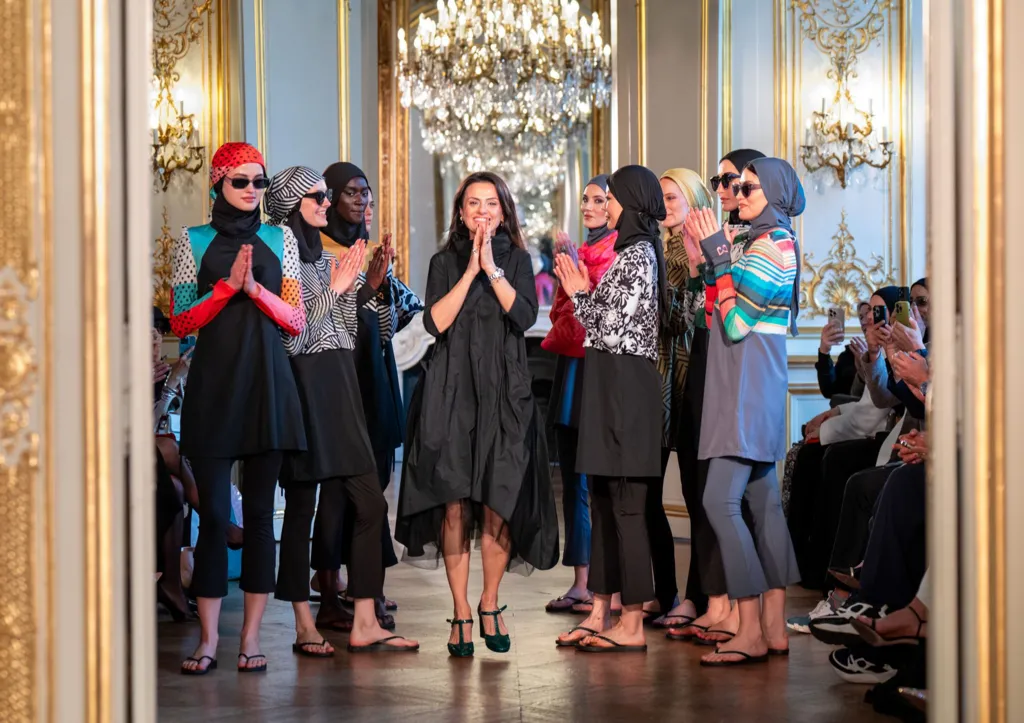
Paris Modest Fashion Week 2026 was held in Paris for the first time, marking the city’s debut as a host for an event dedicated exclusively to modest fashion. The event formed part of the broader international Modest Fashion Week series, which has previously been organized in cities such as Istanbul, Dubai, and London.
The Paris edition brought together approximately 30 designers from different regions, including Europe, the Middle East, and Asia. These designers presented collections that align with the principles of modest fashion, a category generally characterized by garments that provide greater body coverage through longer hemlines, looser silhouettes, and layering. The collections included a range of apparel such as maxi dresses, abayas, tunics, and coordinated sets, as well as head coverings designed to complement the outfits.
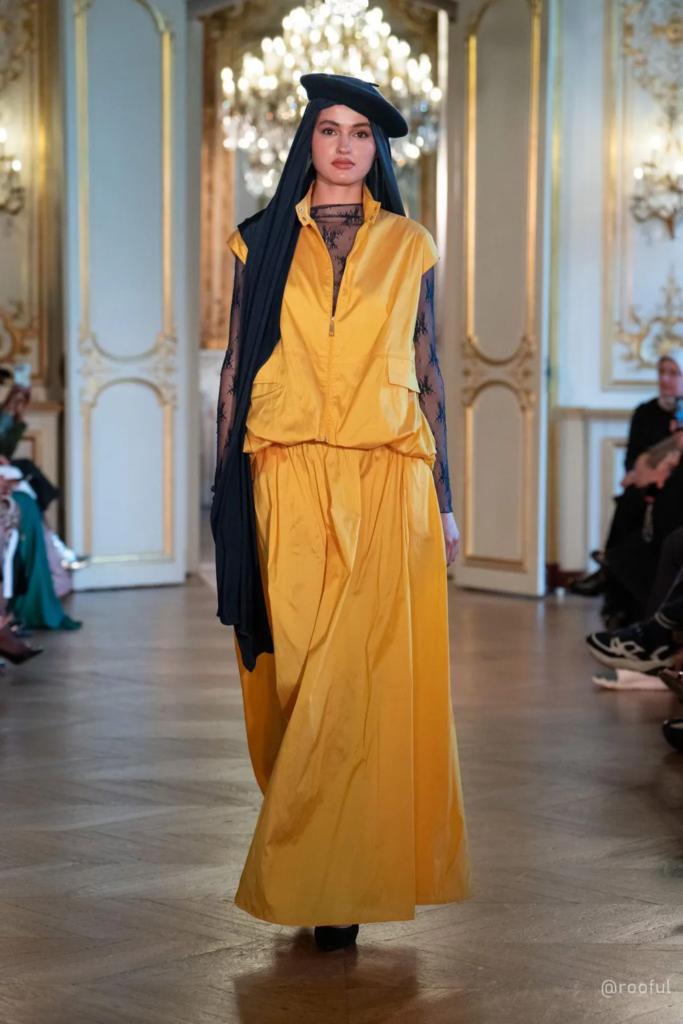
The event was hosted at Hôtel Le Marois, a historic venue located in central Paris. Over the course of three days, the program included runway shows, designer presentations, and networking sessions involving industry professionals, buyers, and media representatives. The structure of the event followed a format similar to other international fashion weeks, with scheduled showcases allowing each designer or brand to present their collections to attendees.
Part of a Growing International Fashion Platform
Modest Fashion Week is a recurring international platform that was first launched in 2016. Since its inception, it has aimed to provide designers working within the modest fashion segment an opportunity to present their work to global audiences. The Paris edition represented an expansion of this platform into one of the world’s major fashion capitals, which are often referred to collectively as the “Big Four”: Paris, Milan, London, and New York.
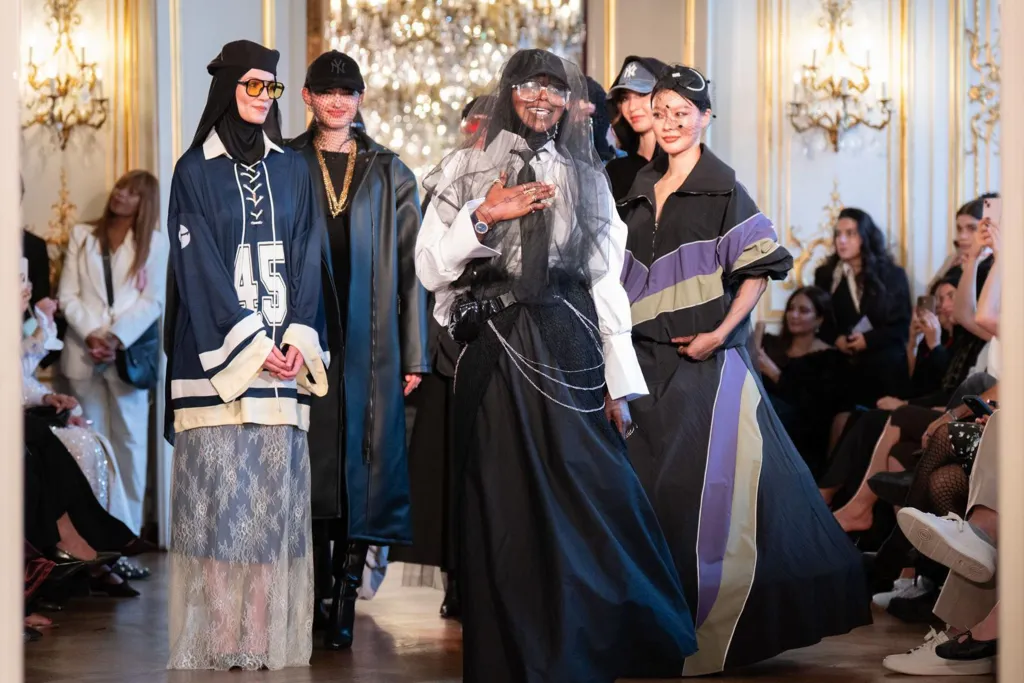
The participation of designers from multiple regions reflects the global scope of the modest fashion market. Industry reports published prior to 2026 indicate that the modest fashion sector has experienced consistent growth, driven by demand in regions such as the Middle East, Southeast Asia, and parts of Africa, as well as among diaspora communities in Europe and North America. The Paris event served as a venue where designers catering to these markets could present their collections within a European context.
Design Elements and Collections
The collections presented during the event incorporated a variety of fabrics, textures, and design techniques. Some designers used traditional textiles and craftsmanship associated with their regions, while others employed contemporary cuts and styling approaches. The runway presentations featured layered outfits, wide-leg trousers, long coats, and dresses designed with extended sleeves and higher necklines. Headscarves and other forms of head coverings were also included as part of several collections, either as functional elements or coordinated accessories.
In addition to runway shows, the event included opportunities for professional engagement within the fashion industry. Buyers, influencers, and members of the press attended the showcases, contributing to the visibility of participating designers. The presence of international attendees highlights the cross-border nature of the modest fashion market and its integration into the broader global fashion ecosystem.
The hosting of a modest fashion-focused event in Paris also reflects the city’s role as a central hub for fashion-related activities. Paris regularly hosts major events such as Paris Fashion Week, which attracts designers, brands, and media from around the world. The addition of a modest fashion week event introduces a new category within the city’s established fashion calendar.
Paris Modest Fashion Week 2026 functioned as a platform for designers to showcase modest fashion collections within an international setting. It brought together participants from multiple regions, presented a range of garments aligned with modest fashion principles, and followed a structured format consistent with other global fashion events.


