We grow up hearing about Pakistan’s history, mountains, rivers and famous landmarks, but how much do we actually know about the country beyond the usual textbook facts?
- 1. K2 isn’t just Pakistan’s highest mountain. It’s the world’s second-highest.
- 2. Pakistan has the world’s largest contiguous irrigation system
- 3. Mohenjo-daro had an impressive drainage system thousands of years ago
- 4. Pakistan has a dolphin that lives in the Indus River
- 5. Makli is essentially a massive city of the dead
- 6. Pakistan has six UNESCO World Heritage Sites
- 7. Pakistan’s landscape changes dramatically from north to south
- 8. Pakistan has extensive mangrove forests in the Indus Delta
- 9. Taxila was an important centre of learning and culture
- 10. Pakistan’s history goes much further back than 1947
Pakistan is far more diverse than its commonly told stories suggest. It is home to one of the world’s oldest urban civilisations, the second-highest mountain on Earth, rare wildlife and some of the largest archaeological and burial sites in the region. Here are 10 facts about Pakistan that might genuinely surprise you.
1. K2 isn’t just Pakistan’s highest mountain. It’s the world’s second-highest.
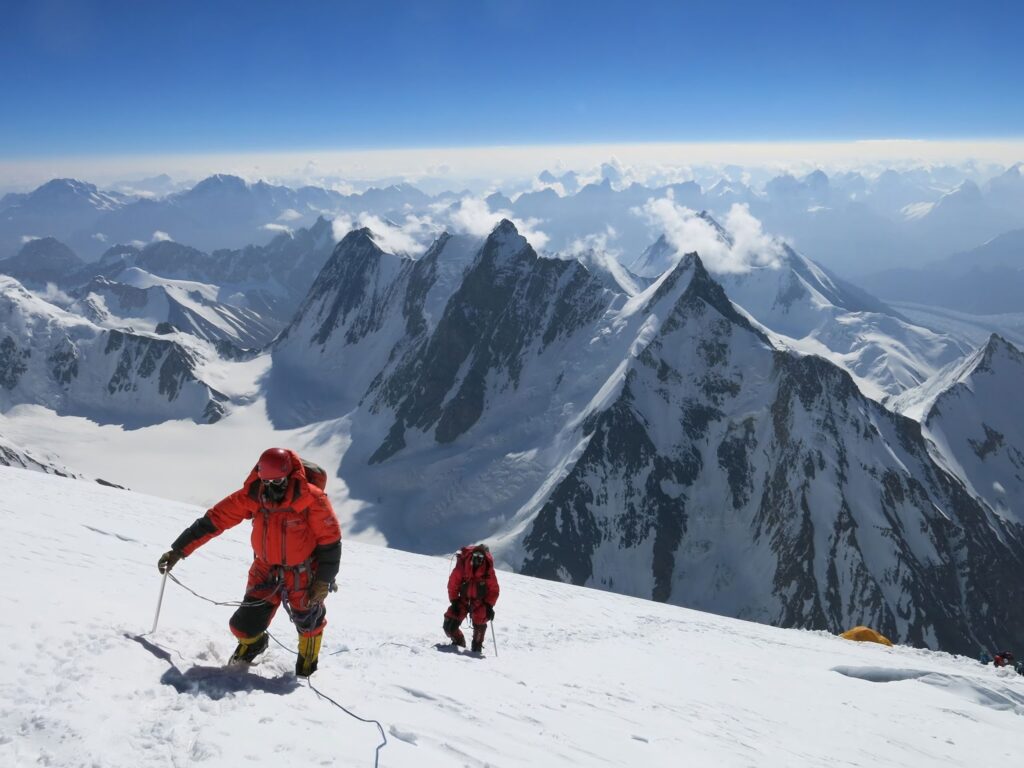
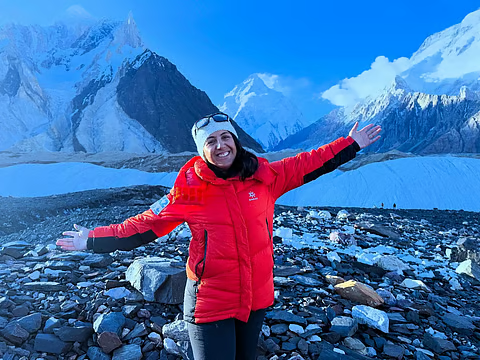
Most Pakistanis know K2 as the country’s highest peak, but its global ranking makes it even more remarkable. Standing at 8,611 metres, K2 is the second-highest mountain in the world after Mount Everest. Located in the Karakoram range, K2 is also considered one of the world’s most difficult major mountains to climb because of its steep terrain and challenging weather conditions.
2. Pakistan has the world’s largest contiguous irrigation system
Agriculture in Pakistan depends heavily on the Indus River system, but the scale of the irrigation network is easy to underestimate. According to the Food and Agriculture Organization, the Indus Basin irrigation system is the world’s largest contiguous irrigation system. It covers around 18 million hectares and plays a central role in the country’s agricultural economy.
3. Mohenjo-daro had an impressive drainage system thousands of years ago
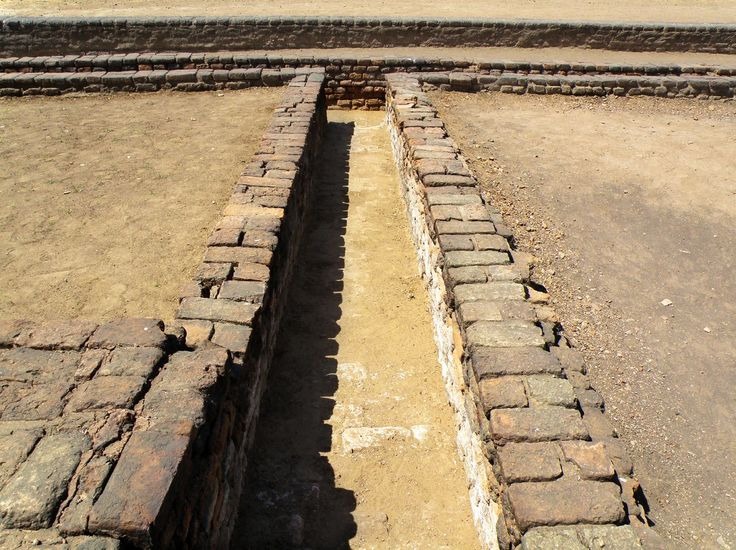
Long before modern sewage systems and urban planning, the people of Mohenjo-daro were building a remarkably organised city. The ancient settlement in Sindh featured planned streets, wells, public baths and an extensive drainage system. UNESCO’s records show that the city had carefully designed infrastructure for collecting and disposing of wastewater. Considering that Mohenjo-daro dates back thousands of years, its level of urban planning is particularly striking.
4. Pakistan has a dolphin that lives in the Indus River
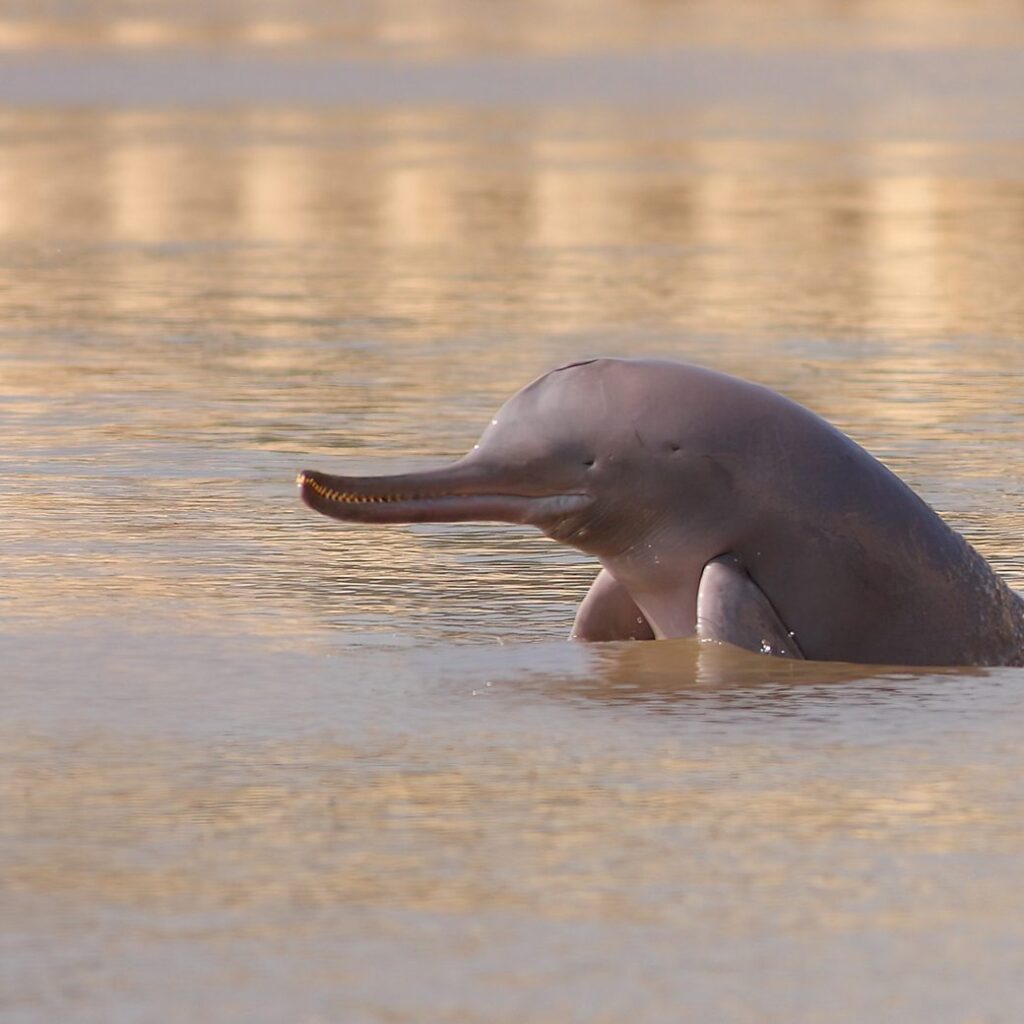
The Indus River dolphin is one of the country’s most unusual animals. Known locally as the bhulan, it is an endangered freshwater dolphin found mainly in the Indus River system. Unlike dolphins living in clear oceans, these dolphins live in extremely muddy river water. They are functionally blind and rely on echolocation to find their way around.
5. Makli is essentially a massive city of the dead
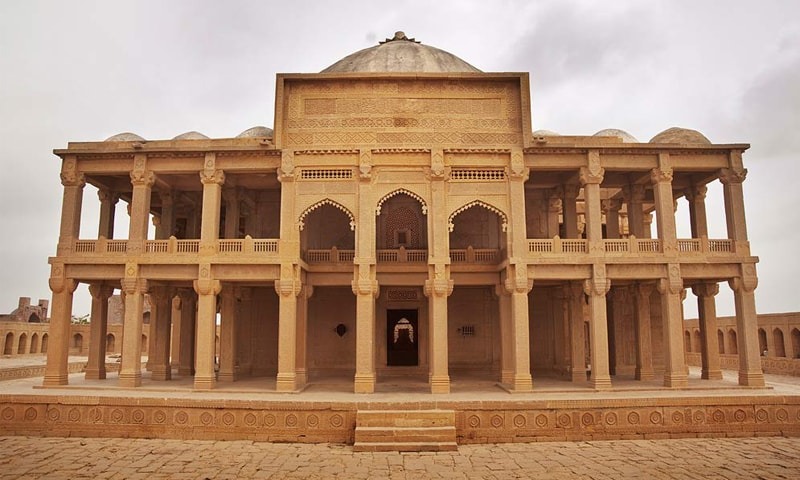
Near Thatta in Sindh is the Makli Necropolis, one of the world’s largest burial sites. The site covers around 10 square kilometres and contains hundreds of thousands of graves and tombs. According to UNESCO, the necropolis includes the final resting places of rulers, saints, scholars and other important figures. Its tombs also showcase a fascinating mixture of architectural influences, including Islamic, Persian, Mughal, Hindu and Gujarati traditions.
6. Pakistan has six UNESCO World Heritage Sites
Pakistan’s internationally recognised heritage isn’t limited to Mohenjo-daro. UNESCO currently lists six World Heritage Sites in the country: Moenjodaro, Taxila, the Buddhist Ruins of Takht-i-Bahi and Sahr-i-Bahlol, the Fort and Shalamar Gardens in Lahore, the Historical Monuments at Makli and Rohtas Fort. Together, they represent thousands of years of history and several different civilisations and architectural traditions.
7. Pakistan’s landscape changes dramatically from north to south
Pakistan’s geography is much more than mountains in the north and plains in the centre. The country stretches from some of the world’s highest mountains to the Arabian Sea. Its landscape includes the Karakoram, Himalaya and Hindu Kush ranges, the vast Indus plain and the Balochistan Plateau. That geographical diversity also means Pakistan has an equally varied range of climates and ecosystems.
8. Pakistan has extensive mangrove forests in the Indus Delta
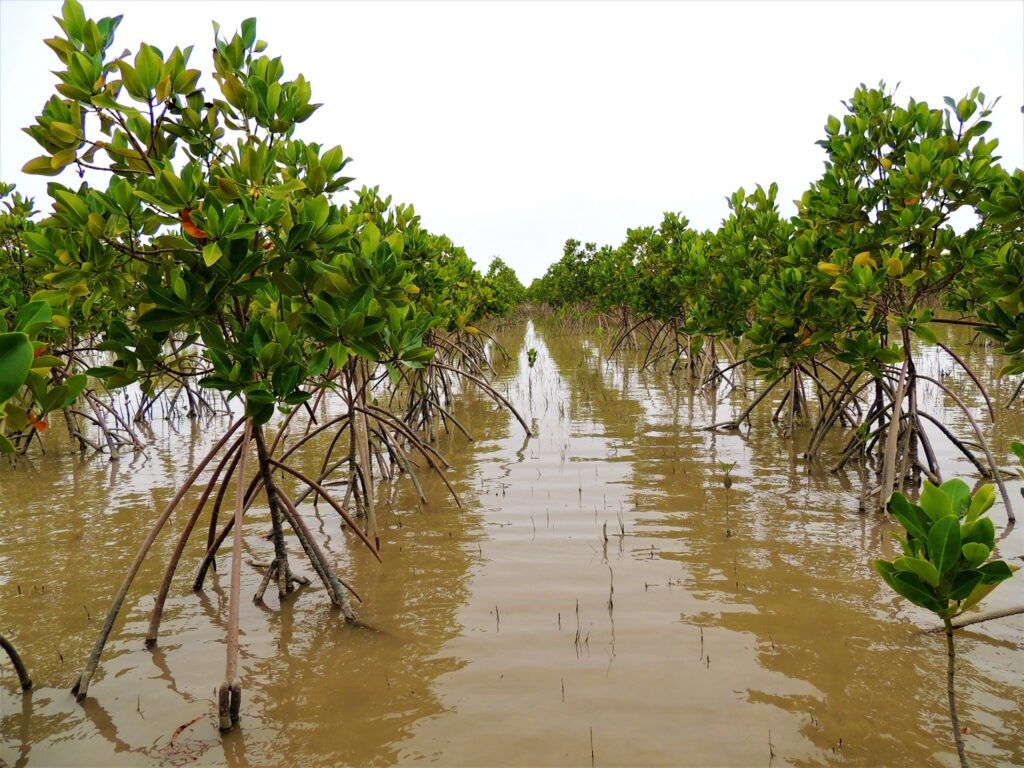
The coastline of Sindh is home to an important mangrove ecosystem concentrated around the Indus Delta. Mangroves are more than just coastal trees. They provide habitats for marine life and help protect shorelines from erosion and the effects of storms and flooding. Pakistan’s mangroves have also become an important part of the country’s environmental conservation efforts.
9. Taxila was an important centre of learning and culture
Taxila’s history stretches back long before the creation of Pakistan. Located in modern-day Punjab, the ancient city developed into an important centre of culture and learning and became closely associated with Gandharan civilisation and Buddhism. Its archaeological remains show how different cultures and influences interacted in the region over centuries. Today, Taxila is recognised by UNESCO as a World Heritage Site.
10. Pakistan’s history goes much further back than 1947
Perhaps the biggest fact that gets overlooked is that the history of the land that is now Pakistan did not begin with independence.
The region has been home to the Indus Valley Civilization, Gandharan Buddhist communities and later Hindu, Persian, Central Asian and Islamic cultural influences. Sites such as Mohenjo-daro, Taxila, Makli and Lahore’s historic monuments provide physical evidence of this layered history.
Pakistan, in other words, isn’t just a relatively young country. It sits on land that has witnessed thousands of years of human settlement, cultural exchange and civilisation.
From ancient drainage systems to endangered river dolphins and some of the world’s highest mountains, Pakistan has no shortage of stories that deserve more attention. Sometimes, learning something new about your own country can be just as fascinating as discovering somewhere completely unfamiliar.