
Pakistani Songs Many Fans First Heard in Indian Versions
In South Asia, music has always ignored borders. Pakistani tracks traveled through airwaves and film soundtracks, becoming part of everyday listening across India. For many, these songs felt familiar long before their original versions and histories came into focu
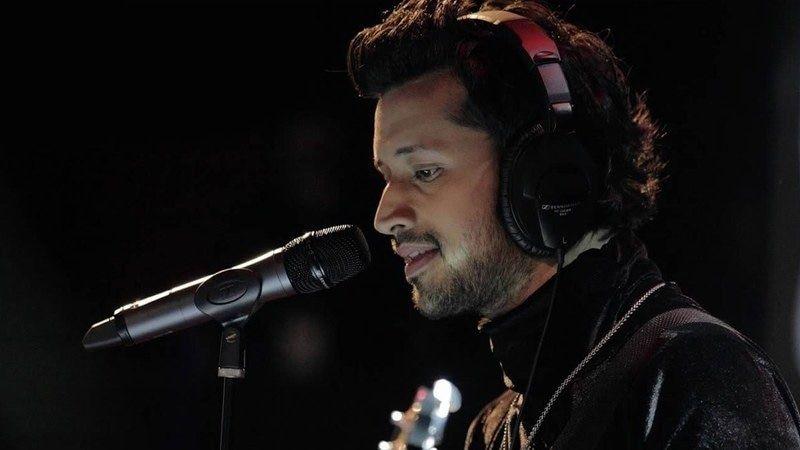
Music in South Asia travels more freely across borders than people. Long before streaming platforms, songs crossed over through radio, cassettes and television. Over time, several Pakistani tracks reached much wider audiences through Indian films and albums. For many listeners, these versions became familiar first, even though the songs already had lives and histories elsewhere.
For millennials and older generations, recognition often came instantly.
For Gen Z and Gen Alpha, discovery often happens later, through remakes, reels and film soundtracks.
1. Aadat
Original: Aadat by Jal (2002)
Indian version: Kalyug (2005), sung by Atif Aslam
Since both versions were sung by Atif Aslam, the difference lay not in the voice but in the reach. The song was already popular in Pakistan through Jal’s early releases, but its inclusion in Kalyug introduced Atif to a much larger Indian audience. What followed is well known. The song crossed borders, Atif’s career expanded rapidly, and the rest, quite literally, is history.
2. Woh Lamhe
Original: Jal Pari by Jal (2004)
Indian version: Zeher (2005), sung by KK
The melody remained intact while the lyrics changed. As the song gained popularity, fans later credited Jal for the original composition through online discussions.
3. Dil Mera Churaya Kyun
Original: Ankhon Mein by Vital Signs (1993)
Indian version: Akele Hum Akele Tum (1995), sung by Kumar Sanu
Vital Signs’ melody was adapted with new lyrics. Many listeners discovered its Pakistani origin years after the film’s release.
4. Chupke Chupke Raat Din
Original: Ghazal by Ghulam Ali (1982)
Indian version: Nikaah (1982), sung by Ghulam Ali
One of the earliest crossover cases, the same ghazal by the same Pakistani artist was featured directly in Indian cinema, reflecting a period of open musical exchange.
5. Lambi Judai
Original: Lambi Judai by Reshma (1974)
Indian version: Hero (1983), sung by Lata Mangeshkar
Originally a folk inspired song made famous by Pakistani singer Reshma, Lambi Judai was adapted for the Bollywood film Hero. Sung by Lata Mangeshkar and composed by Laxmikant Pyarelal, the Indian version became one of the film’s most enduring tracks. While many Indian listeners associated the song with the film, its roots clearly trace back to Reshma’s original recording.
6. Sayonee
Original: Junoon (1997)
Indian adaptation: Lucky No Time for Love (2005), sung by Adnan Sami
The Bollywood version introduced the melody to a new generation, while Junoon’s original remained a defining track in Pakistani rock history.
7. Mann Ki Lagan
Original: Rahat Fateh Ali Khan (2001)
Indian version: Paap (2003), sung by Rahat Fateh Ali Khan
The same artist carried the song across borders, preserving its identity while expanding its reach in Indian cinema.
8. Sanu Ik Pal Chain Na Aave
Original: Nusrat Fateh Ali Khan (1984)
Indian version: Raid (2018), sung by Rahat Fateh Ali Khan
The remake introduced the classic to younger audiences while openly acknowledging Nusrat Fateh Ali Khan’s original.
9. Disco Deewane
Original: Nazia Hassan (1981)
Indian version: Student of the Year (2012)
The remake introduced the song to Gen Z audiences, while older listeners immediately recognized its origins, sparking online conversations about its Pakistani roots.
10. Choli Ke Peeche Kya Hai
Original: Raat De Baara Wajjay from Pakistani film Zabardast (1989), music by M. Ashraf
Indian version: Choli Ke Peechhe Kya Hai from Bollywood film Khalnayak (1993), sung by Alka Yagnik and Ila Arun
Song documentation notes that the mukhda tune may have been inspired by the Pakistani film song Raat De Baara Wajjay.
None of this happened by chance. Over the years, Pakistani music has quietly reached people across borders and generations, guided by emotion rather than spectacle. Long before remakes, reels, or renewed attention, these songs were already deeply loved for their honesty and feeling.
Many of the voices behind these melodies are no longer with us, yet their work continues to feel present and alive. Artists like Nusrat Fateh Ali Khan, Reshma, Nazia Hassan, and others created music that feels complete in itself. When these songs resurface in new films or recordings, they do not feel dated or unfinished. They feel timeless, because the heart of the music was always strong.
What sets this music apart is its care. The poetry, the restraint, and the emotional clarity give each song space to breathe. Whether it comes from ghazal, folk, pop, or rock traditions, the sound carries warmth and sincerity. It connects without trying too hard and leaves an impression without forcing one.
For younger listeners discovering these songs today, tracing them back often brings a sense of respect. The originals feel thoughtful, beautifully crafted, and deeply rooted in feeling. They show that true quality does not fade with time.
Pakistani music has always stood tall on its own. Its legacy continues not because it was reused, but because it was cherished. That quiet confidence is what keeps it lasting, relevant, and deeply loved.