
Zahra Nadeem Redefines Beauty with Intricate Pakistani Nail Art
From Mughal mosques to bridal saris, Zahra Nadeem puts culture on your fingertips. Discover how this British-Pakistani artist is redefining beauty with ZHR Nails.
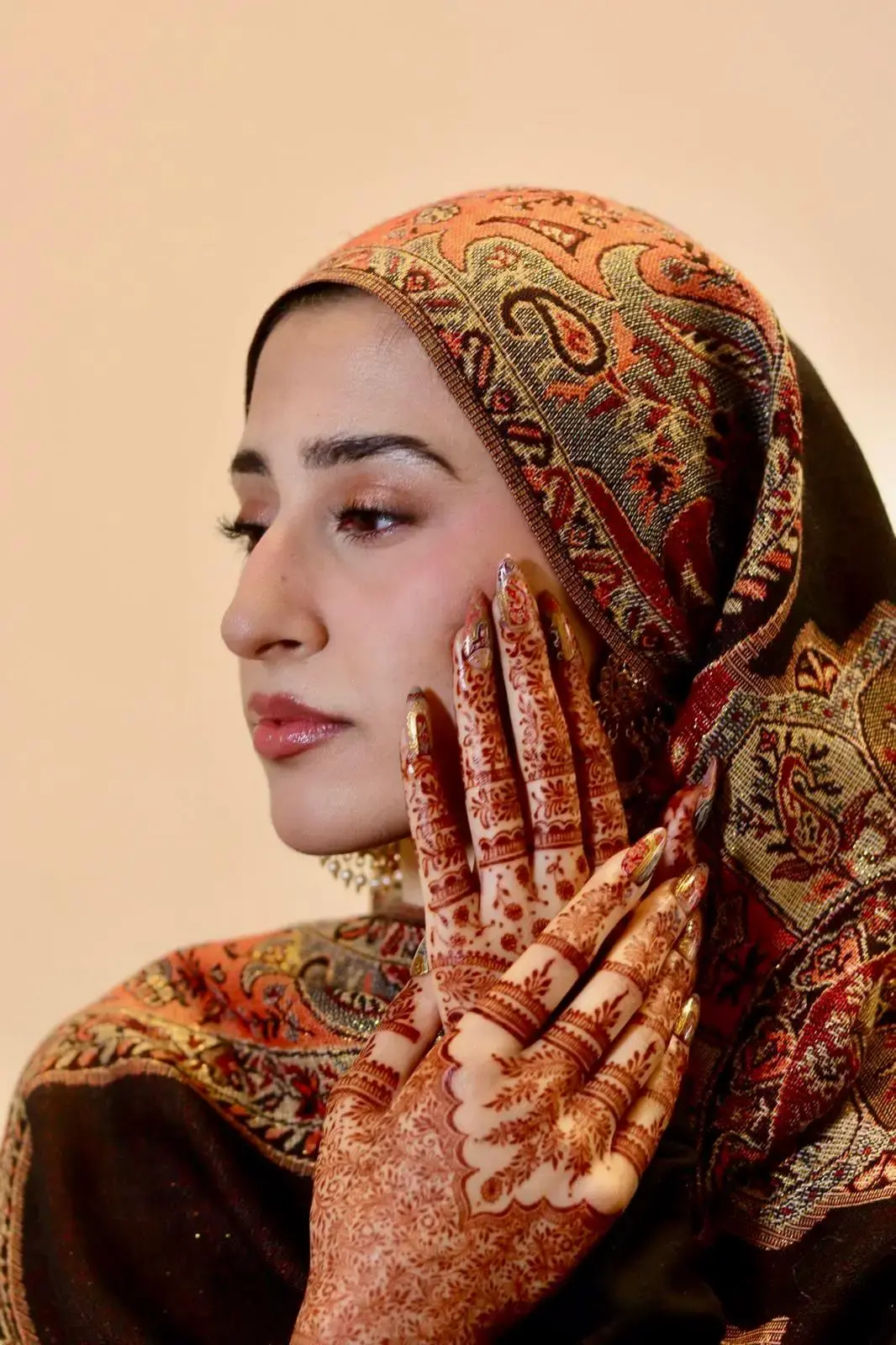
From Mughal mosques to bridal saris and even henna art, British-Pakistani nail artist Zahra Nadeem, founder of ZHR Nails, is redefining beauty one brushstroke at a time. Her hand-painted nail art tells deeply personal stories of South Asian heritage. While the canvas is small, the message is big. Zahra is proving that a manicure can be much more than just a beauty treatment.
Zahra operates out of Rochdale, England, but her inspiration comes from thousands of miles away. Her journey into the beauty world did not start in a typical salon. Instead, it began in her family’s fabric shop. Growing up, she was constantly surrounded by rolls of luxurious material. She saw bolts of silk, velvet and intricate embroidery on a daily basis. These early memories of color and texture shaped her artistic eye. However, when she looked at the nail art trends in the UK and the US, she noticed a gap. The industry was full of minimalist designs or Western pop culture references. There was very little representation of the South Asian designs she loved. Nadeem decided she wanted to fill that space.
She began to see fingernails as a place to preserve her culture. She calls this a way to connect with her roots. Her work is famous for being incredibly detailed. She rejects the use of stickers or decals. Every single line and dot is painted by hand. This requires a steady hand and a lot of patience. She uses brushes that are as fine as a single hair to get the look just right.
One of her main sources of inspiration is architecture. Zahra is fascinated by the old buildings of Pakistan and India. Her "Mughal Mirage" collection is a perfect example of this. She looks at famous sites like the Wazir Khan Mosque in Lahore and studies its design. This mosque is known for its pink sandstone and colorful tile work. Zahra takes those massive arches and geometric patterns and shrinks them down. She paints the symmetry of the building onto the curve of a nail. It allows her clients to carry a piece of history with them wherever they go.
Fashion is another huge influence on her work. South Asian weddings are known for being vibrant and elaborate. The brides often wear heavy lehengas or saris covered in gold thread and beads. Zahra creates custom nail sets that match these outfits perfectly. She studies the weave of the fabric and the stitching of the embroidery. Then she replicates it with gel polish. She uses chrome powders to mimic the shine of gold wire. She also draws inspiration from phulkari, a folk embroidery style from Punjab that features bright floral shapes. By doing this, she creates a seamless look between the bride’s dress and her hands.
She also incorporates henna, or mehndi, into her designs. Henna is traditionally applied to the skin for celebrations, but Zahra has found a way to translate those swirling patterns onto nails. It is a modern twist on a very old tradition.
The reaction to her work has been powerful. For many British-Pakistani women and others in the diaspora, ZHR Nails offers a sense of belonging. Living in Western countries often means blending in. Zahra’s nails allow women to stand out and celebrate where they come from. Clients have told her that looking at the designs makes them feel closer to home. It is a small reminder of their identity that they can see every time they look down at their hands.
Her work has even been shown in art exhibitions. This is a big step for the beauty industry. It shows that nail art is a legitimate form of expression. She is challenging the idea of what art is and who gets to be an artist.
As ZHR Nails continues to grow, Zahra keeps her focus on storytelling. She is not interested in just following the latest internet trends. She wants to create designs that have meaning. Whether it is the detailed grill of a window or the pattern of a grandmother’s shawl, she captures it all with precision. She has turned the salon experience into a history lesson. Her work proves that you don't need a large space to make a statement. You just need a brush, some polish and a story to tell.