Women of Steel: 6 Athletes Redefining Pakistan's Global Image
Pakistani sports are witnessing a historic shift. A new wave of female athletes is shattering glass ceilings and records alike. From K2 summits to Olympic qualifications, meet the six powerhouses—including Sana Mir and Samina Baig—who are rewriting the script and placing Pakistan firmly on the global map.
If you have been paying attention to the sports section lately, you might have noticed a massive shift in the energy. For decades, the image of Pakistani sports was dominated by men in green jerseys. While we love the classics, the narrative has expanded. The headlines are no longer a monopoly. A new wave of athletes has arrived and they are breaking records, climbing death zones and securing medals in categories where Pakistan previously had no presence.
These women are rewriting the script on what it means to be an athlete in Pakistan. They are mothers, engineers and students who decided that the glass ceiling was meant to be shattered. According to global sports rankings and official records, their achievements are not just personal wins but historic milestones for the country. Here is a look at the six powerhouses who are putting Pakistan on the global map.
Sana Mir
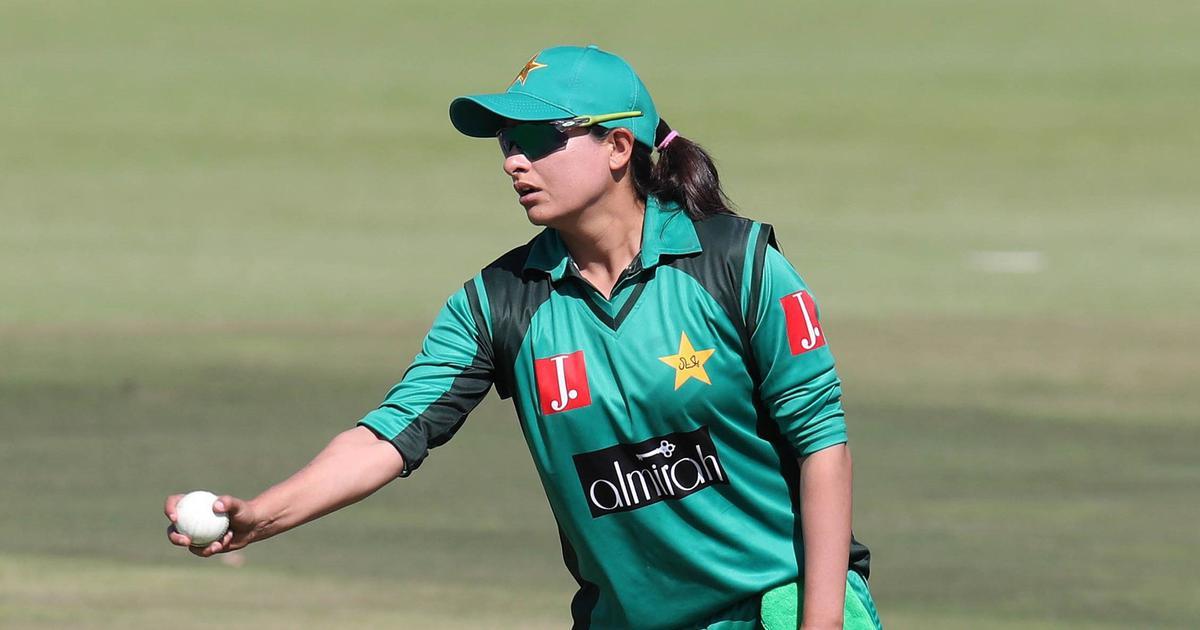
You cannot have a conversation about women’s cricket in Pakistan without starting with Sana Mir. She is the foundation upon which the modern team stands. According to ESPN Cricinfo, Sana Mir was the first Pakistani woman to top the ICC ODI bowling rankings in 2018. That achievement alone silenced critics who believed Pakistani women could not compete at the elite level.
During her illustrious career, she took 151 wickets in One Day Internationals, a statistic that places her among the legends of the game. But her impact goes beyond the numbers. She led Pakistan to two Gold medals at the Asian Games in 2010 and 2014. Her leadership style was calm yet fierce. She navigated the team through years where resources were scarce and recognition was low. By the time she retired, she had ensured that the women’s team was no longer a sideshow but a main event. Her induction into various conversations regarding the ICC Hall of Fame in the future feels inevitable given her contribution to the sport.
Naila Kiani
Naila Kiani has a resume that sounds like fiction. She is a banker, a competitive aerospace engineer and a mother of two daughters. Yet she spends her free time in the "Death Zone" above 8,000 meters where oxygen levels are insufficient to sustain human life.
According to the Alpine Club of Pakistan, Naila is the first Pakistani woman to summit 11 of the world’s 14 highest peaks. This includes the savage K2, the mighty Mount Everest and the treacherous Lhotse. What makes her journey statistically mind-blowing is the speed at which she has accomplished these feats. In 2023 alone, she summited multiple 8,000-meter peaks, often back-to-back. Her story resonates deeply because she began her professional climbing career after motherhood. She proves that starting a family does not mean retiring your dreams. It might just mean you have more people to cheer for you when you reach the top.
Samina Baig
Before Naila was setting records, Samina Baig was opening the door. Hailing from the remote Shimshal Valley in Gilgit-Baltistan, Samina turned the mountains of her childhood into a global stage. According to Guinness World Records, she became the first Pakistani woman to climb Mount Everest in 2013.
Her ambition did not stop at the roof of the world. Samina went on to complete the Seven Summits challenge, climbing the highest mountain on each of the seven continents. This is a feat that requires not just climbing skill but immense logistical and financial planning. In 2022, she added another feather to her cap by becoming the first Pakistani woman to summit K2, the second-highest and arguably most dangerous mountain on Earth. Her journey from a small village to global recognition serves as a blueprint for young girls in rural Pakistan who dream of seeing the world from above the clouds.
Bismah Maroof
Consistency is the hardest skill to master in sports, yet Bismah Maroof makes it look easy. As a left-handed batter, she has anchored the Pakistani innings more times than fans can count. According to the Pakistan Cricket Board records, Bismah is the only batter in the history of the women's team to score over 3,000 runs in ODIs and 2,500 runs in T20 Internationals.
These figures make her the undisputed leading run-scorer for the country. However, her legacy is also defined by her role as a working mother. The International Cricket Council highlighted her return to the field after maternity leave as a watershed moment for women's sports. Photos of her arriving at the World Cup with her baby daughter in her arms went viral and sparked global conversations about maternity support for athletes. She proved you do not have to choose between being a world-class captain and a present mother.
Kishmala Talat
While cricket and mountaineering often dominate the conversation, Kishmala Talat has quietly carved out a space in a sport that requires absolute silence and precision. According to the International Shooting Sport Federation, Kishmala secured a historic Bronze medal at the Asian Games 2022. This was the first time a Pakistani woman had won a medal in shooting at the continental level.
Her success continued as she became the first Pakistani woman to qualify directly for the Paris 2024 Olympics in shooting. This is a massive achievement considering the mental fortitude required for the 10m Air Pistol event. At a young age, she has displayed a temperament that rivals seasoned veterans. Her qualification breaks the stereotype that Pakistani athletes only excel in team sports. She is a lone warrior on the range and her target is always history.
Maria Toorpakai Wazir
The story of Maria Toorpakai Wazir is one of the most compelling narratives in the world of sports. Coming from South Waziristan, a region where women’s participation in sports was heavily restricted, she had to fight for her right to play. For the first 16 years of her life, she competed disguised as a boy to bypass cultural barriers.
According to the Professional Squash Association, Maria reached a world ranking of 41, establishing herself as Pakistan’s top female player. Her journey required her to leave her home and train in Canada under legendary coach Jonathon Power to reach her full potential. She did not just win matches on the squash court. She won a battle for personal freedom. Today, she uses her platform to advocate for sports education in tribal areas. She believes that if a girl is given a racket and a safe space, she can change her destiny.
The New Standard
These influential women have done more than just win medals or set records. They have fundamentally altered the way the world views Pakistani women. They have shown that the modern Pakistani woman is resilient, ambitious and capable of competing at the highest tier of international sports. From the cricket stadiums in Australia to the shooting ranges in France and the peaks of the Himalayas, they are ensuring that the green flag flies high.