10 Underrated Pakistani Actresses Who Deserve Better
Pakistan’s entertainment industry often overlooks talented performers in favor of a few big names. This article highlights ten gifted actresses, including Arjumand Rahim and Sunita Marshall, who consistently deliver powerful performances despite being relegated to supporting roles. It argues that true talent deserves better recognition than it currently receives.
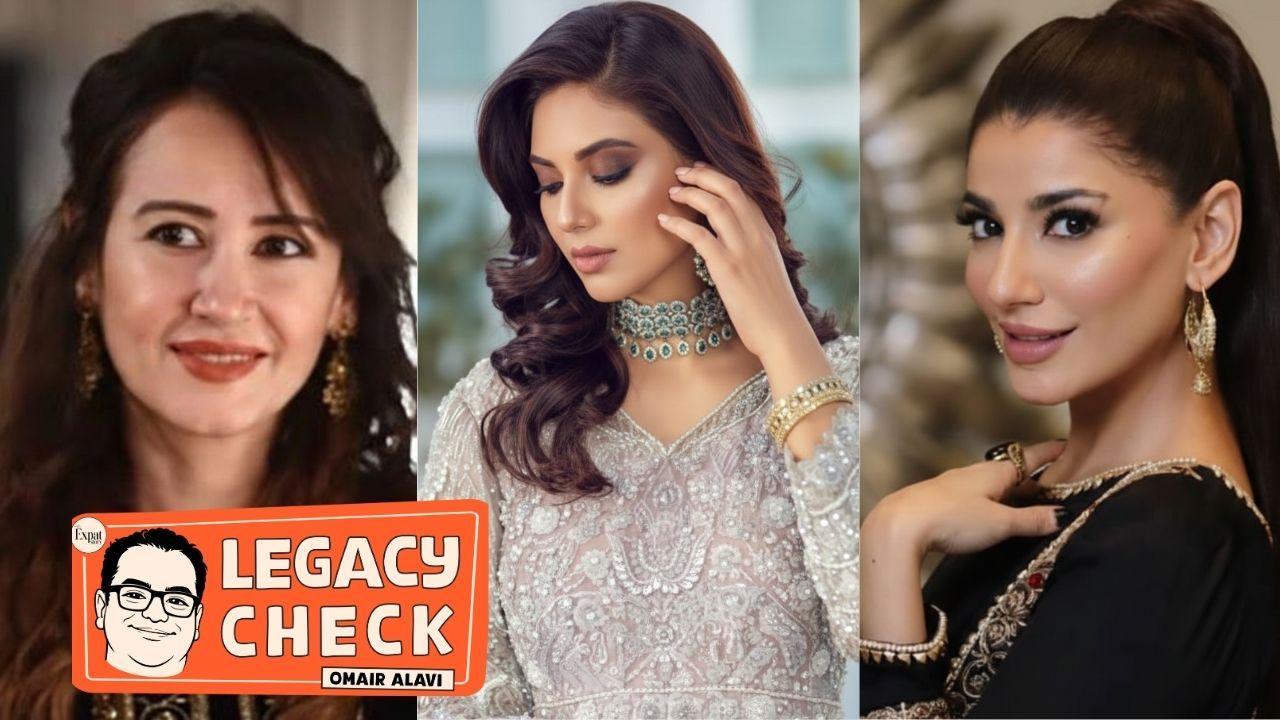
Pakistan’s entertainment industry has never lacked talent. Every few years, an actress delivers a standout performance and proves her mettle. What the industry often lacks, however, is a fair and consistent system of recognition. As a result, many gifted performers fade from the spotlight or are relegated to side roles long before their potential is fully acknowledged.
In an industry where only a handful of actresses dominate headlines, awards, and prime-time slots, many others quietly deliver powerful, memorable performances—often with limited screen time, as supporting characters, and without the fanfare they deserve. They may not always headline projects, but they consistently elevate the TV serials or films they are part of.
Thankfully, in the age of social media and the widespread availability of Pakistani dramas on YouTube, strong performances are only a click away from audiences and casting directors alike. Here are ten actresses—some seasoned, some relatively new—who continue to make their presence felt despite limited recognition.
Arjumand Rahim
When Arjumand Rahim made her debut in the late 1990s, she was one of many pretty faces on television. Over time, however, she sharpened her craft, even studying acting formally abroad. Today, she brings authority, intelligence, and quiet power to every role she inhabits. Ironically, she is often cast as the mother of actors in the same age bracket as her.
Despite the industry’s reluctance to write substantial parts for senior actresses, Arjumand continues to choose roles that matter. She understands her characters at a deeper level and makes a conscious effort to stand apart from her co-stars. Whether it is
Suno Chanda 2 (2019), Phaans (2021), Bharam (2024), or Sher and Meri Zindagi Hai Tu (both 2025), her performances are measured, purposeful, and rooted in realism.
Whether portraying a composed matriarch, a modern-day mother, or a woman navigating emotional complexity, she commands attention without demanding it. Her impeccable pronunciation and precise voice modulation only add to her impact. Why she is not offered author-backed lead roles remains a mystery—one only serious producers can answer.
Sunita Marshall
Supermodel-turned-actress Sunita Marshall has been around for over two decades and has only grown stronger with time. Over the years, she transformed herself into a performer defined by elegance, restraint, and consistency. After projects like Qaid-e-Tanhai, Mera Saeein, and Baby Baji, she is now regarded as an actor who invariably delivers more than expected.
Her commanding screen presence is matched by her controlled emotional delivery, which remains her greatest strength. Whether playing a dignified mother, a conflicted woman, or a morally complex character, her performances feel lived-in rather than performed. Most recently, she impressed audiences in Sher, where she played a layered character central to the narrative’s conflict—and delivered with remarkable finesse.
Her selective appearances may explain why she is not constantly in the spotlight, but every role reinforces her stature as one of television’s most dependable performers.
Navin Waqar
Navin Waqar began her career as a VJ before evolving into one of the most sought-after actors in the industry, thanks to her performance in Humsafar. While the serial catapulted Fawad Khan and Mahira Khan to superstardom, Navin was quietly pushed into less significant roles, despite earning a reputation for consistency and strength.
She returned to the limelight with the experimental film Carma and the Ramzan serial Paristan (both 2022), reminding audiences of her range. More recently, her powerful performance as Manisha in Case No. 9 stunned viewers and reinforced the idea that Pakistani women on screen can embody ambition, courage, and resilience.
This is the kind of work that should firmly place her on every director’s radar—not as someone being “given a chance,” but as an actor who elevates the status of any project she joins. Her talent deserves far more acknowledgment than it currently receives.
Amna Ilyas
Like Sunita Marshall, Amna Ilyas is another dusky beauty who knows how to make audiences fall in love with her characters. Known for choosing unconventional roles, she brings a rawness and unpredictability that sets her apart from her contemporaries, whether on television or in film. While her adaptability makes her a natural fit for TV, her confidence—especially as a dancer—gives her an edge in cinema.
Currently, she is winning hearts with her nuanced performance in Aik Aur Pakeezah, further cementing her reputation as a dependable actor. She was the backbone of critically acclaimed films such as Ready Steady No (2019), Baaji (2019), and Gunjal (2023). On television, her work in Bandish 2 (2023) and Humraaz (2025) signaled her willingness to embrace discomfort in pursuit of more truthful storytelling.
Despite her range and strong screen presence, she remains underutilized in both television and film—a loss somewhat compensated by theatre audiences, who loved her in The River’s Daughter. Unfortunately, in an era where influencers are often cast ahead of actors who can actually shape a narrative, Amna Ilyas continues to miss out.
Kinza Razzak
Another actor who deserves to be cast in lead roles is Kinza Razzak. She not only looks compelling on screen but also can embody vastly different characters with ease. Whether as a cricketer in 22 Qadam, the protagonist’s dream girl in Ek Aur Jhooti Love Story, or a suffering wife in Log Kya Kahenge, she consistently stands out—despite rarely being the central lead.
Often cast as strong or affluent women, she understands the power of presence and timing, something sorely missing in many current performances. If she reminds you of Indian actor Zoya Afroz from the Netflix series Taskaree, you are not mistaken—the resemblance is striking. The difference is that Bollywood recognized its actors’ potential, while we continue to undervalue Kinza’s contribution.
Rabya Kulsoom Rehan
She may be widely recognized as one half of the influencer duo Ron and Cocom, but Rabya Kulsoom Rehan is far more than a social media personality. She is one of the most promising actors working today, consistently delivering strong performances across media. Whether in dramas like Mujhe Pyaar Hua Tha, Mannat Murad, and Bharam, films like Kukree, or web series like Ek Jhooti Love Story, she approaches every role fearlessly.
She has a rare ability to humanize morally ambiguous women, preventing them from turning into caricatures. Despite having industry connections—her mother, Parveen Akbar, and brother, Faizan Shaikh, are both well-known actors—she has never relied on them. Instead, she lets her work speak for itself.
Even after repeatedly outshining lead performances, she remains under-marketed, proving once again that bold acting choices do not always translate into mainstream visibility.
Srha Asghar
Like her frequent collaborator Rabya Kulsoom Rehan, Srha Asghar is often misread despite possessing all the qualities of a leading lady. She is strikingly attractive, deeply committed to her characters, and consistently delivers strong performances, especially alongside seasoned actors. Unfortunately, she is often dismissed as being “too young” or “too good-looking”—labels that say more about industry bias than her abilities.
She was memorable as Bilal Abbas’s younger, but bossy sister in Pyar Ke Sadqay and Ek Aur Jhooti Love Story, instantly reminding audiences of their own siblings. She was equally compelling as a harassed woman in Aakhir Kab Tak and remains the saving grace of the ongoing Neeli Kothi.
Despite frequently outperforming actors cast primarily for their social media following, she remains confined to supporting roles. Her confidence on screen is an asset, not a flaw, and with the right lead roles, she could make a lasting impact.
Hibba Aziz
Currently receiving attention for her title role in Iblees, Hibba Aziz represents a quieter, more introspective kind of talent. Her strength lies in emotional sincerity and relatability, which allows her to portray everyday women with remarkable ease. She can play a leading lady or an antagonist with equal conviction because she invites audiences to see themselves in her characters.
In Badshah Begum, she delivered a memorable performance as Gulnaar, the confidant of the title character, while in Qalandar, she convincingly portrayed a spoiled brat unable to accept rejection. In an industry that often rewards exaggerated emotions and tear-heavy performances, her subtlety is frequently overlooked. She deserves far more opportunities to prove her range than she is currently given.
Noreen Gulwani
Noreen Gulwani did not simply enter the entertainment industry—she trained for it. A graduate of NAPA, she steadily worked her way through theatre, television, and film. Although she is one of the younger names on this list, she has shown remarkable growth in recent years, even if she is mostly cast in second-lead roles.
She brings emotional depth and maturity to youthful characters, yet few directors seem eager to fully capitalize on her talent at this stage of her career. From playing Juliet in a NAPA production to holding her own alongside Yumna Zaidi and Javed Sheikh in Nayab, and later sharing the screen with Zahid Ahmed, Zara Noor Abbas, and Rubina Ashraf in Dil Dhoondta Hai Phir Wohi, Noreen has proven her ability time and again.
Still early in her journey, she deserves recognition beyond the predictable “promising actress” label.
Yusra Irfan
And then there is Yusra Irfan—an effortless scene-stealer who continues to be cast in secondary roles as a sister, friend, or even a maid. Her presence instantly elevates a scene. She looks refreshingly different, brings natural charm, and delivers an easy realism that audiences connect with.
She was a major reason Yasir Hussain’s theatre play Monkey Business succeeded, playing a multifaceted character—a wannabe painter who distrusted her husband and loved being the center of attention. Despite being part of ensemble casts in Humraaz, Shiddat, and Sanwal Yaar Piya, she rarely receives the recognition typically reserved for lead actors.
These actresses matter because they remind us that good television is not built on star power alone. It is built on performances that feel honest, grounded, and emotionally true. As audiences evolve, they are increasingly aware that without these women—and many others like them—our television screens would lose much of their depth and credibility. There is hope that, eventually, recognition will follow talent rather than trends.